

Low Doc Commercial Finance for Self-Employed Business Owners.
Standard income documents don't always reflect how self-employed businesses earn. We compare low doc commercial lenders who assess applications differently.
Alternative income assessment. Commercial vehicle and equipment finance.
Low Doc vs Standard Commercial Finance
Standard vs low-doc finance
Minimal paperwork
Usually just your driver's licence and an active ABN. Some lenders only ask for banking on top if the ABN is under 6 months old.
Self-employed specific lenders
We identify lenders who have genuinely accommodating policies for non-standard income assessment.
Commercial structures still available
Chattel mortgage, finance lease and hire purchase are all accessible via low doc pathways depending on the lender.
Pre-approval can move quickly
With a shorter document set to assess, straightforward low doc applications can be pre-approved quickly, sometimes the same day.

The process
How Low Doc Commercial Finance Works
Tell us about your business
How long you've had your ABN, what your business does, and what documents you can provide.
We identify suitable lenders
We match your profile against commercial lenders who accept low doc applications.
Compare your options
We present structures and rates in straightforward terms before you commit.
Apply and settle
We manage the application and settlement process on your behalf.
| Document | What it tells the lender | When it is asked for |
|---|---|---|
| Driver's licence (front and back) | Confirms your identity | Required in almost all cases. For most applicants, this is the only document needed |
| Active ABN | That the business is genuinely trading, or has continuity in the industry | Required. Some lenders will finance a brand new ABN where you've moved straight from PAYG employment in the same trade, for example an electrician going out on their own |
| Recent bank statements (for new ABNs) | Extra confidence where trading history is limited | Requested by some lenders when the ABN has been registered for less than 6 months |
Low-doc commercial finance, explained plainly.
Step 1 of 5
Understand low-doc commercial finance
Low-doc commercial finance assesses a business on its history rather than on a full set of lodged financials. That is what makes it work when returns are behind.
Usually the driver's licence, basic information on the applicant and an active ABN carry the application. Some lenders ask for banking on top where the ABN has been registered for under 6 months.
The asset is still held as security in the normal way, with the lender's interest recorded on the PPSR for terms of one to seven years.
Why choose low-doc commercial finance
Trading businesses are frequently ahead of their paperwork, and a low-doc assessment means an asset purchase does not have to wait for the accountant.
It suits work that arrives unevenly, where a single year of figures gives a misleading picture of what the business actually does.
A newer ABN is not an automatic barrier, particularly where the operator was doing the same work as an employee beforehand.
Deciding if low-doc commercial finance fits
If your financials are current and complete, a full-doc application reaches more of the panel and is the better starting point.
Low-doc earns its place when returns are outstanding, when the business has grown faster than its reporting, or when the way the business is structured makes the figures hard to read.
The asset still has to suit a lender that writes low-doc, so the equipment or vehicle and the documentation are decided together.
How to apply for low-doc commercial finance
Have your ABN, how long you have traded and the details of the asset ready before you start. Those three decide which lenders are realistic.
Keep a few months of banking accessible if the ABN is newer, so a request does not stall an application that is otherwise quick.
Avoid approaching lenders individually. Each attempt marks the credit file, where one well-matched application achieves the same result.
Tips for low-doc commercial finance
Get your ABN details current before applying. Out-of-date registration details are a common and avoidable cause of delay.
Be specific about what the asset will do in the business, because that is what a lender is really assessing on a low-doc file.
Ask your accountant how the purchase will be treated even though the application itself does not need the financials.
Low-doc commercial finance at a glance
- The assessment runs on the ABN rather than a full set of lodged financials
- A licence and active ABN carry most files, with banking sometimes asked under 6 months
- The asset is still held as security with a PPSR registration
- A newer ABN is considered where the work follows on from previous employment
- The panel of lenders is compared from one enquiry
Commercial Finance That Fits Self-Employed Business Life
If you're a sole trader, contractor or small business owner, your income may not fit the standard template. Low doc commercial options are designed for exactly that.
Get my quoteA Panel of Lenders
We compare commercial vehicle and fleet lenders across our full panel to find the right structure for your business.
Same Day Pre-Approval Possible
Know your borrowing power before you commit to a purchase or tender a fleet order.
All Vehicle Categories
From light commercial utes and vans to heavy trucks and semi-trailers, we finance the full commercial range.
Fleet Finance Available
Financing multiple vehicles for your business? We arrange fleet structures that scale with your operation.
Low Doc Options
Self-employed and small business owners with non-standard income documents are catered for.
Rate Comparisons Upfront
We present rates and structures side by side, jargon-free, before you commit to anything.
Commercial Finance Repayment Calculator
Estimate your repayments. Adjust the sliders to match your situation.
Monthly repayment
$1,437
per month
Weekly
$332
Total repayment
$68,965
Estimates only. Your actual rate depends on your profile and lender. Get a real comparison.
Get my quoteMore Commercial Finance Options
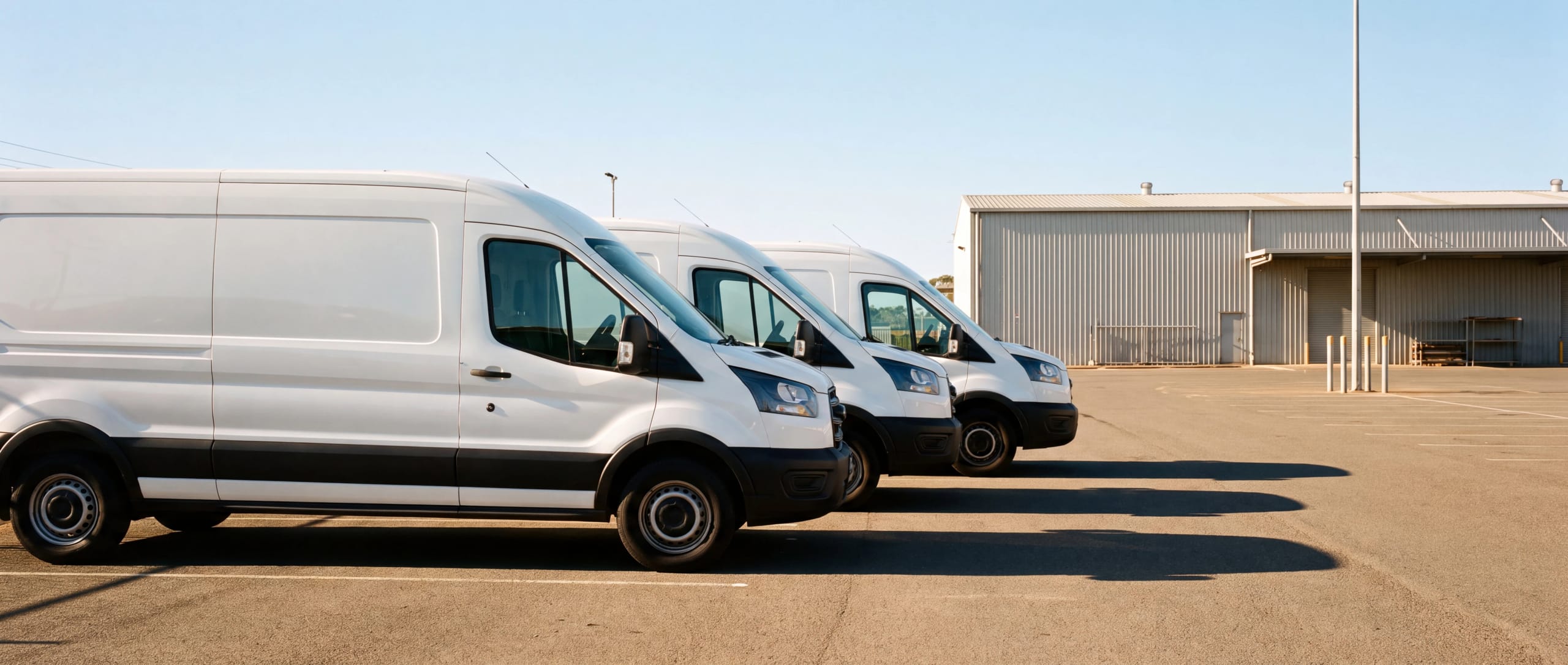

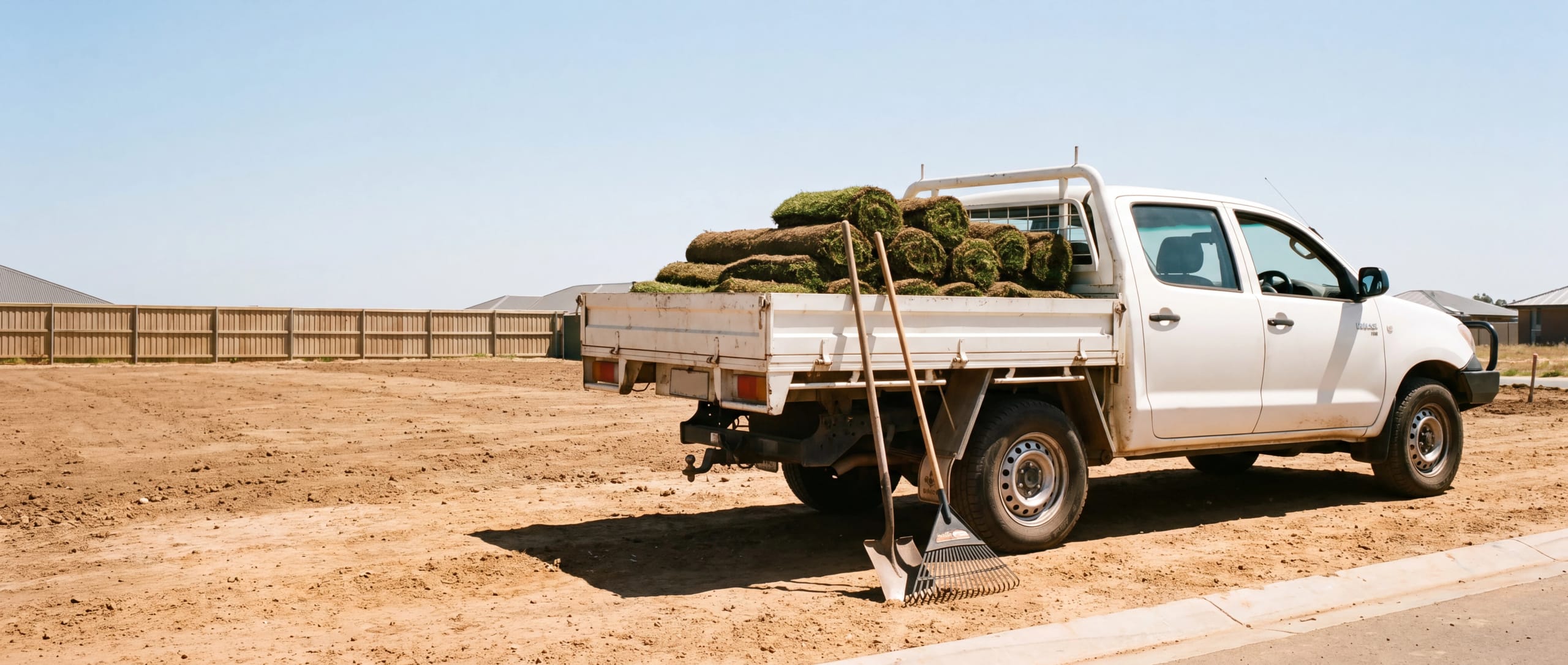
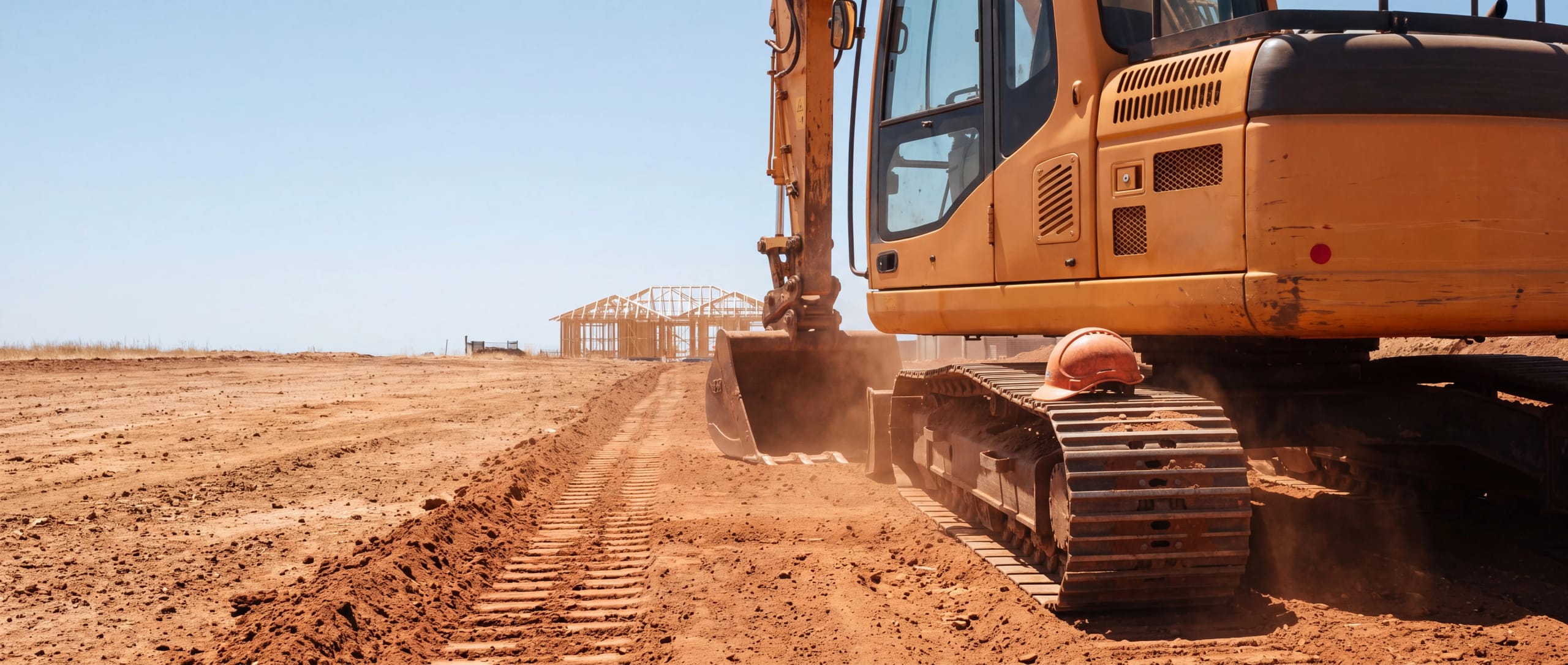
Choosing the Right
Structure.
There are several ways to finance commercial assets, and the right one depends on how the business is set up and how the asset is used. Your broker matches the structure to the business, and you confirm the treatment with your accountant.
Commercial Finance Guides
Written by a licensed broker for Australian businesses.
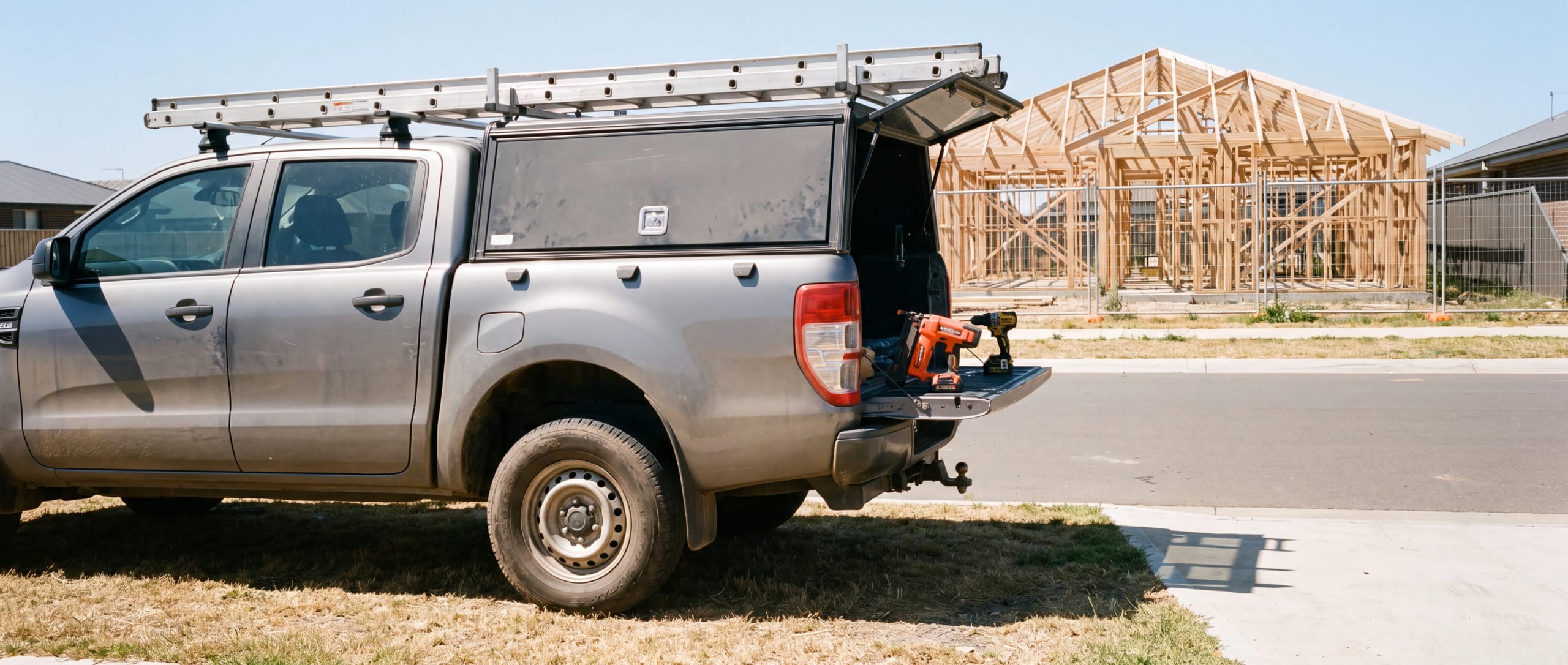 4 guidesCommercial financeUtes, trucks and work vehicles for ABN holders, including low-doc options.Explore commercial finance
 Chattel Mortgage Explained: The Complete GuideThe chattel mortgage is the workhorse of Australian business vehicle finance. How it works, who it suits, how balloons fit.
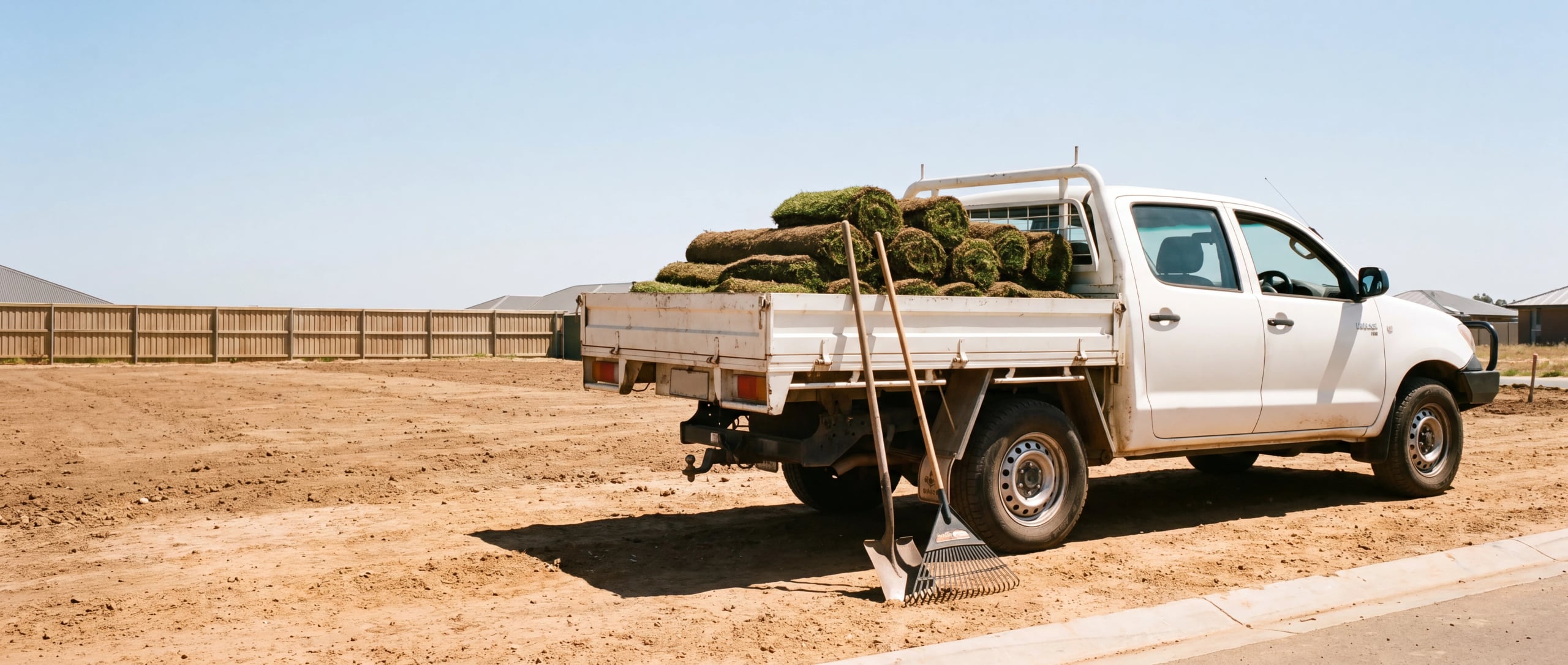 Ute Finance for Tradies: The Complete GuideYour ute is a tool of trade, and financing it right matters. Structures, fitouts, self-employed income, new versus used.
 Truck Finance 101: Owner-Drivers and FleetsHow truck finance works in Australia, from a first prime mover to a growing fleet, covering what lenders assess, structures and terms, and trailers.
 Low-Doc Commercial Finance: What You Need to QualifyLow-doc commercial finance funds business assets on alternative income evidence. What lenders accept, how ABN age and credit feed the decision.Browse the full guide library
Who we help
Who Uses Low Doc Commercial Finance?
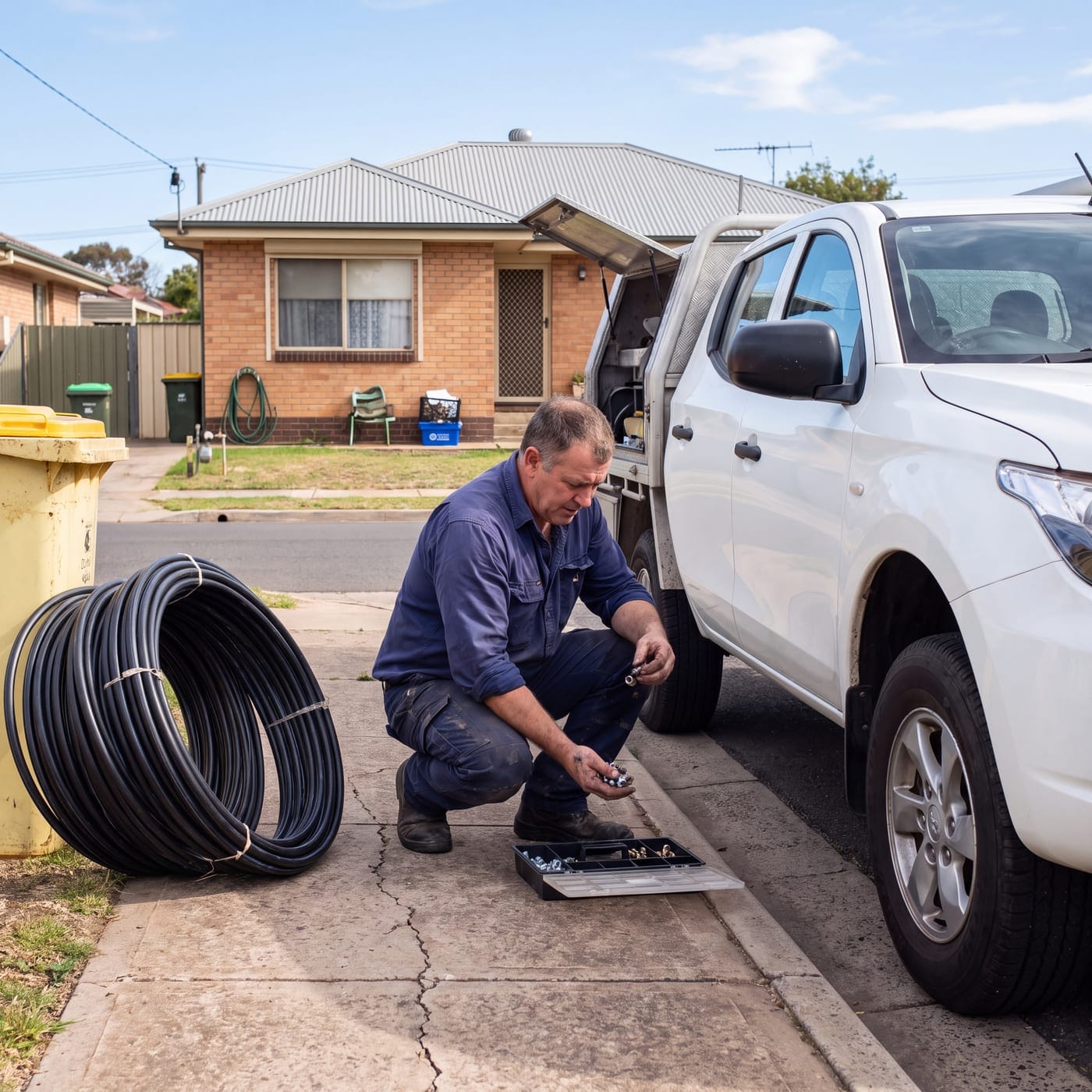
Sole Trader Tradespeople
Earning well but without standard payslips. Low doc opens up commercial vehicle finance.
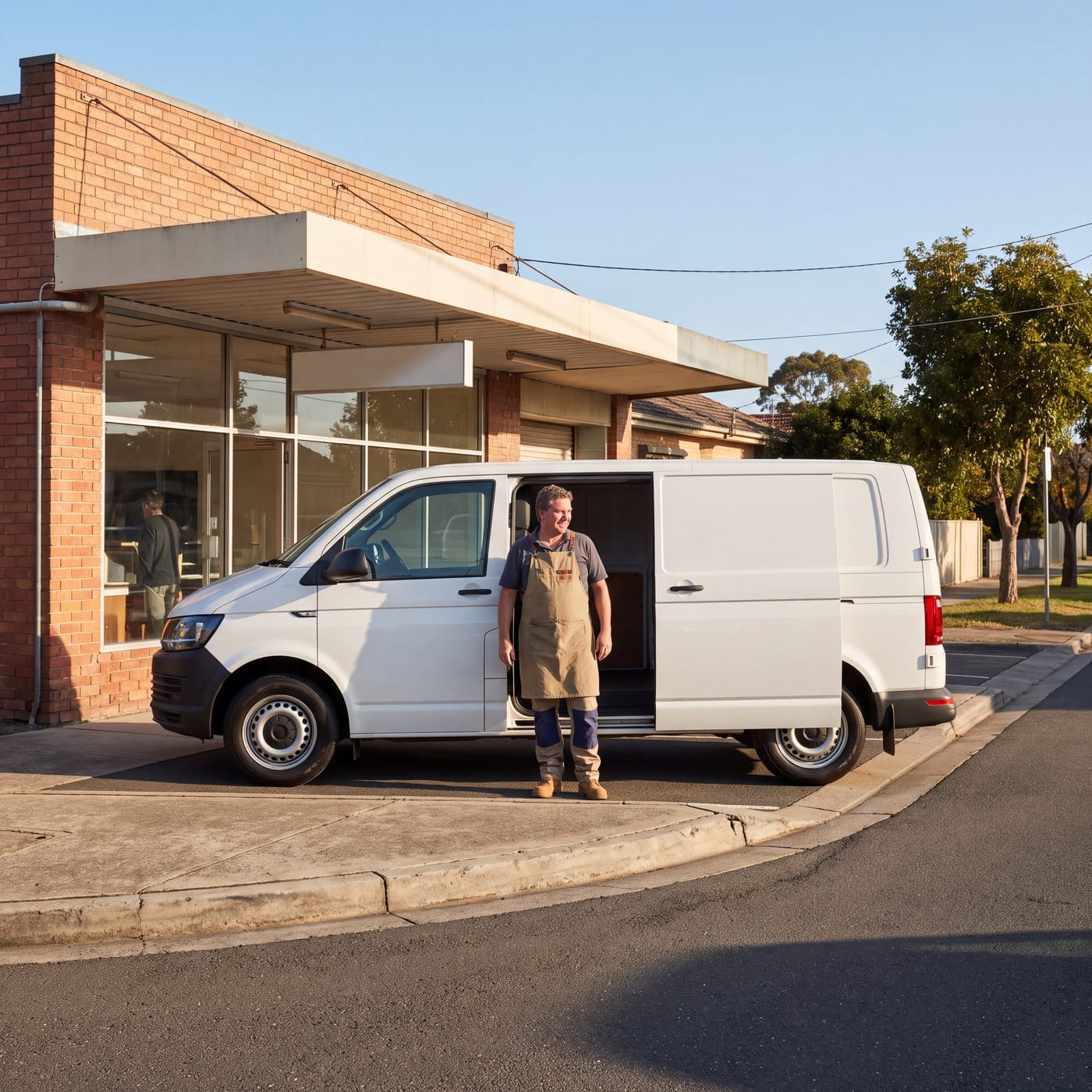
Small Business Owners
Business income that fluctuates across the year but doesn't fit standard lender templates.
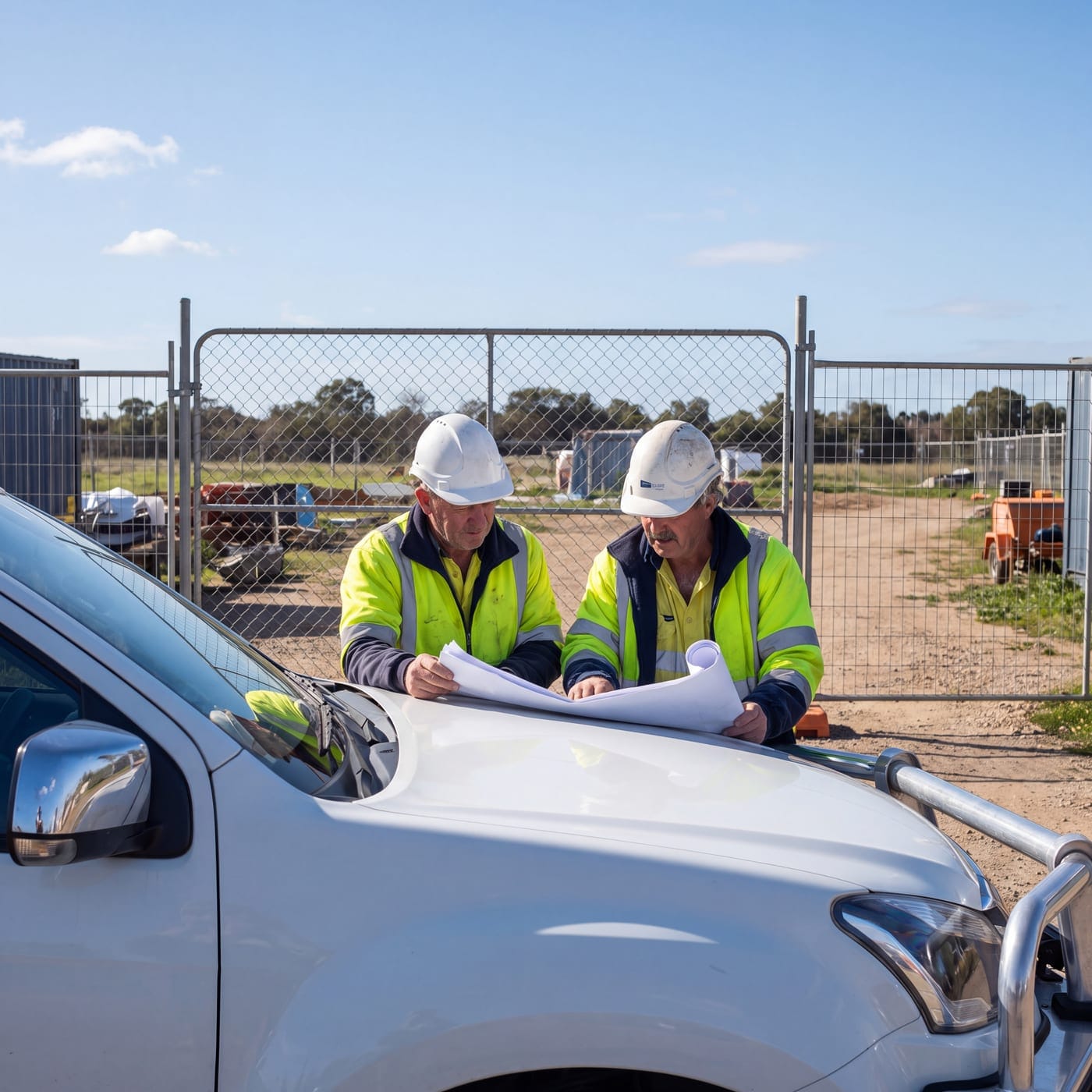
Contractors
Project-based income that makes annual financial statements hard to assess simply.
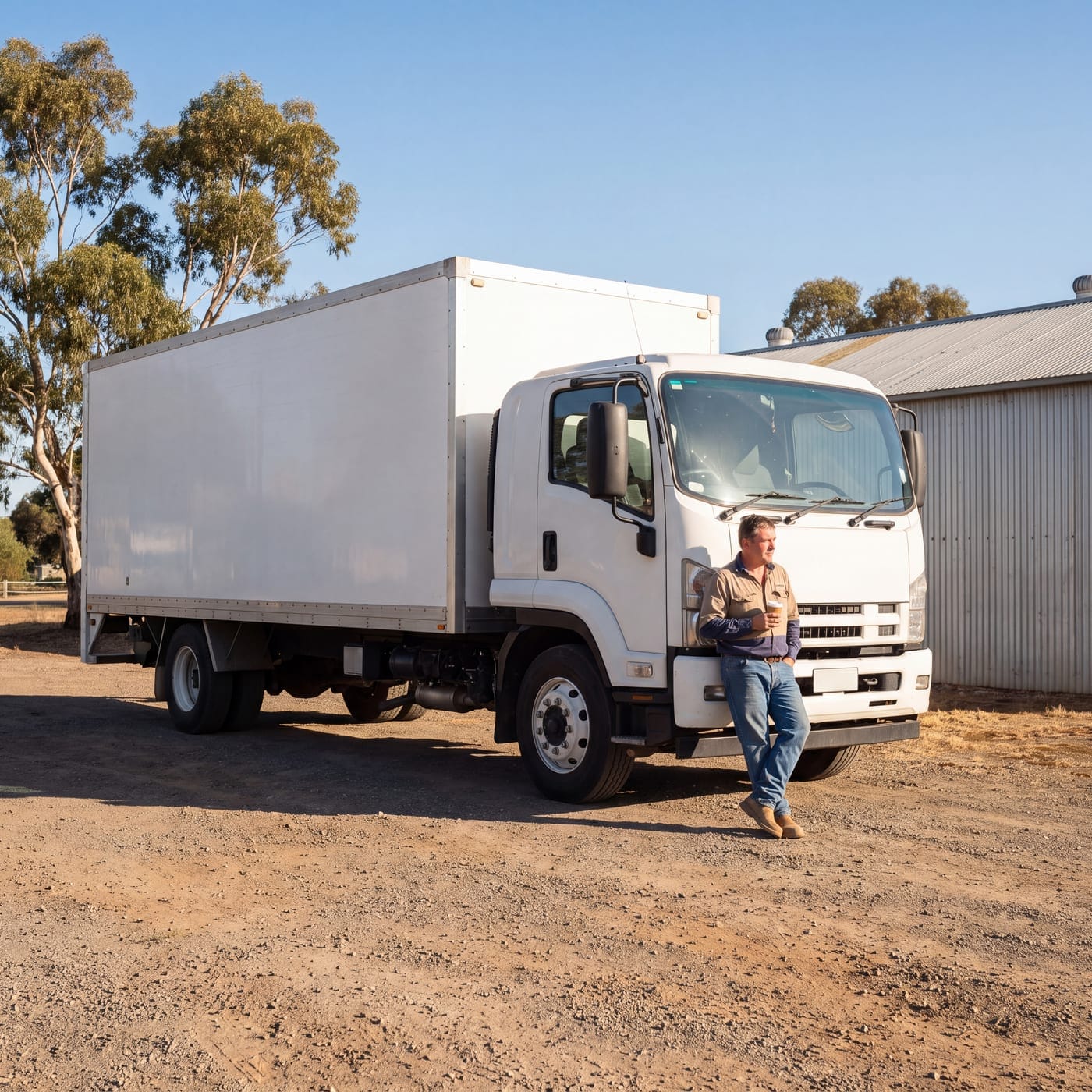
Owner-Operators
Transport owner-operators with strong revenue but complex income structures.

Property-Rich Buyers
Significant assets but income that doesn't meet standard assessment criteria.
Australian registered business
ABN registered (brand new to established, lender-dependent)
Self-employed, contractor or business owner
Driver's licence, both sides, with banking only needed for ABNs under 6 months old
Vehicle to be used for genuine business purposes