
Commercial Finance
Ute Finance for Tradies: The Complete Guide
By Joseph Nowland, Director and Senior Finance Broker · 18 July 2026 · 4 min read
Last reviewed 26 July 2026
How does ute finance work for tradies?
A work ute bought predominantly for business use is financed commercially, most often under a chattel mortgage, meaning the business borrows, owns the ute from settlement, and repays over an agreed term with the ute as security. That opens the commercial lending market, with structures shaped for business cashflow rather than consumer rules.
The ute finance market is large because the asset is a lender favourite. Utes hold their value, sell quickly secondhand and are core tools of trade. Sole traders, partnerships and companies all qualify, and the paperwork scales with the size of the business rather than blocking the small end of it.
Can you finance the tray, toolboxes and fitout with the ute?
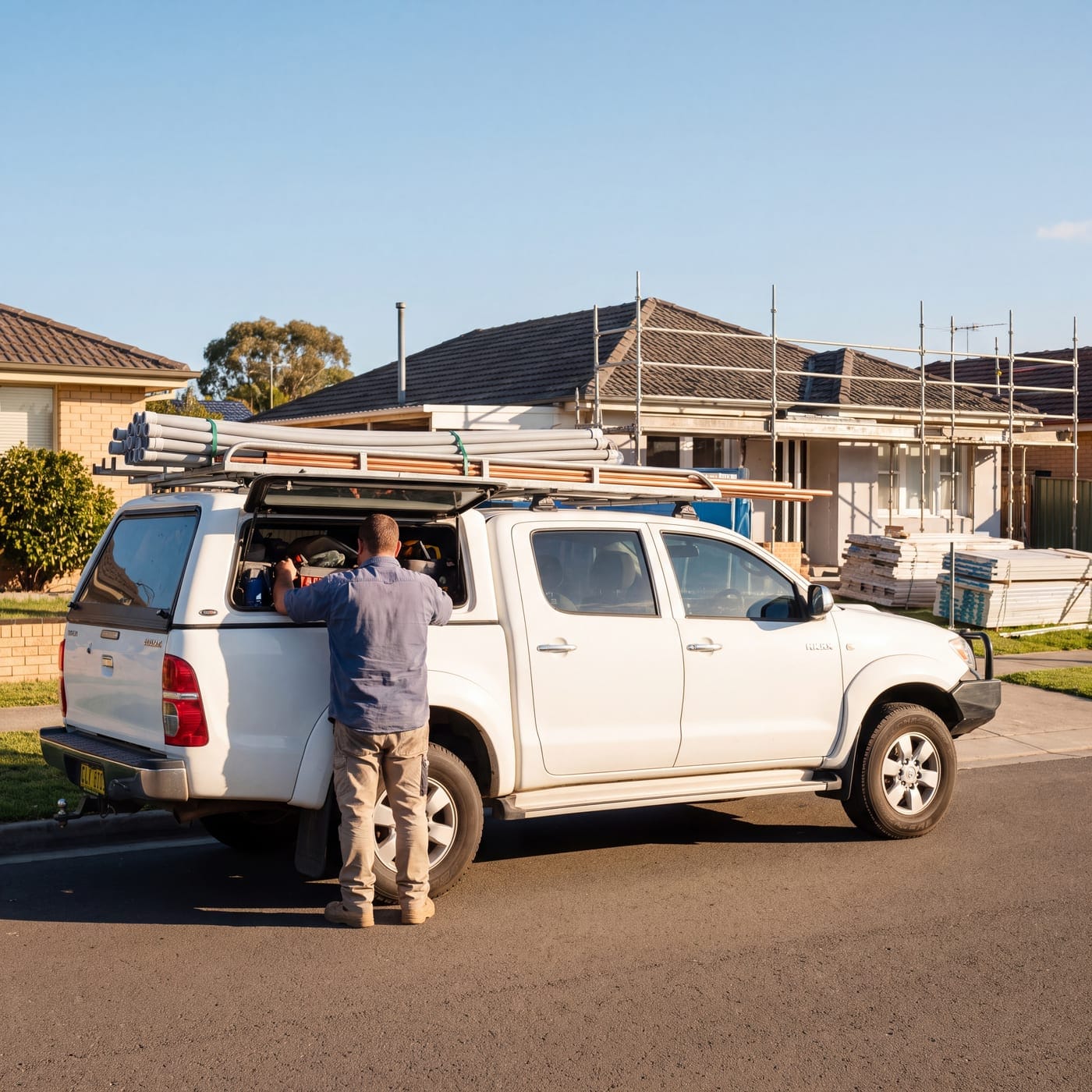
Usually, yes, and it is worth planning deliberately. Trays, canopies, racks, toolboxes, shelving, tow kits and lighting can commonly be included in the financed amount when they are part of the purchase, so the ute arrives ready to earn rather than half-built. Dealers and fitout shops can invoice the package together, which keeps the lender's paperwork clean.
The practical rule is to package the fitout that lasts as long as the loan. A steel tray and a canopy outlive most terms. Consumables do not, and stretching them across a multi-year loan means paying for them long after they are used up. Get the package quoted as one itemised invoice, then let your broker confirm which lenders fund the whole build.
What if you are self-employed with imperfect paperwork?
Most tradies are exactly this, and commercial lending is built for it. If your tax returns are current and consistent, the full-doc path keeps the widest panel open. Where returns run behind the financial year, income has jumped since the last lodgement, or deductions have compressed the taxable figure, low-doc commercial finance sidesteps the financials entirely and assesses the business on its ABN, with a driver's licence as the only document most tradies need to produce.
The qualifying details differ by lender, ABN age, GST registration and credit history all feed the mix, and our guide on what you need to qualify for low-doc walks through them. The point is that a busy tradie with real income and unglamorous paperwork is a normal applicant in this market, not an edge case.
Ready to compare your options?
A broker searches the panel so you see what they can offer for your profile. Takes two minutes.
Get my quoteShould you finance a new or used ute?
New utes fit nearly every lender's policy, carry warranty and arrive ready for a long loan term. Used utes can be sharp value, but lender age caps apply at the end of the term, and work utes live hard lives, so condition and service history matter to the price you should pay as much as to the finance.
The finance question is the same either way. Would selling the ute at any point roughly clear the debt? A modest deposit or trade-in keeps the answer yes through the early depreciation years on a new ute, and a shorter term does the same job on an older one. Balloons can lower the regular repayment on either, provided they are sized against what the ute will realistically be worth when the balloon lands.
What structure suits a tradie's ute?
For most tradies the chattel mortgage is the natural fit. You own the ute, you can modify it freely, and the structure carries balloons and seasonal repayment shaping where cashflow needs it. Our chattel mortgage guide covers the mechanics end to end.
The tax side generally follows business use. A GST-registered business may be able to claim the GST in the price, and interest and depreciation may be deductible to the extent the ute works for the business. Those are concepts to confirm with your accountant against your own numbers, not promises, and the business-use percentage is where that conversation starts.
How do you get approved without the runaround?
Get the finance conversation moving before you pick the ute. Pre-approval confirms the budget, commonly the same day for straightforward files, and turns the dealership visit into a price negotiation instead of a finance ambush. Bring ID, ABN details and whichever income evidence fits your situation, and have the fitout list ready so the approved amount covers the whole build.
Then compare rather than accept. The dealer's finance desk is one option, while the commercial vehicle finance market is dozens. One enquiry with Morella Finance runs your profile across the panel and places the application where the policy fits your paperwork, with repayments you can sanity-check on the commercial finance calculator before you commit to anything.
Frequently asked questions
Ready to compare your options?
This guide is general information. When you are ready, see how it applies to your situation.
This guide is general information, not financial or credit advice. Consider your circumstances and check details with your broker or accountant.
Start here
Compare lenders in two minutes
No obligation, no impact on your credit score at quote stage. A broker will follow up with real options matched to your situation.
Step 1 of 3
What are you financing?
Select a finance type and tell us your loan amount.
Keep reading
Related guides
 Chattel Mortgage Explained: The Complete GuideThe chattel mortgage is the workhorse of Australian business vehicle finance. How it works, who it suits, how balloons fit.
 Low-Doc Commercial Finance: What You Need to QualifyLow-doc commercial finance funds business assets on alternative income evidence. What lenders accept, how ABN age and credit feed the decision.