Commercial Finance
Low-Doc Commercial Finance: What You Need to Qualify
By Joseph Nowland, Director and Senior Finance Broker · 18 July 2026 · 4 min read
Last reviewed 26 July 2026
What is low-doc commercial finance?
Low-doc is business lending assessed on alternative income evidence instead of full financial statements and up-to-date tax returns. It exists because the standard paperwork often trails reality. Returns run behind the financial year, a growing business earns more than its last lodgement shows, and legitimate deductions compress the taxable figure a lender would otherwise read.
The loan itself is standard commercial finance, usually a chattel mortgage over a vehicle or equipment, repaid over an agreed term with the asset as security. Only the evidence path changes. It is a commercial product for business borrowers with an ABN and a business-use asset. It is not a way to skip the assessment, just a fairer reading of businesses whose paperwork runs behind their trading.
What do you need to qualify for low-doc?
The consistent core across lenders is an active ABN, photo identification, a business-use purpose for the asset, and a declaration of the income the business earns. From there, each lender builds its own mix of supporting evidence and conditions, which is why the same borrower can be declined at one desk and approved at another on identical facts.
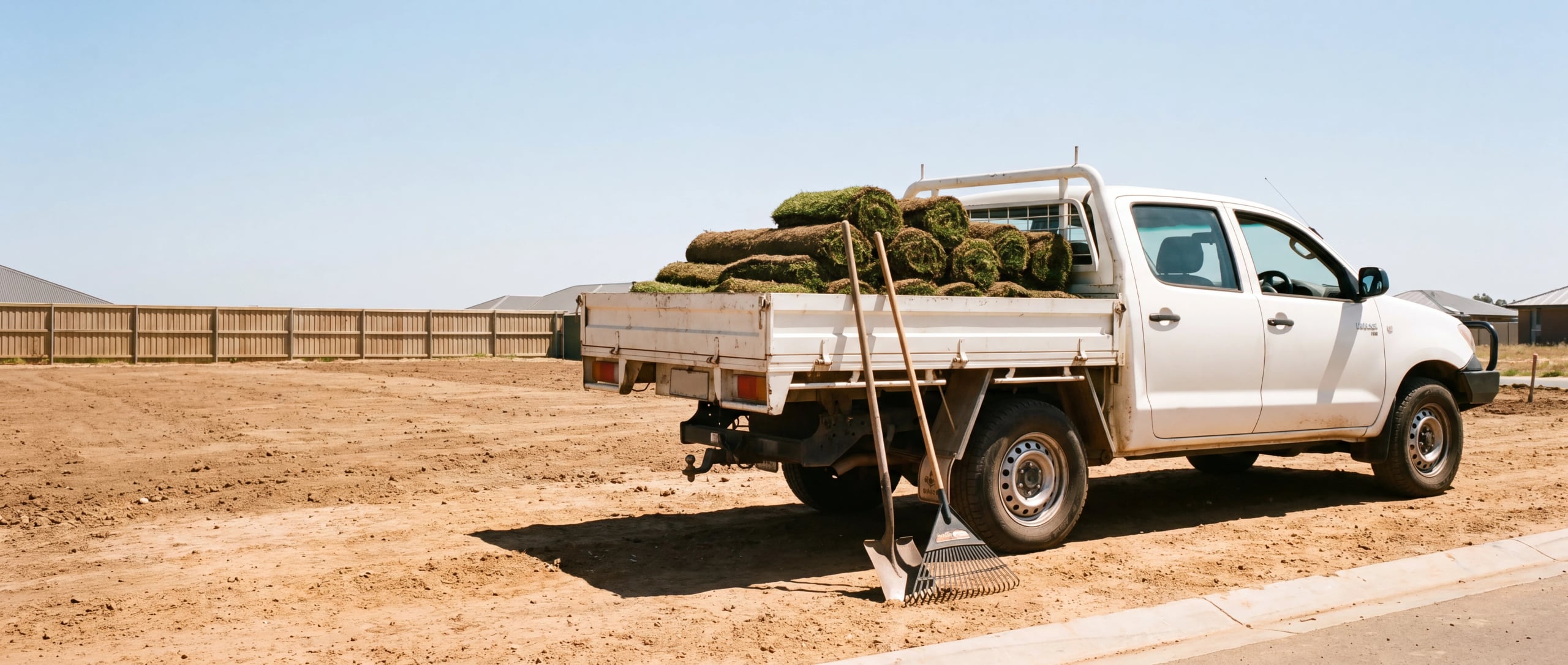
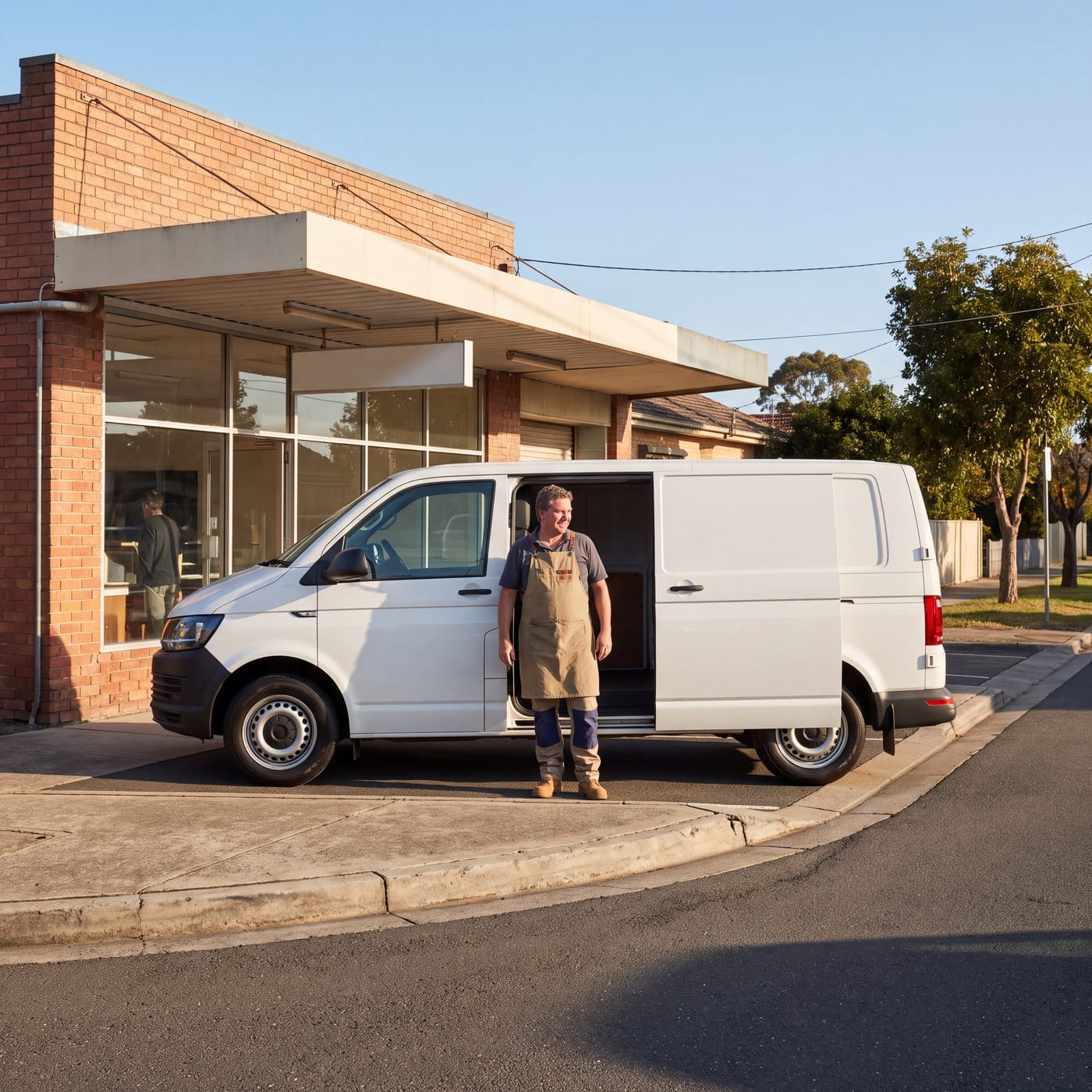
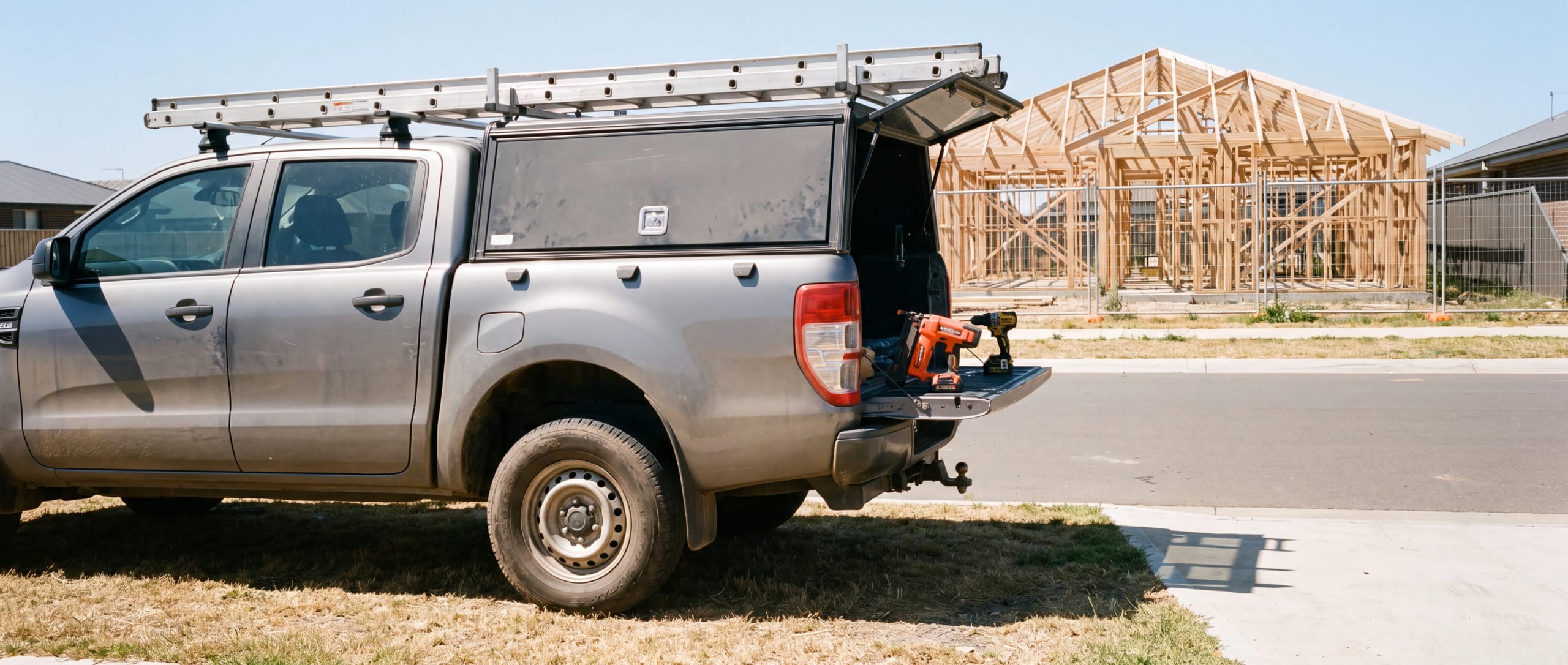
The common strengtheners are GST registration, a longer ABN history, clean personal and business credit, property ownership or a deposit, and an asset that holds value well. Utes, vans and trucks are the natural fit, which is why so much low-doc commercial finance is written on work vehicles like those covered in our ute finance guide for tradies.
What documents replace full financials?
For most applicants, a driver's licence, front and back, is all that's needed. That is a far lighter document set than the BAS statements, business bank statements or accountant's letter that mid-doc lending asks for, which is the whole point of low-doc.
Where a lender does ask for more, it's generally because the ABN has been registered for less than 6 months, in which case a few months of banking may be requested as well. Each lender has its own requirements, and matching what you actually hold to the lender who fits is most of the game.
Ready to compare your options?
A broker searches the panel so you see what they can offer for your profile. Takes two minutes.
Get my quoteDoes ABN age and credit history matter?
Yes, both. Most low-doc lenders want an ABN registered at least twelve months, and some prefer twenty-four. Younger ABNs are considered by a shorter list of lenders leaning on other strengths, chief among them industry continuation, the applicant who kept the trade and changed only the billing arrangement. That's covered in our guide on financing a work vehicle with a new ABN.
Credit history works the same way it does everywhere. Clean files open more doors, and blemishes narrow the field toward lenders who assess what happened and how long ago. Because low-doc already asks the lender to take more on trust, the credit file carries proportionally more weight, and a tidy file plus a deposit can carry an application that either alone could not.
What assets can be financed low-doc?
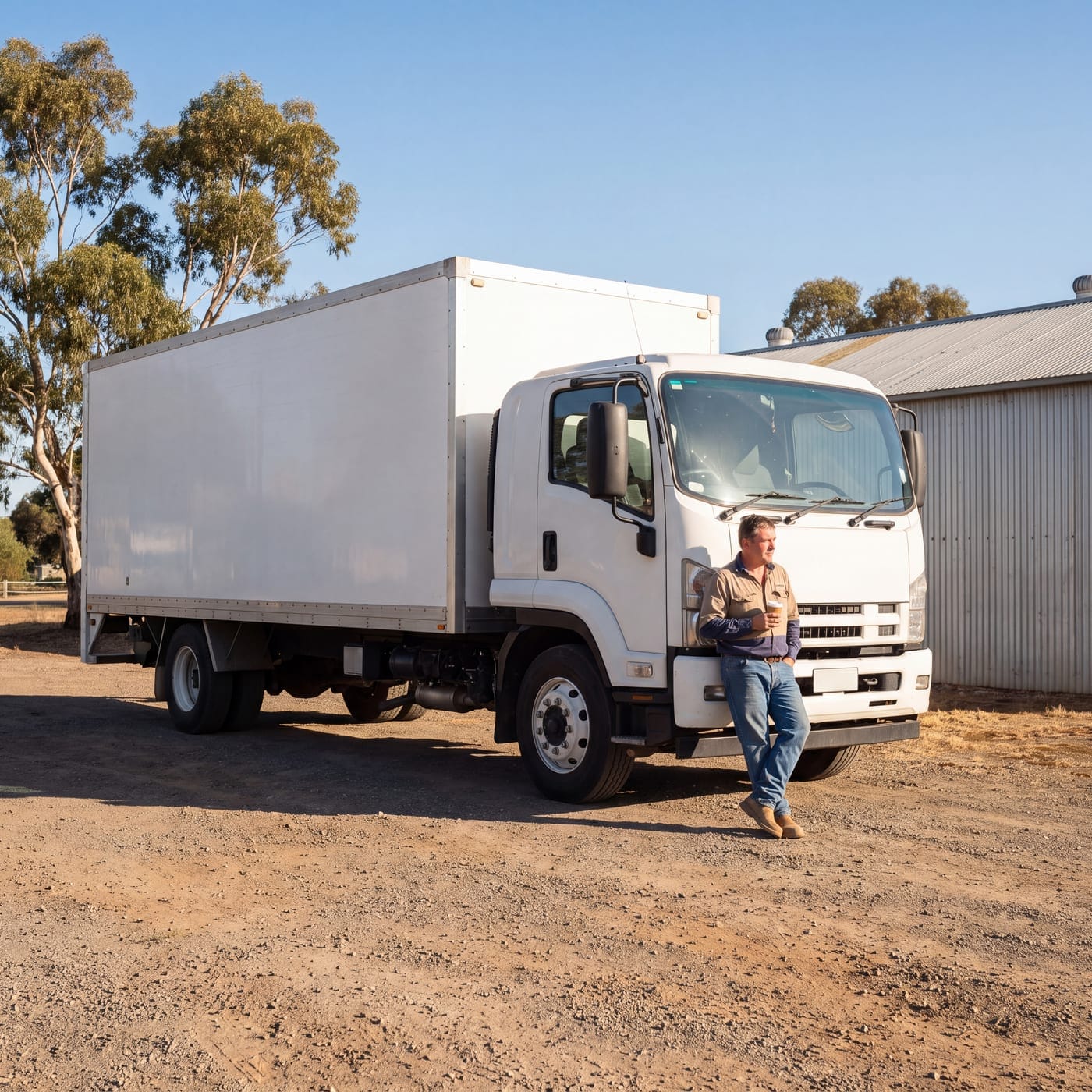
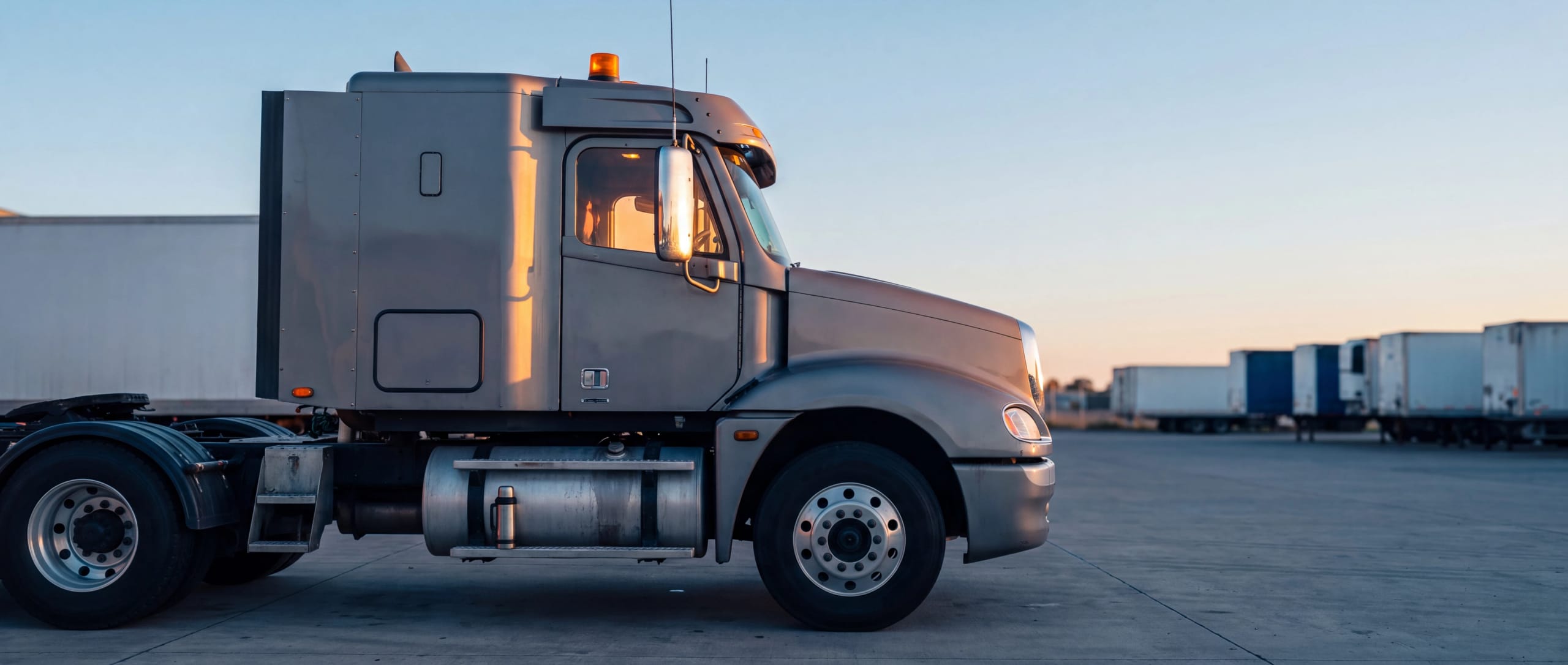
Work vehicles lead the way, from utes, vans and light trucks through the commercial vehicle market generally. Heavier trucks, trailers and earthmoving machinery follow, along with much of the equipment market. The asset matters because it is the lender's security, and strong secondhand values with predictable depreciation are what let the lender extend that extra trust.
Newer assets fit more policies than older ones, and age caps at the end of the term apply as they do in full-doc lending. Where the asset is older or unusual, the file leans harder on the borrower's strengths, which is a placement question a broker answers before anything touches your credit file.
How do you apply and what should you expect?
Gather the file first. That is your driver's licence, your ABN details, a few months of banking if the ABN is under 6 months old, and the asset's details once chosen. Then place it once, with the lender whose policy matches what you hold. Scattered applications are the classic low-doc mistake, because each enquiry marks the file that is already doing extra work.
Expect speed when the match is right, because lighter paperwork means less to verify and straightforward low-doc files commonly reach pre-approval the same day. One enquiry with Morella Finance compares low-doc policies across the lender panel and places the application where it fits, and the commercial finance calculator lets you test repayments before you start. On the tax side, treatment follows the structure and the business use, general concepts we cover in our GST and tax guide, with the specifics confirmed by your accountant.
Frequently asked questions
Ready to compare your options?
This guide is general information. When you are ready, see how it applies to your situation.

This guide is general information, not financial or credit advice. Consider your circumstances and check details with your broker or accountant.
Start here
Compare lenders in two minutes
No obligation, no impact on your credit score at quote stage. A broker will follow up with real options matched to your situation.
Step 1 of 3
What are you financing?
Select a finance type and tell us your loan amount.