
Commercial Finance
Truck Finance 101: Owner-Drivers and Fleets
By Joseph Nowland, Director and Senior Finance Broker · 18 July 2026 · 4 min read
Last reviewed 26 July 2026
How does truck finance work in Australia?
Truck finance is commercial asset lending. The business borrows to buy the truck, the lender holds security over it, and repayments run over an agreed term, commonly three to seven years given a truck's working life. Chattel mortgages dominate, with leases and hire purchase available where the structure suits.
The truck finance market has its own specialists. Trucks are high-value assets with long service lives and strong secondhand demand, and lenders who know the segment read age, kilometres and configuration sensibly. Placement matters more here than almost anywhere else in commercial finance, because generalist policy can misread a perfectly good truck deal.
What trucks and trailers can you finance?
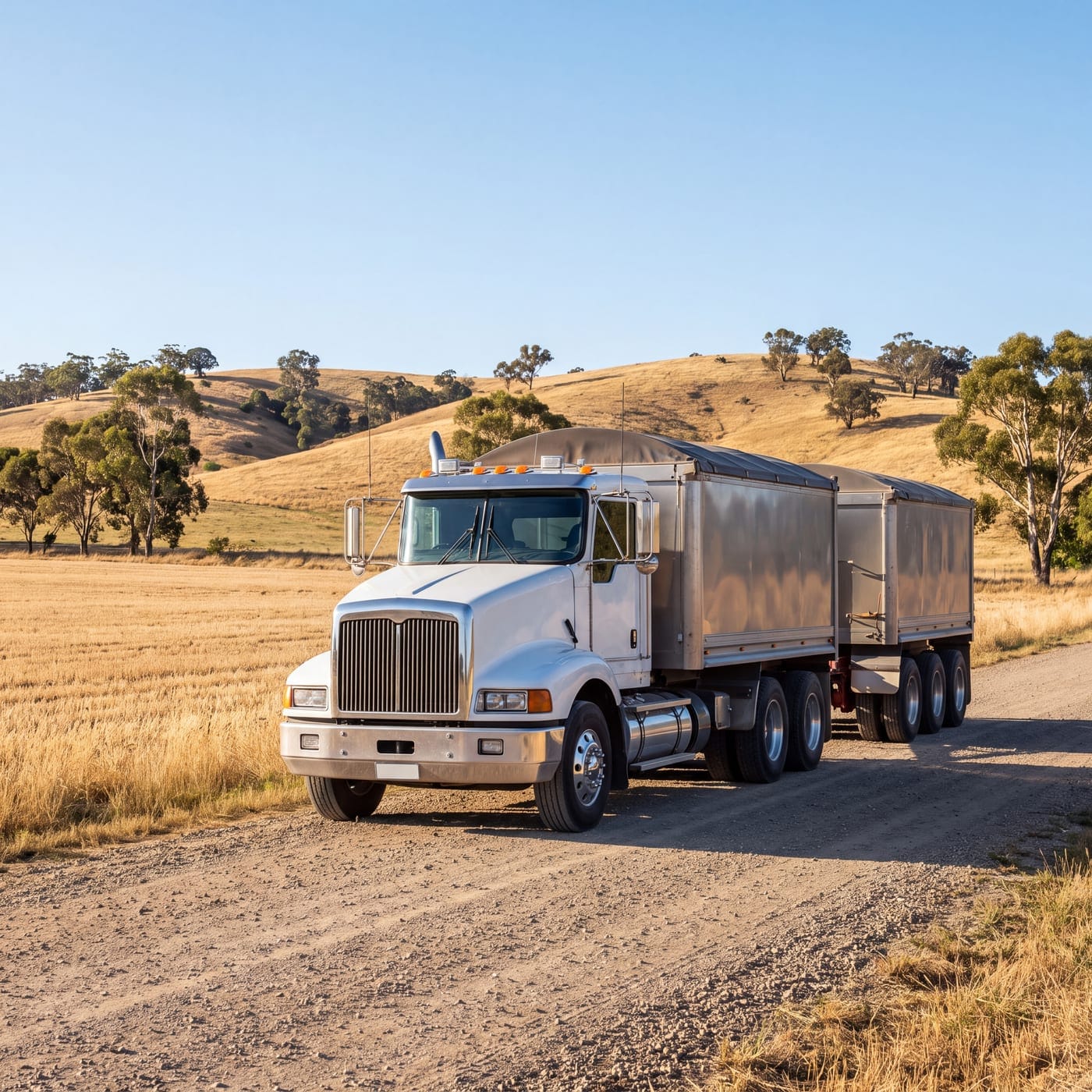
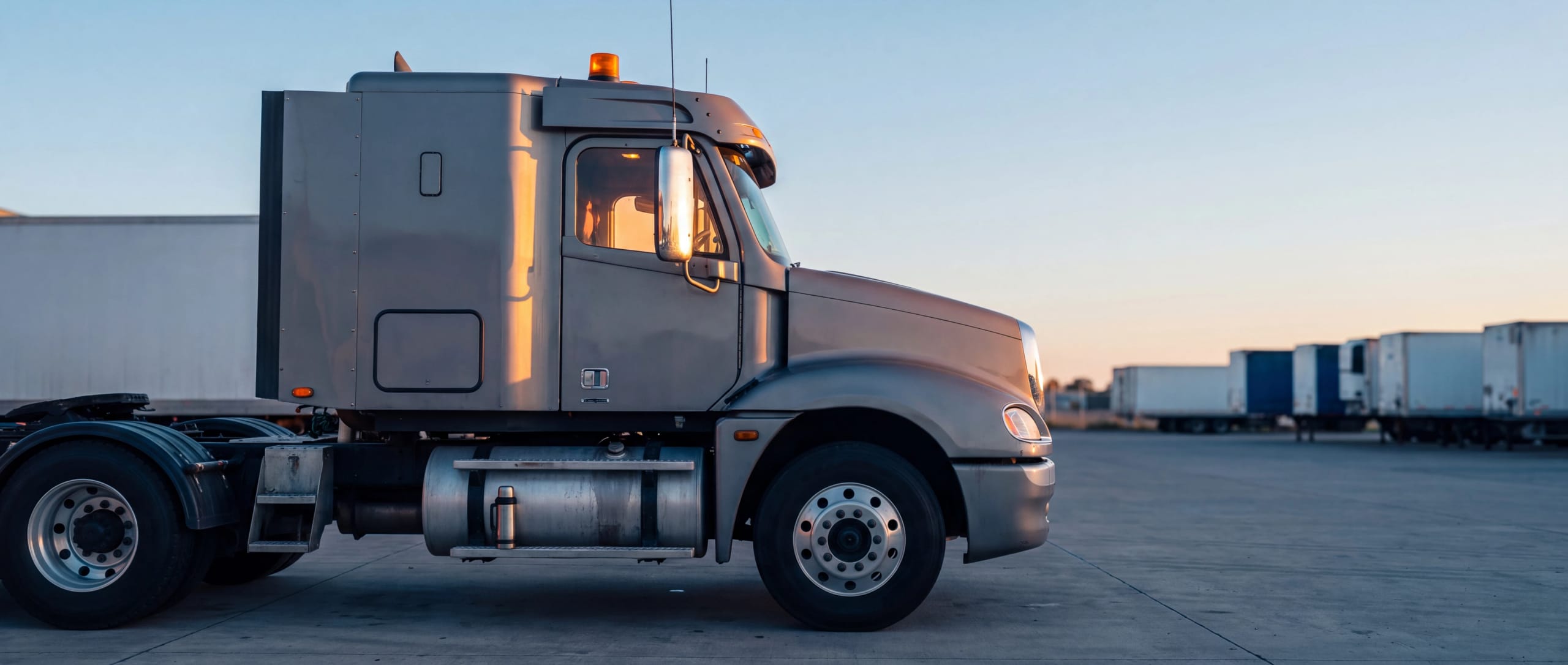
Rigid trucks, prime movers, tippers, crane trucks, refrigerated bodies and buses all finance well, along with the trailers that work behind them, from flat tops and curtainsiders to dogs, dollies and specialised gear. New and used both have a market, with used stock assessed on age, kilometres, service history and configuration.
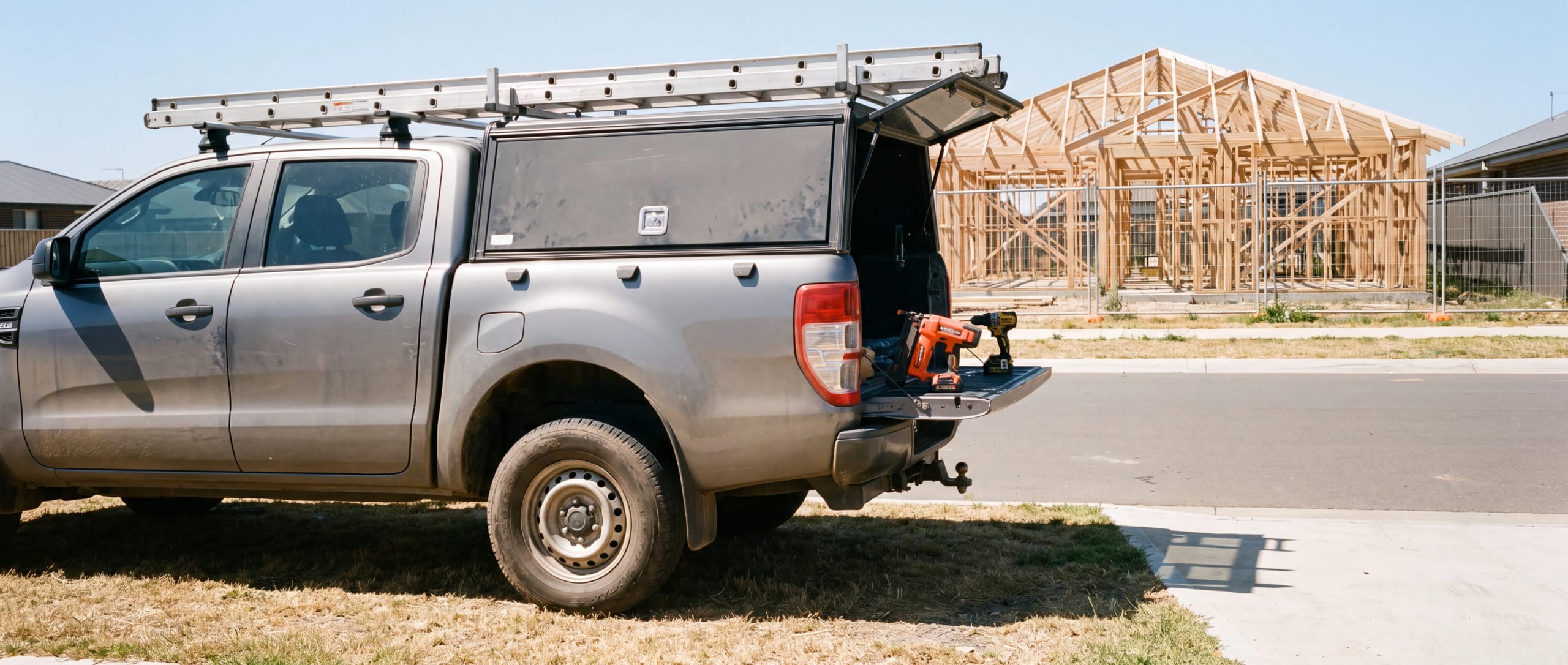
Trailers can be financed with the truck or on their own, and a truck-and-trailer package under one facility keeps the combination together with one repayment. Bodies and fitouts, tailgate loaders, refrigeration units and cranes, can often be included when they are part of the purchase, invoiced together so the lender funds the working vehicle rather than a bare cab chassis.
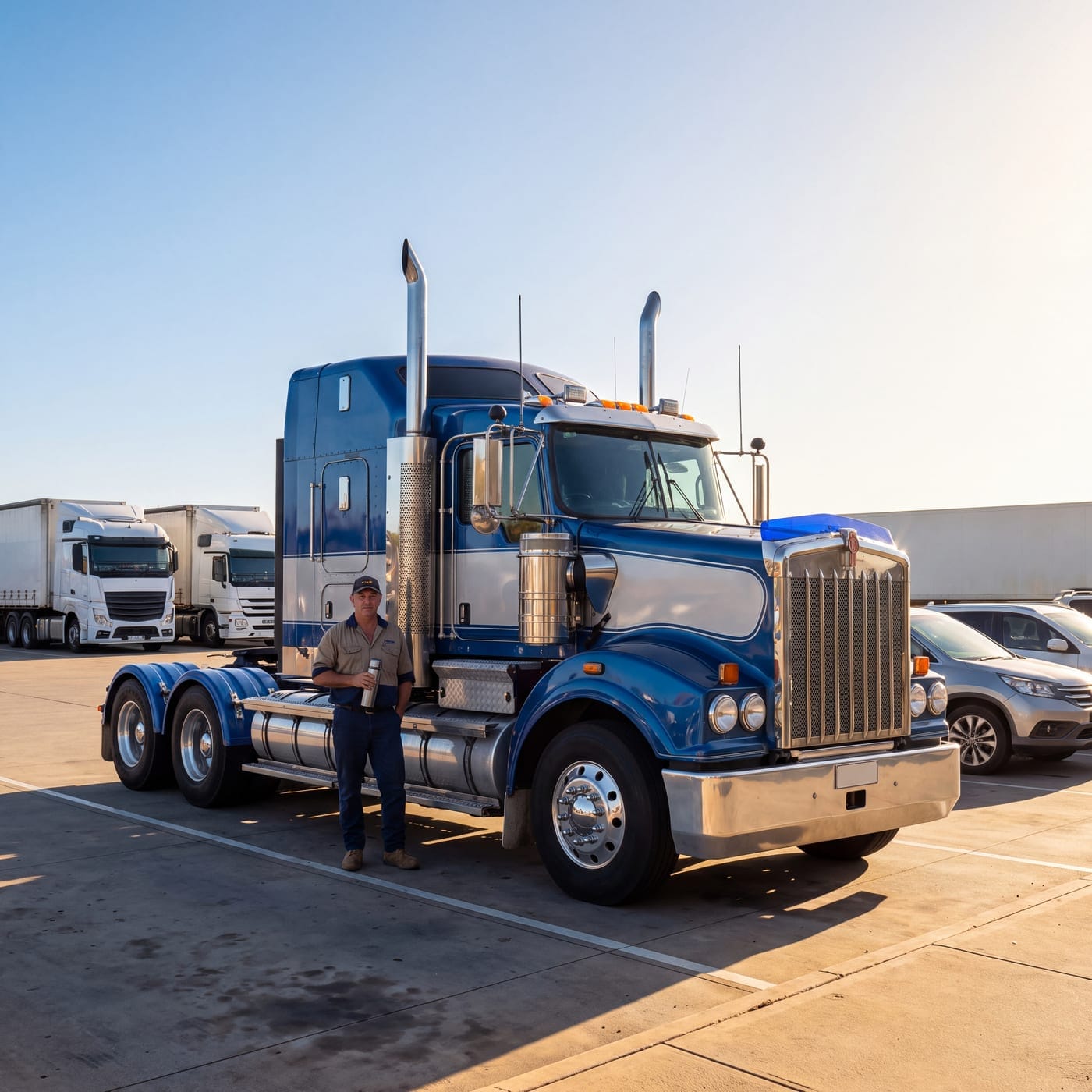
Older trucks push toward specialist lenders with age caps applied at the end of the term. A well-maintained truck with documented history remains financeable well past the age where generalist policy loses interest, which is a placement exercise rather than a problem.
How is an owner-driver assessed?
On the strength of the work behind the truck. Lenders want to see how it will earn, so an existing contract, a letter of intent from a prime contractor, or a trading history of similar work all carry weight. Industry experience matters too. A driver stepping from employment into an owner-driver role with years behind the wheel reads far better than a cold start.
Income evidence follows the usual commercial paths, meaning financials and returns where they exist, or low-doc commercial finance on licence and ABN alone where the business is newer or the paperwork is running behind. Deposits strengthen first-truck applications without always being required, and a sensible truck for the contract beats an ambitious one on every measure a lender scores. If your ABN is new, our guide on financing a work vehicle with a new ABN covers the extra ground.
Ready to compare your options?
A broker searches the panel so you see what they can offer for your profile. Takes two minutes.
Get my quoteHow does financing a fleet differ?
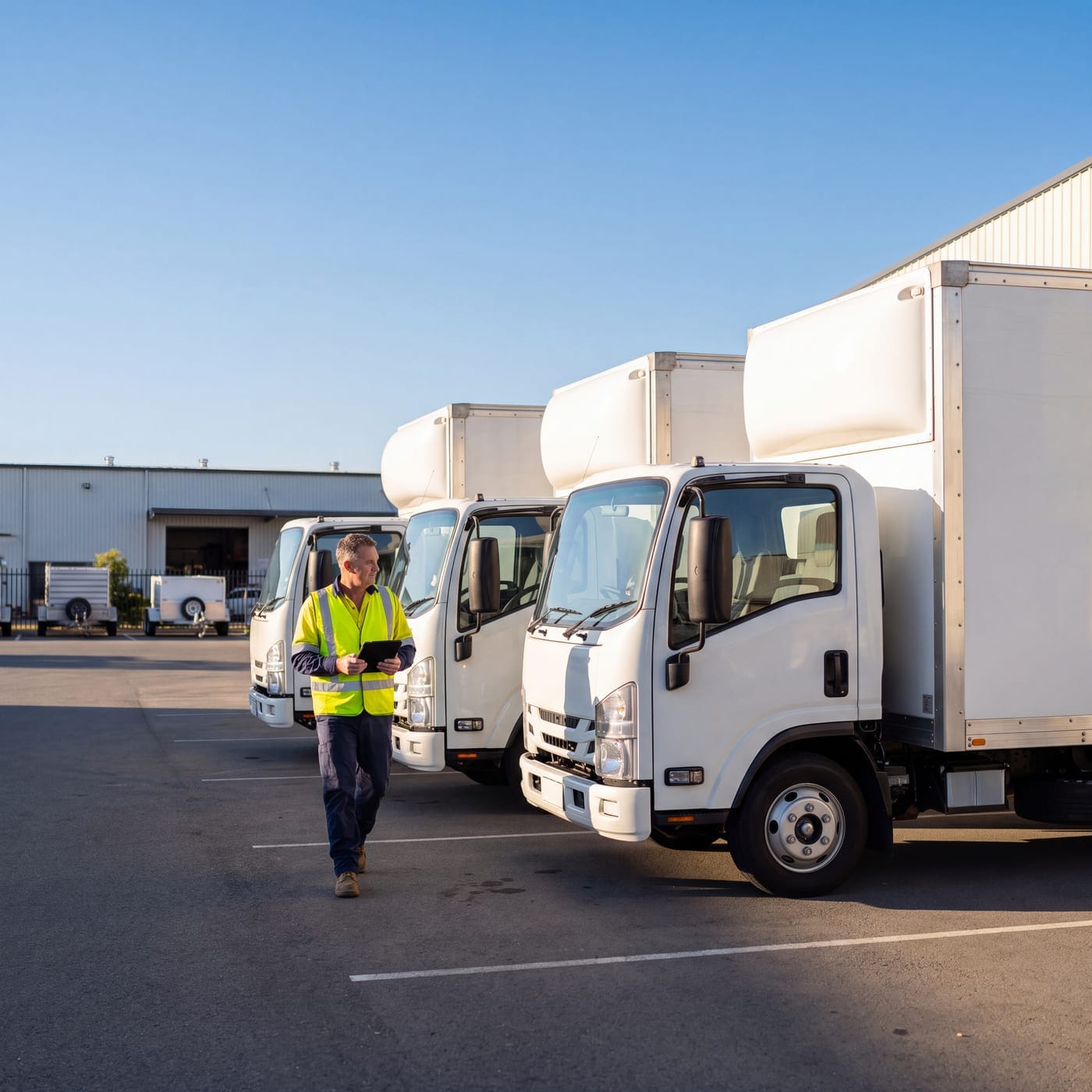
Established operators are assessed on the business rather than a single contract, which brings financials, existing commitments, how hard the trucks are worked and the story behind the expansion into the picture. Facilities can be structured per truck or as one arrangement that adds vehicles as the fleet grows, and replacement cycles start to matter as much as individual purchases.
That is its own discipline, covered properly in our guide on how fleet finance works. In short, once the fleet passes a handful of vehicles, structuring the funding deliberately saves real money and administration compared with accumulating one-off loans.
What structures and terms suit trucks?
Chattel mortgage for ownership, lease where the operator wants trucks cycled off balance sheet, hire purchase where that documentation suits. Balloons are common and useful on trucks, sized against strong secondhand values, and seasonal repayment shaping exists for work tied to harvests, projects or peak freight periods.
Terms run longer than car lending because trucks work longer, and matching the term to the truck's earning life is the discipline. A truck financed over seven years should still be earning competitively in year seven. Run scenarios on the commercial finance calculator, and pressure-test the balloon against what the truck will actually fetch when it lands.
How do you run the application end to end?
Assemble the file before the truck. That means ABN and identification, income evidence or low-doc alternatives, contract or work evidence for a first truck, and the deposit position. Pre-approval confirms the budget and makes you a fast buyer in a market where good used trucks sell quickly.
Then choose the truck, add its details, and let settlement run. Dealer sales settle in days, while private and auction purchases add verification steps. One enquiry with Morella Finance places the deal across the lender panel with the truck specialists included, which is the difference between policy that fights the deal and policy built for it.
Frequently asked questions
Ready to compare your options?
This guide is general information. When you are ready, see how it applies to your situation.
This guide is general information, not financial or credit advice. Consider your circumstances and check details with your broker or accountant.
Start here
Compare lenders in two minutes
No obligation, no impact on your credit score at quote stage. A broker will follow up with real options matched to your situation.
Step 1 of 3
What are you financing?
Select a finance type and tell us your loan amount.
Keep reading
Related guides
 Chattel Mortgage Explained: The Complete GuideThe chattel mortgage is the workhorse of Australian business vehicle finance. How it works, who it suits, how balloons fit.
 Low-Doc Commercial Finance: What You Need to QualifyLow-doc commercial finance funds business assets on alternative income evidence. What lenders accept, how ABN age and credit feed the decision.