
Equipment Finance
Low-Doc Equipment Finance Explained
By Joseph Nowland, Director and Senior Finance Broker · · 5 min read
What is low-doc equipment finance?
Commercial equipment finance assessed on your driver's licence and ABN rather than full financials and current tax returns. The loan itself is unchanged, typically a chattel mortgage over the asset, repaid over an agreed term. Only the evidence path differs, and for most applicants it really is just a driver's licence, front and back, standing in for the paperwork that falls behind real trading.
It is a business product for ABN holders buying business assets, sitting within the broader low-doc commercial finance market. It exists because standard assessment reads many genuine businesses badly. Returns run a year behind, growth outpaces the last lodgement, and legitimate deductions shrink the taxable figure a lender would otherwise take as income.
Who does low-doc equipment finance suit?
The self-employed mainstream of tradies, contractors, farmers, transport operators and small companies whose trading is real and whose paperwork is busy catching up. A sole trader flat out on the tools all year is the classic case, covered from that angle in our sole trader equipment guide, along with businesses whose latest return no longer represents what they now earn.
It also serves speed. With less to verify, well-matched low-doc files move quickly, commonly reaching pre-approval the same day, which matters when a machine is at auction or a competitor is circling the same used gear. Low-doc is not a concession product. For much of the equipment market it is simply how working businesses get assessed fairly.
What documents replace full financials?
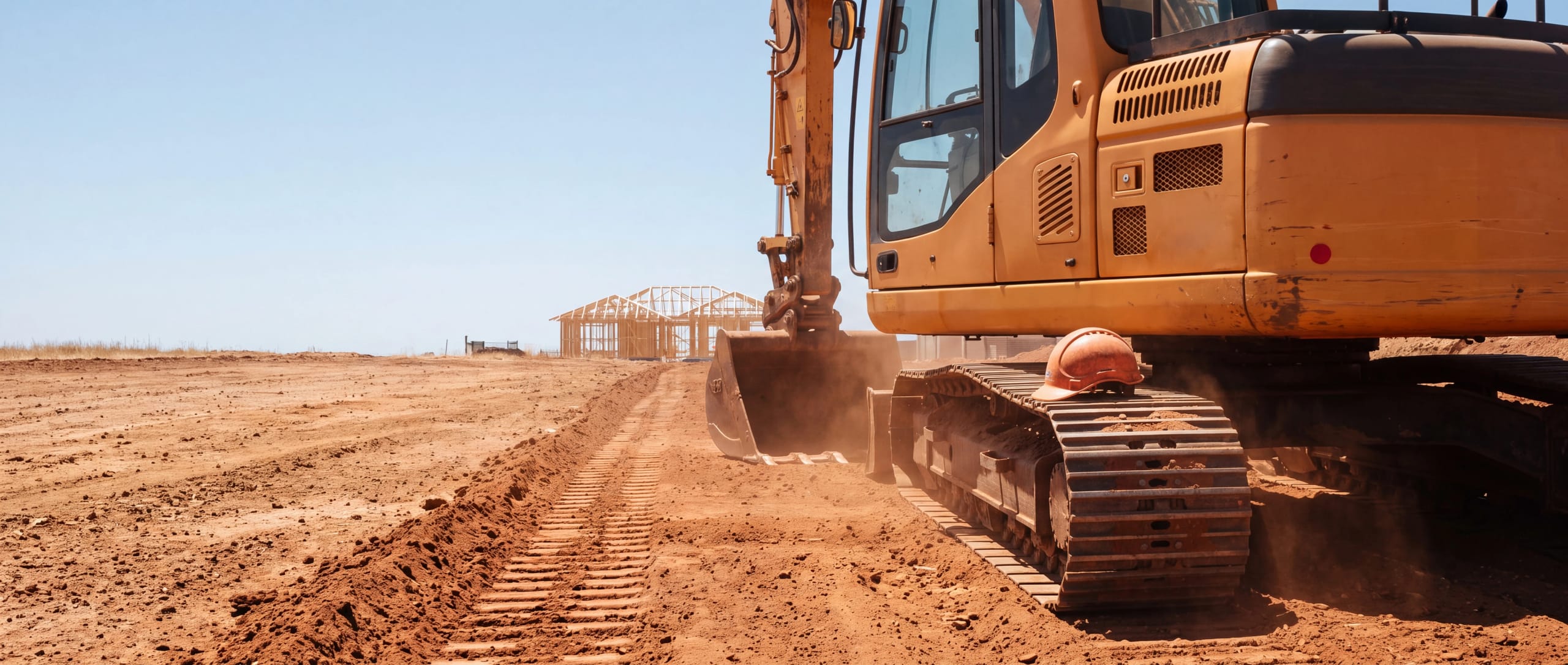
A driver's licence, front and back, is the backbone, and for most applicants nothing else is required. A lender that asks for more usually does so because the ABN is under 6 months old, and the extra ask is generally a few months of banking rather than anything heavier.
Each lender writes its own policy, and matching what you actually hold to the lender who fits is most of the game. Mismatched placement, applying somewhere your situation doesn't suit, is where low-doc applications go to die.
Ready to compare your options?
A broker searches the panel so you see what they can offer for your profile. Takes two minutes.
Get my quoteHow do ABN age, GST and credit history feed the decision?
The trust the lighter paperwork asks for has to come from somewhere, and ABN age supplies some of it. Most low-doc lenders want twelve months or more, with younger ABNs served by a shorter list leaning on other strengths, none stronger than years spent operating the same machinery on wages before buying your own. That's ground covered in our new business equipment guide. GST registration backs up that the business trades at real scale, and some lenders require it above thresholds.
Credit history carries proportionally more weight than in full-doc lending, personal and business files both. Clean conduct opens the market, while recent blemishes narrow it toward lenders who price what happened and how long ago. A deposit rounds out the picture, strengthening thin files without being a universal requirement.
| Factor | How it feeds the decision |
|---|---|
| ABN age | Most low-doc lenders want twelve months or more. Younger ABNs are served by a shorter list leaning on other strengths, such as years operating the same machinery on wages |
| GST registration | Backs up that the business trades at real scale, and some lenders require it above thresholds |
| Credit history | Carries more weight than in full-doc lending. Clean conduct opens the market, while recent blemishes narrow it |
| Deposit | Strengthens thin files without being a universal requirement |
| The equipment | Assets that hold value and resell readily fit most easily. Specialised or soft assets, such as bespoke plant, fit-outs and technology, fit fewer policies |
What equipment fits low-doc policy?
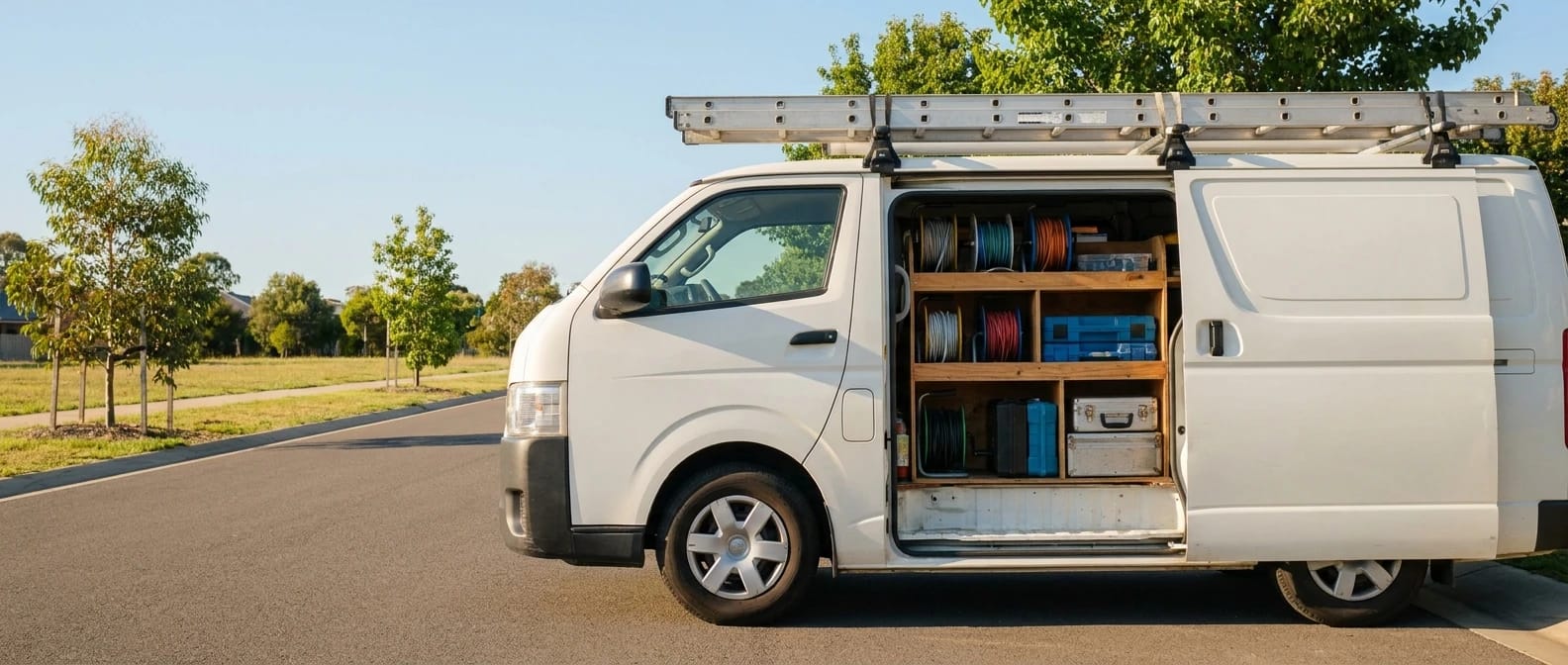
Assets that hold value and resell readily, meaning the machinery heartland of excavators, tractors, forklifts and trucks, plus mainstream business equipment with established secondhand markets. Strong security does part of the reassuring that fuller paperwork would otherwise do, so the quality of the asset has a direct bearing on what gets approved.
Age caps apply at the end of the term as everywhere, and highly specialised or soft assets, bespoke plant, fit-outs, technology, fit fewer low-doc policies because their resale value carries less of the file. Where the asset is unusual, expect the assessment to lean harder on your strengths, or the structure to include a contribution.
How do you apply for low-doc equipment finance?
- Gather what you hold. For most applicants that means your driver's licence and ABN details. Clean, straightforward paperwork helps a file move faster.
- Add banking only if it's needed. A few months of banking is generally only asked for when your ABN is under 6 months old.
- Add the asset's details. Once you've chosen the equipment, its details go on the file.
- Test the repayment. The equipment finance calculator lets you try the numbers before anything formal begins.
- Place it once. One enquiry with Morella Finance maps your evidence against the lender panel without touching your credit file, then places the application where the policy matches your documents.
- Check the tax side. Treatment follows the structure and business use as usual, with the specifics confirmed by your accountant.
Frequently asked questions
No. Low-doc replaces full financials with a driver's licence and your ABN, still assessed by the lender, with banking only requested if the ABN is under 6 months old. Arrangements marketed as no-doc sit further along the spectrum with their own conditions, typically leaning on larger deposits or property backing.
Not universally, but it helps, and some lenders require it above certain amounts. Registration backs up that the business trades at genuine scale. Without it, other strengths, ABN age, clean credit, a deposit and a strong asset, carry more of the load.
Usually the opposite when placed correctly, since there is less to verify. Straightforward files commonly reach pre-approval the same day. Delays come from mismatched placement or missing documents rather than from the product itself.
Ready to compare your options?
This guide is general information. When you are ready, see how it applies to your situation.
Popular loan types
This guide is general information, not financial or credit advice. Consider your circumstances and check details with your broker or accountant.
Start here
Compare lenders in two minutes
No obligation, no impact on your credit score at quote stage. A broker will follow up with real options matched to your situation.
Step 1 of 3
What are you financing?
Select a finance type and tell us your loan amount.
Keep reading
Related guides
 Equipment Finance 101: The Complete GuideHow equipment finance works for Australian businesses, including what can be funded, the structures available and what lenders assess.
 How to Finance Equipment as a Sole TraderSole traders reach the same equipment finance market as companies. How you are assessed, the documents that work and what a new ABN changes.