
Equipment Finance
Equipment Finance for New Businesses
By Joseph Nowland, Director and Senior Finance Broker · 18 July 2026 · 4 min read
Last reviewed 26 July 2026
Can a new business get equipment finance?
Yes. A young ABN narrows the lender pool rather than closing it, and a meaningful part of the equipment finance market writes deals for businesses in their first year or two. The catch is plain enough. You are asking a lender to back a business without the trading history that normally answers their main question, so the application has to answer it another way.
New businesses buy equipment for the best possible reason, they cannot start earning without it, and lenders in this space know that. What separates approvals from declines is rarely the ABN's age alone. It is whether the file supplies confidence from its other sources.
What do lenders want to see instead of trading history?
Experience comes first. Years spent doing the same work for an employer is evidence the business model runs, and the application should say so explicitly. A carpenter of ten years buying a first van and tools is a proven operator with new invoicing, not a startup gamble.
Work in hand comes second, because contracts, letters of intent, subcontract arrangements or a full diary all show the equipment has earning waiting for it. Then come the financial signals. Clean personal credit carries extra weight while the business file is thin, a deposit shares the risk, and whatever early trading exists helps, even a few months of bank statements showing invoices being paid.
Does the equipment itself matter more for a new business?
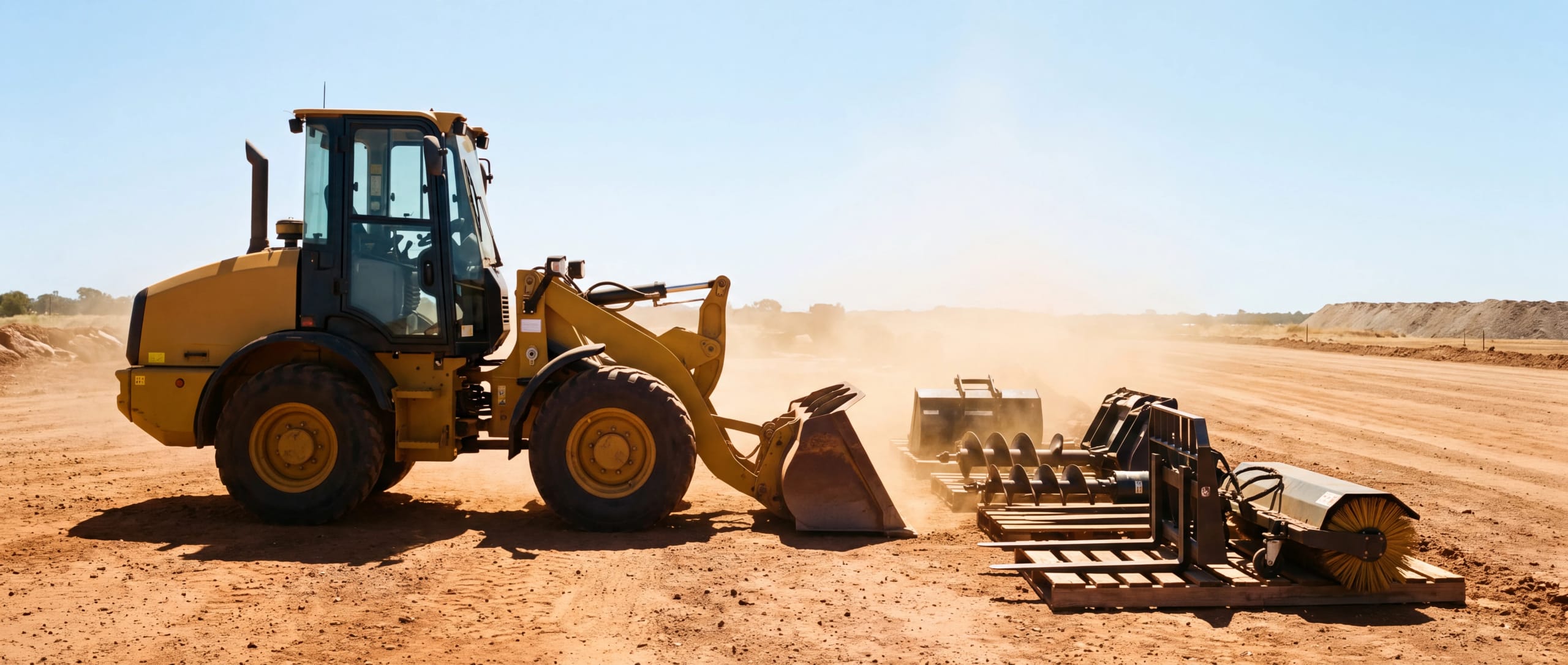
Considerably. Strong assets carry thin files. A well-priced, readily resold machine gives the lender a solid security position that offsets the missing history, which is why a sensible used excavator can be easier to fund than a bespoke fit-out for the same young ABN. Our machinery finance guide covers which assets sit in the easy lane.
Sizing matters as much as selection. The modest machine that does the contracted work reads as judgment, while the aspirational one reads as risk. There is nothing wrong with upgrading in two years from a position of strength, and the first facility done well is what builds the history that makes the second one easy.
Ready to compare your options?
A broker searches the panel so you see what they can offer for your profile. Takes two minutes.
Get my quoteWhat documents will you need?
Identification and ABN details always, then evidence at whatever scale exists, whether that is bank statements since trading began, invoices issued, BAS if lodged, or the contract and work evidence behind the purchase. Payslips or references from prior employment in the trade establish the experience story, and a clean deposit trail closes another question before it is asked.
Where the paperwork is inevitably thin, low-doc commercial policy carries the structure, with declarations supported by the file's other strengths, detailed in our low-doc equipment finance guide. Thin files win by being complete, and every gap you close is one question the assessor never has to ask.
What structures and terms are realistic?
The same chattel mortgage as any business, applied a little conservatively. Sometimes a deposit is requested, and occasionally the term runs shorter or the balloon smaller than an established operator would see. Sole traders, the most common new-business structure, are assessed as one financial life, covered in our guide on equipment finance as a sole trader.
Plan for the constraints to relax. A facility that gets the business earning can be restructured once a year or two of financials exist, and the first loan's job is to start that clock, not to be perfect. Test the repayment on the equipment finance calculator against conservative early revenue, because the quiet first months are when the repayment has to survive.
How do you apply without hurting your credit file?
Place one application, matched to a lender who writes new-business deals as a matter of course, rather than testing the market with your file. Young-ABN policy varies more between lenders than almost anything else in commercial lending, and every formal application lodges an enquiry the next assessor reads. A decline collected at the wrong desk makes the right desk harder.
This is exactly where comparison before application earns its keep. One enquiry with Morella Finance maps your file against the lender panel without touching your credit record, identifies the lenders whose policy fits a young ABN with your assets and evidence, and places the application where it can succeed the first time.
Frequently asked questions
Ready to compare your options?
This guide is general information. When you are ready, see how it applies to your situation.

This guide is general information, not financial or credit advice. Consider your circumstances and check details with your broker or accountant.
Start here
Compare lenders in two minutes
No obligation, no impact on your credit score at quote stage. A broker will follow up with real options matched to your situation.
Step 1 of 3
What are you financing?
Select a finance type and tell us your loan amount.