
Commercial Finance
Financing Business Vehicles Through an ABN: What to Know
By Joseph Nowland, Director and Senior Finance Broker · 18 July 2026 · 4 min read
Last reviewed 26 July 2026
What does financing a vehicle through your ABN mean?
It means the loan is written to a business instead of a consumer. The borrower is the sole trader, partnership, company or trust, the vehicle is used predominantly in that business, and the whole arrangement is assessed under commercial lending rules rather than consumer credit rules.
The differences are more than labels. Commercial borrowers get structures like the chattel mortgage, balloons and seasonal repayment shaping, income assessment that reads business paperwork sensibly, and the low-doc paths consumer lending simply does not offer. An ABN and a business purpose behind the purchase open the whole commercial finance market.
When does a vehicle loan count as business finance?
Use decides it, not the badge on the tailgate. A vehicle that predominantly earns for the business, carrying tools between sites, delivering goods, driving from job to job, supports a commercial loan. A vehicle that is mostly personal transport stays in consumer lending no matter how long the ABN has existed, and it keeps the consumer protections that come with that.
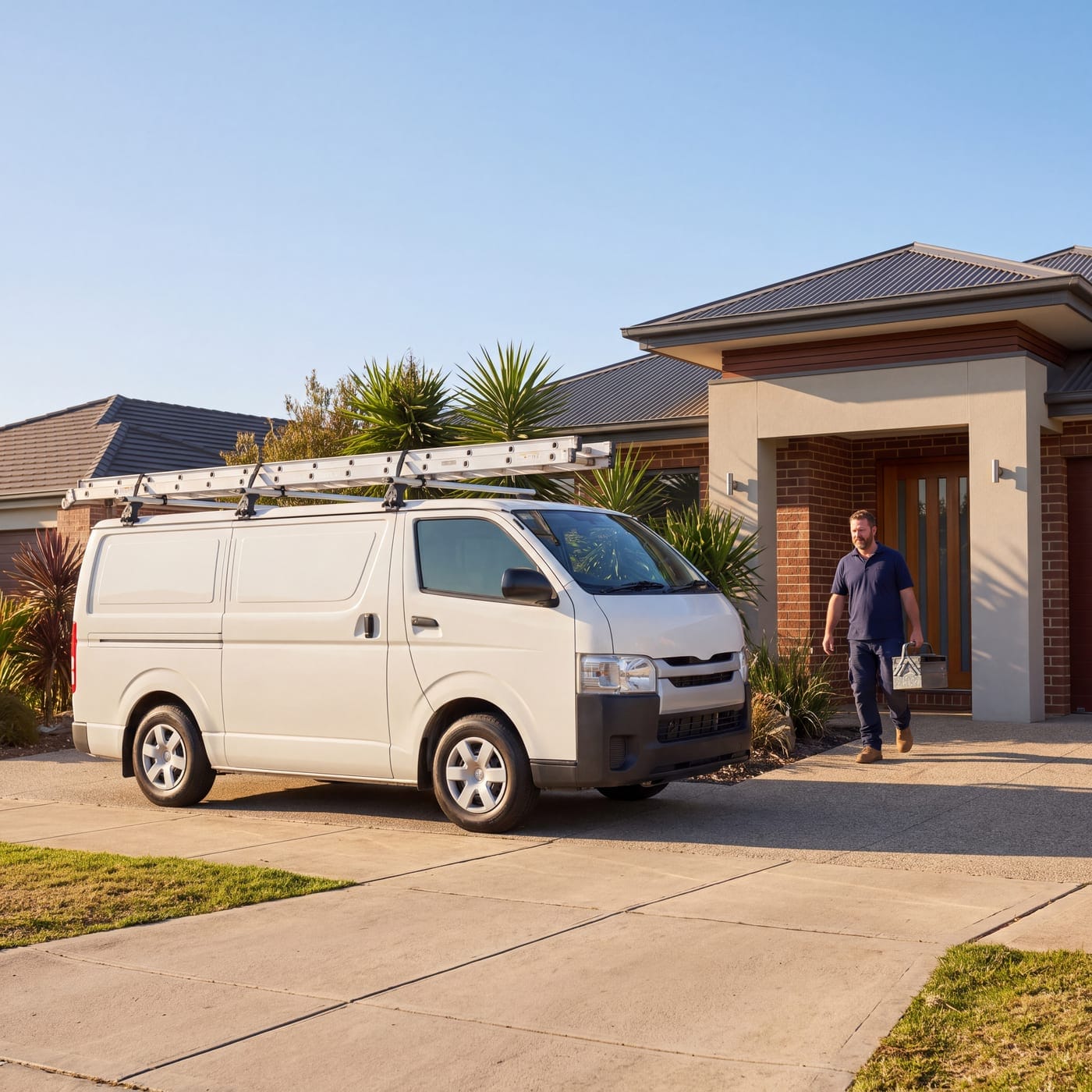
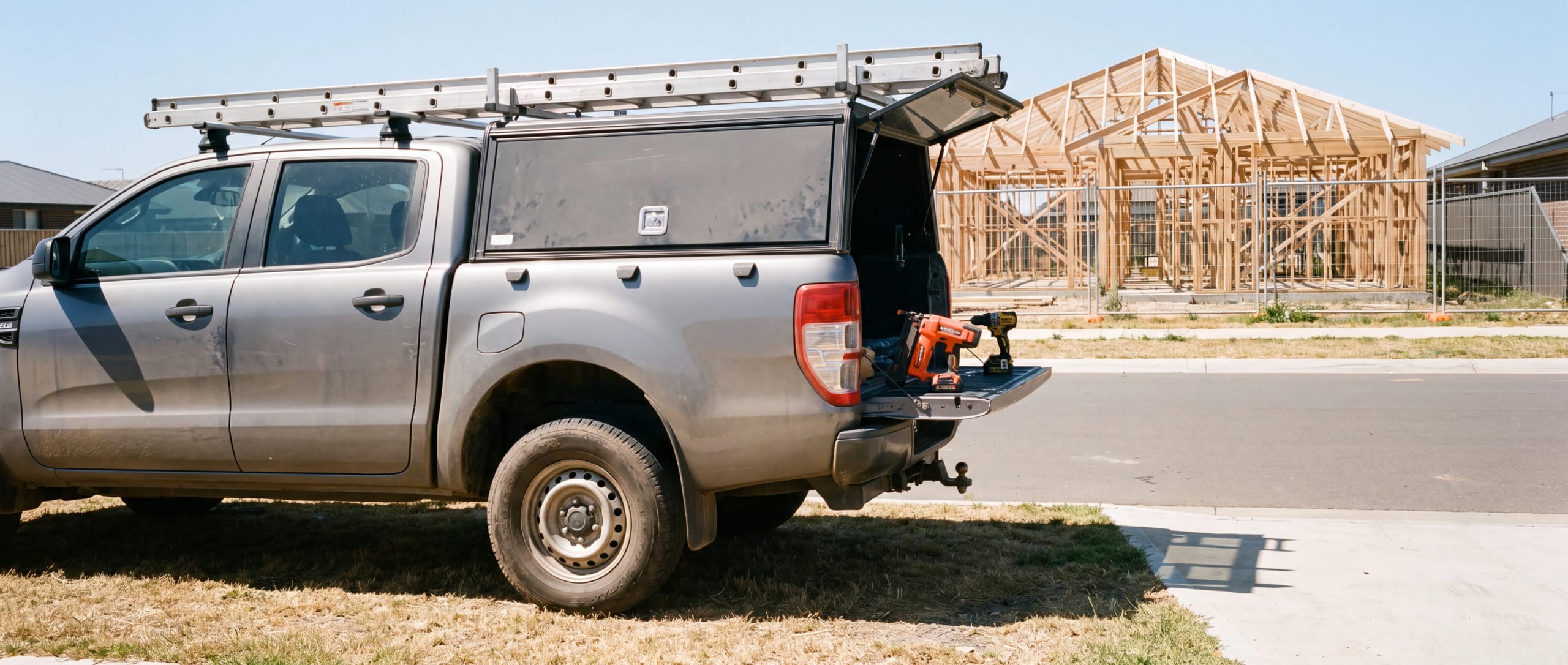
Most cases decide themselves. Think of the signwritten van, the plumber's ute loaded with fittings, the courier's truck. The grey zone is the dual-cab that works all week and tows the family van on holidays, and lenders ask about predominant use directly. Answer accurately, because the declaration matters legally and the business-use percentage feeds straight into the tax treatment your accountant applies later.
What structures are available to ABN holders?
Everything in the commercial toolkit is on the table. The chattel mortgage, where the business owns the vehicle from settlement, is the workhorse and the subject of our complete chattel mortgage guide. Finance leases and hire purchase suit businesses wanting different ownership and end-of-term shapes, and the three are weighed against each other in chattel mortgage vs lease vs hire purchase.
Around the core structure sit the levers. Balloon payments sized to the vehicle's working life, terms matched to replacement plans, fitouts and accessories funded inside the purchase, and repayment shaping for seasonal trades. Used well, they make commercial vehicle finance fit the business rather than forcing the business to fit the loan.

Ready to compare your options?
A broker searches the panel so you see what they can offer for your profile. Takes two minutes.
Get my quoteWhat documents will you need?
Identification and ABN details are the constants. Income evidence then matches the situation. An established business brings financials and tax returns, while a business whose paperwork trails its trading takes the low-doc route, where the driver's licence and ABN carry the assessment and a few months of banking is requested only when the ABN is under 6 months old. Once the vehicle is chosen, its details round out the file.
Entity structure changes the signatures more than the substance. A sole trader applies in their own name. Companies and trusts apply as the entity, with directors usually giving personal guarantees, which brings their personal credit files into the assessment alongside the business position. Gathered before the application rather than during it, none of the paperwork is a burden.
What are the tax and GST considerations?
As general concepts only, a GST-registered business may be able to claim the GST included in a purchased vehicle's price, and interest, depreciation and running costs may be deductible in line with business use. A leased vehicle runs on different mechanics, with GST typically attaching to the payments instead. The structure changes the plumbing, not the underlying principle that business use drives deductibility.
Every part of that depends on registration, accounting basis, business-use percentage and limits that shift over time, so put the specifics to your accountant before anything is signed. Our straightforward GST and tax guide maps the concepts so that meeting is a short one.
How does the purchase run end to end?
A good purchase follows a disciplined order. Paperwork first, pre-approval second, then the vehicle chosen inside the approved budget, settlement paid straight to the dealer or seller, security registered, and the vehicle earning from its first day on the road. Straightforward files commonly see pre-approval the same day.
Comparison is the step that pays for itself. Rather than accepting the first desk's version of the deal, one enquiry with Morella Finance runs it across the panel with the structure options included. Test repayments on the commercial finance calculator, settle the structure with your accountant, and let the broker place the file where policy suits the business you actually run.
Frequently asked questions
Ready to compare your options?
This guide is general information. When you are ready, see how it applies to your situation.

This guide is general information, not financial or credit advice. Consider your circumstances and check details with your broker or accountant.
Start here
Compare lenders in two minutes
No obligation, no impact on your credit score at quote stage. A broker will follow up with real options matched to your situation.
Step 1 of 3
What are you financing?
Select a finance type and tell us your loan amount.
Keep reading
Related guides
 Chattel Mortgage Explained: The Complete GuideThe chattel mortgage is the workhorse of Australian business vehicle finance. How it works, who it suits, how balloons fit.
 Low-Doc Commercial Finance: What You Need to QualifyLow-doc commercial finance funds business assets on alternative income evidence. What lenders accept, how ABN age and credit feed the decision.