Marine Finance
Trailerable vs Moored: How Boat Type Affects Finance
By Joseph Nowland, Director and Senior Finance Broker · 18 July 2026 · 4 min read
Last reviewed 26 July 2026
Does the type of boat really change the loan?
The structure does not change, since both are secured loans against the vessel, repaid over an agreed term. What changes is the asset assessment, the checks before approval and the ongoing costs a lender weighs when testing whether the repayment fits your budget.
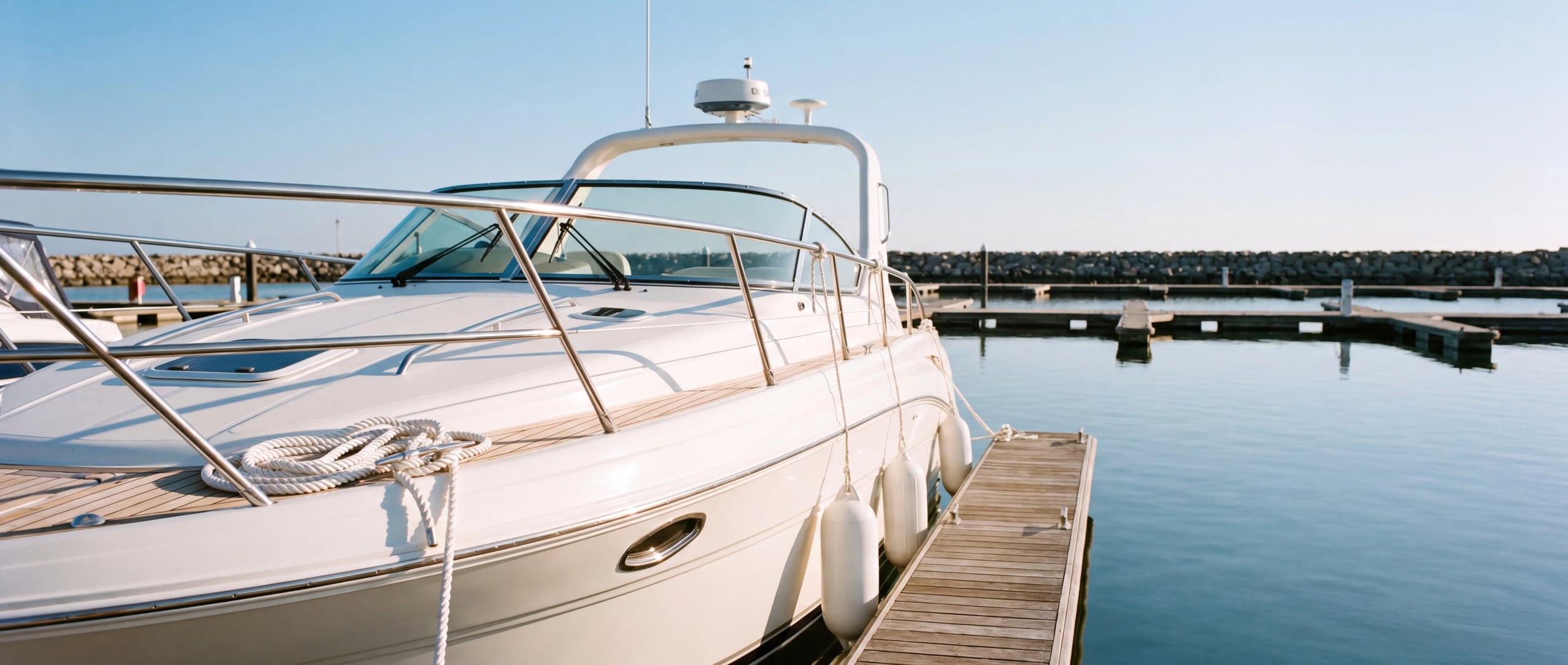
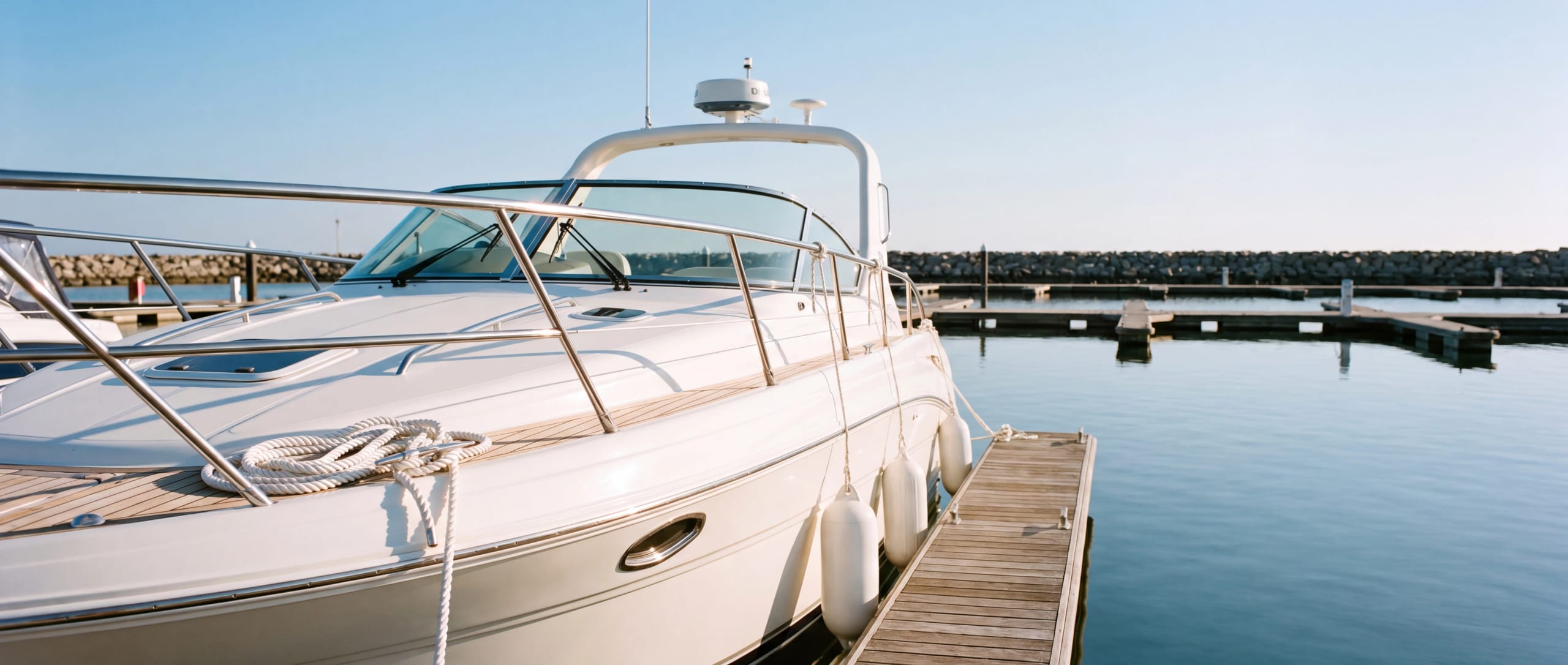
Think of it as a spectrum. At one end sits a trailerable runabout stored at home, modest in value, easy to inspect, easy to sell, and exposed to salt only on the days it is used. At the other sits a moored cruiser, larger in value, permanently in the water, needing berth or mooring arrangements, professional maintenance and periodic out-of-water inspection. Lenders read the two very differently, and marine finance policy reflects it.
How do lenders treat trailerable boats?
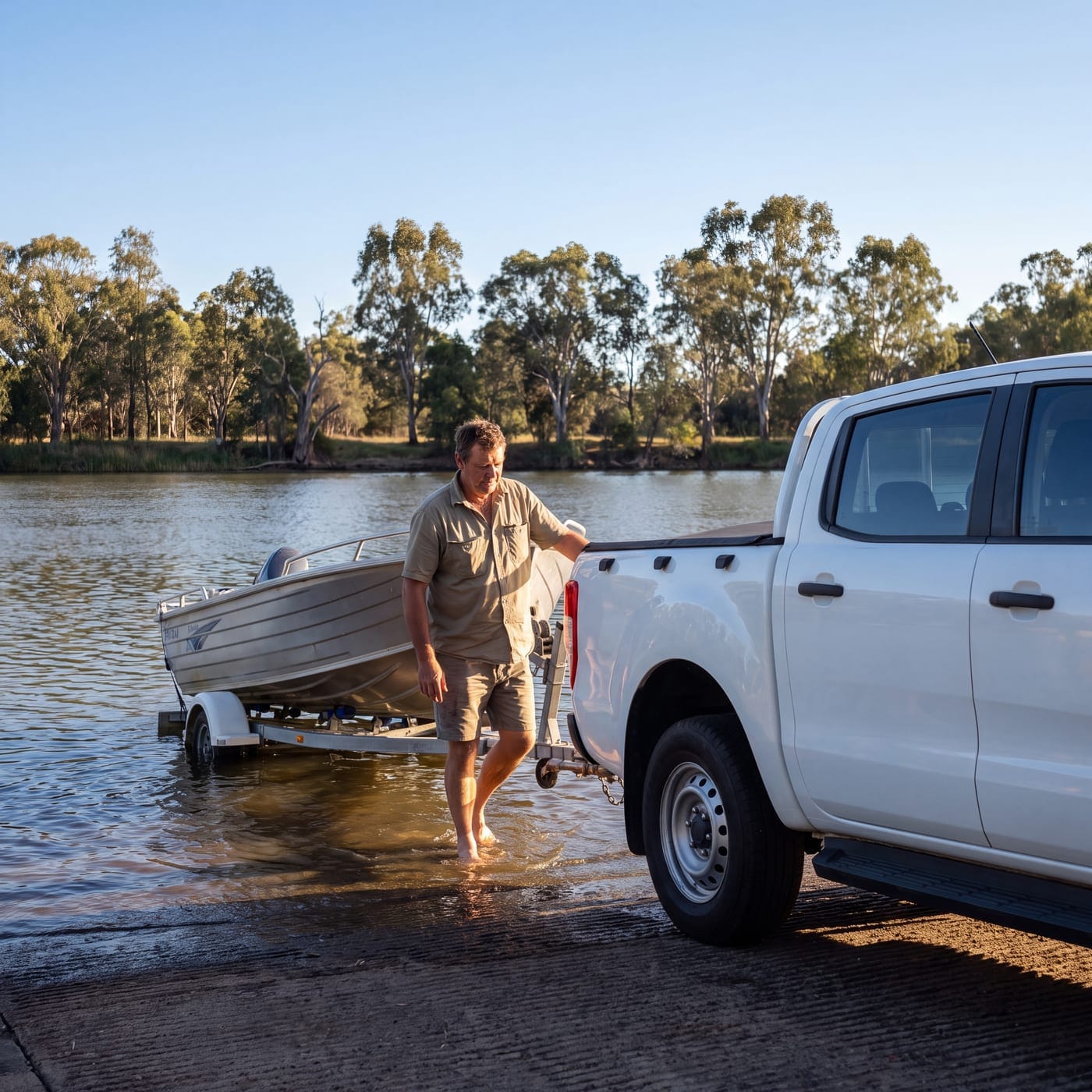
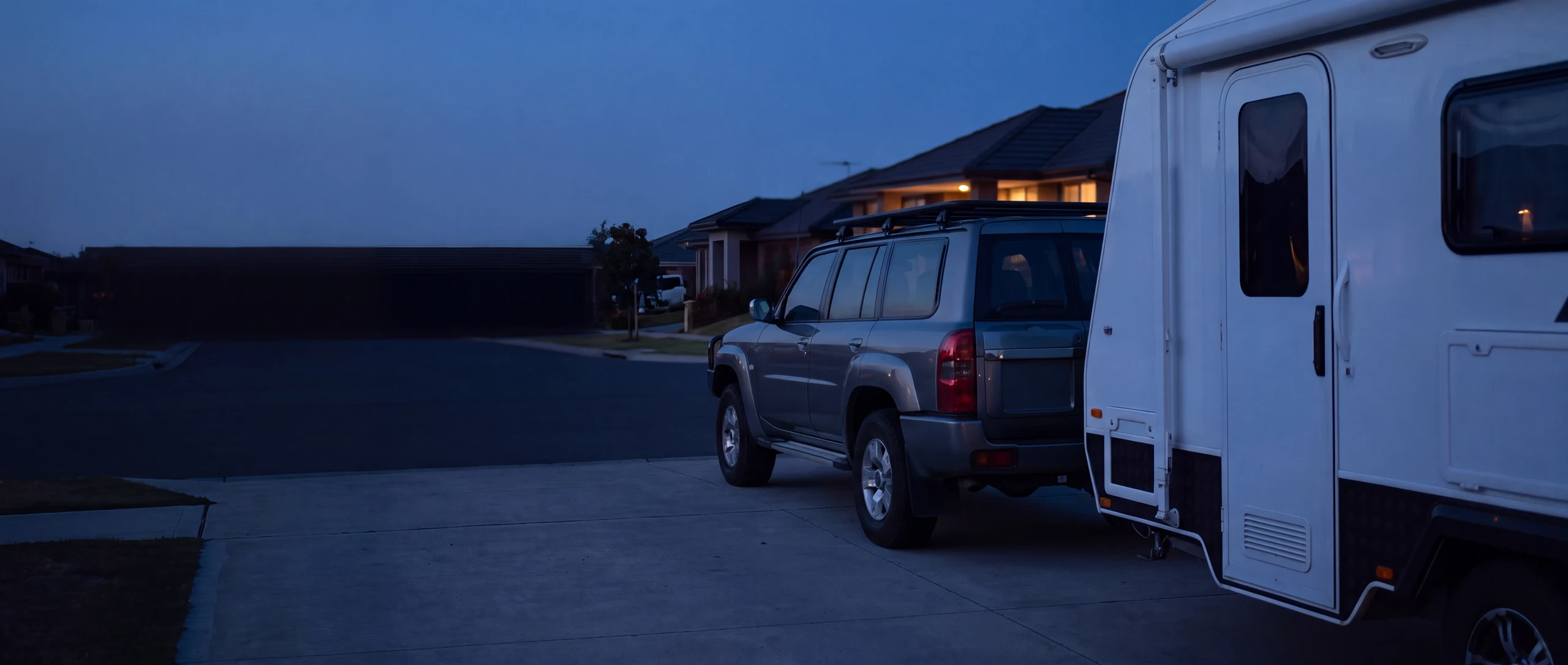
Trailer boats are the easy lane of marine lending. Values are well understood, the secondhand market is deep, and the asset can be stored off the water, which slows wear and supports resale value. Most lenders on the panel write trailerable new and used boats with assessment based on paperwork and price rather than physical inspection.
The trailer itself is part of the package and part of the security, with its own registration and identifiers. If you are buying privately, the encumbrance checks should cover hull, motor and trailer separately, which our guide on buying a boat privately covers step by step.
What changes when the boat lives on a mooring or berth?
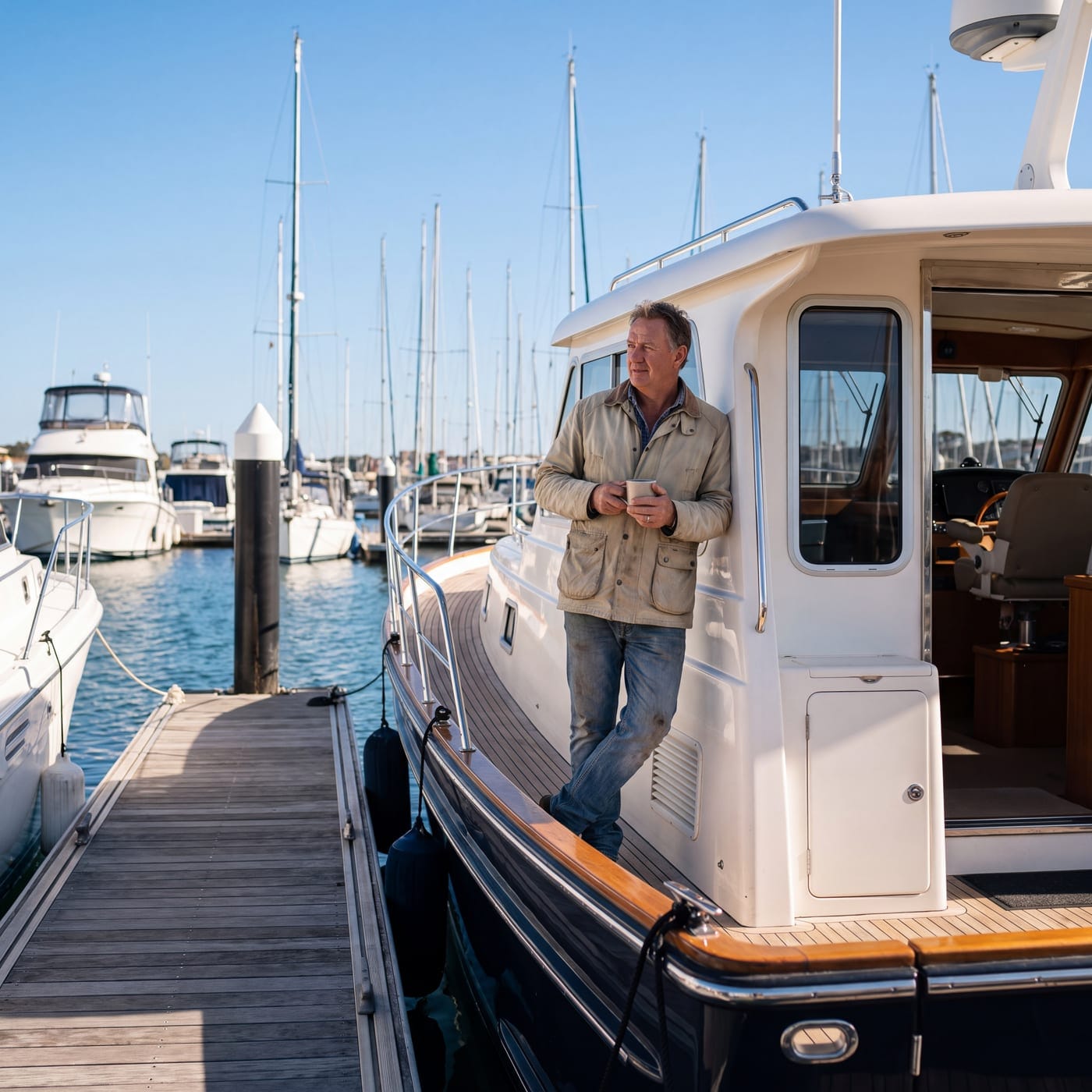
Scale, mostly. Moored and berthed vessels are usually larger and dearer, so loan amounts rise and lenders look harder at serviceability. The ongoing costs are material too, because berthing or mooring, routine antifouling, professional servicing and higher insurance all sit alongside the repayment, and a sensible assessment counts them.
The asset checks step up too. A vessel that lives in the water weathers faster than one on a trailer, so age and maintenance history carry more weight, and lenders more often want a valuation or survey before approving larger or older moored boats. None of this is a barrier. It is the market pricing the reality that a cruiser is a bigger commitment than a tinnie.
Ready to compare your options?
A broker searches the panel so you see what they can offer for your profile. Takes two minutes.
Get my quoteDo you need a marine survey for finance?
For most trailerable boats, no. Paperwork, price and identifiers carry the assessment. Surveys enter the picture as value, age and complexity rise, with larger moored vessels, older hulls, timber construction and anything unusual the common triggers, and requirements varying between lenders.
A survey is not just a lender hurdle. On a big vessel it is your best protection against buying someone else's deferred maintenance, because moisture in the transom, osmosis, tired rigging and engine issues all surface in a proper survey while they are still the seller's problem. If the lender requires one, treat it as due diligence you were wise to do anyway.
Insurance follows the same gradient. Full cover is a condition of any secured marine loan, and insurers may have their own survey and mooring requirements on larger vessels. Line up cover before settlement so it never becomes the last-minute hold-up.
How does resale value differ between the two?
Trailerable boats enjoy the deepest secondhand market in Australian boating. More buyers can own one, no berth is needed, and transport to the buyer is a tow bar away. That depth of buyers supports values and makes the sell-and-clear exit from a loan reliable.
Moored vessels sell into a smaller pool. Buyers need somewhere to keep them, surveys enter the negotiation, and time on market runs longer. Condition history dominates price. A cruiser with documented servicing, recent antifoul and a tidy survey holds value, while one with deferred maintenance is discounted hard, because the buyer prices the catch-up work.
For finance, the lesson is about matching the loan to the exit. The harder the asset is to sell, the more a conservative term or deposit earns its keep, so the debt never depends on a quick sale that moored boats rarely offer.
Which setup is right for you?
Be honest about your boating, not your ambitions. A trailer boat used most weekends beats a berthed boat used twice a season, on cost per hour on the water and on resale when you upgrade. Berthed boats reward the owners who actually use the convenience of walking aboard.
On the finance side, the decision is about totals. Price the full ownership picture, repayment plus berthing, insurance, maintenance and storage, and test it on the boat finance calculator with margin to spare. Then let one enquiry with Morella Finance compare how lenders across the panel treat the specific vessel you are weighing, because appetite for a moored cruiser and a trailerable bowrider can live at different lenders entirely.
Frequently asked questions
Ready to compare your options?
This guide is general information. When you are ready, see how it applies to your situation.
This guide is general information, not financial or credit advice. Consider your circumstances and check details with your broker or accountant.
Start here
Compare lenders in two minutes
No obligation, no impact on your credit score at quote stage. A broker will follow up with real options matched to your situation.
Step 1 of 3
What are you financing?
Select a finance type and tell us your loan amount.