
Car Finance
Secured vs Unsecured Car Loans Explained
By Joseph Nowland, Director and Senior Finance Broker · 15 July 2026 · 3 min read
Last reviewed 26 July 2026
The core difference
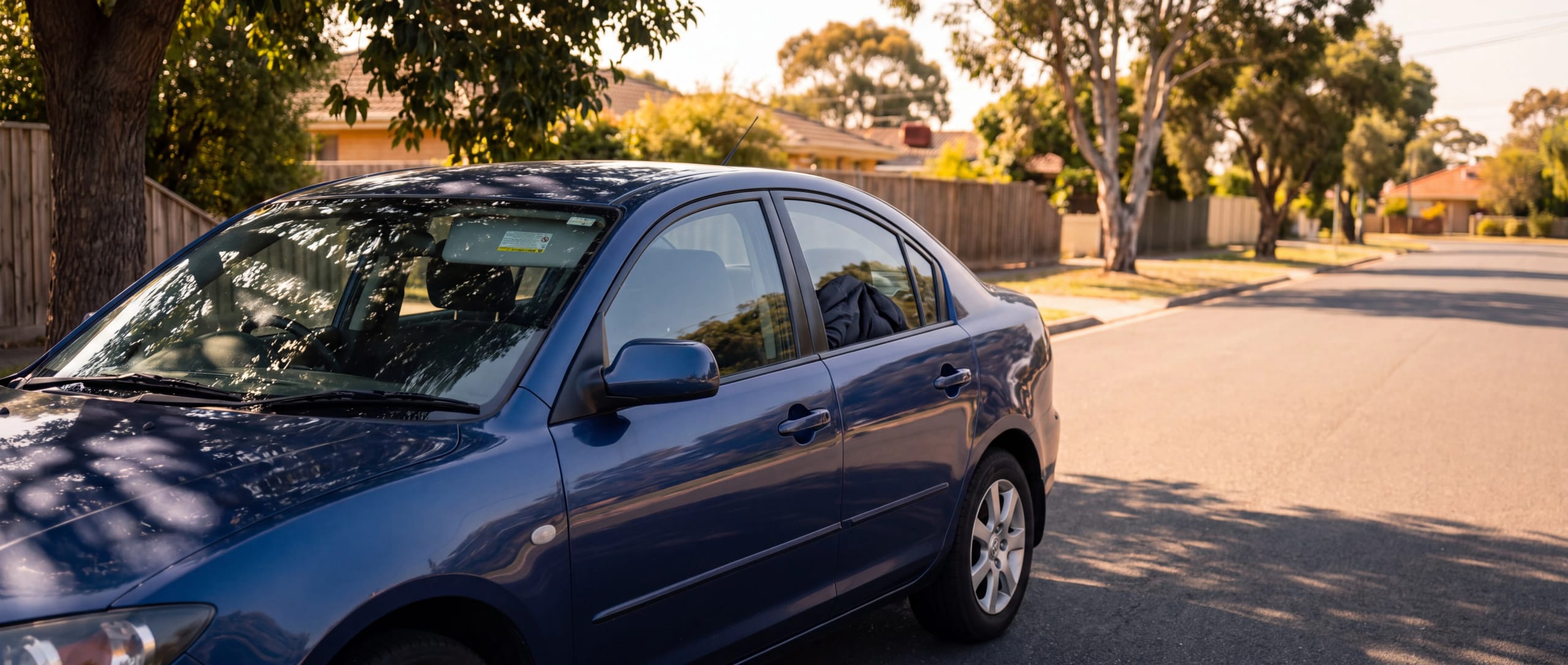
A secured loan uses an asset as security. If you stop making repayments, the lender can repossess and sell the asset to recover what is owed. The everyday example is a car loan, where the vehicle itself secures the debt.
An unsecured loan has no asset attached. If you default, the lender pursues you personally for the money rather than seizing a particular asset. Personal loans and some business loans work this way.
That one difference flows through everything else, from how the loan is priced to which lenders want the business.
Why secured loans are usually priced more competitively
When a lender holds security over an asset, its risk is capped. Even if the borrower defaults, the lender can recover value from the asset. Lower risk lets lenders price the loan more competitively, which is why secured lending is generally the cheaper structure.
How much cheaper depends on the lender and on your credit profile, and the gap between the two structures can be substantial over the life of a loan. Over five years on a typical car loan, the difference adds up to real money.
For purchases where security makes sense, such as vehicles, equipment and boats, a secured structure is almost always the better-value choice.

When unsecured loans make sense
Not every purchase has an asset to secure. Travel, home improvements, medical procedures and weddings leave nothing behind that a lender could repossess, so an unsecured personal loan is often the only structure on offer for them.
Some borrowers also choose unsecured deliberately. A buyer of an older vehicle might prefer not to have the car held as security, and accepts the trade-off in pricing in exchange for that flexibility.
Debt consolidation is another common use. Rolling several smaller debts into one unsecured loan can simplify your repayments and, depending on what you are consolidating, improve the overall position.

Ready to compare your options?
A broker searches the panel so you see what they can offer for your profile. Takes two minutes.
Get my quoteThe role of credit profile in both structures
On a secured loan the asset matters, but your credit profile still decides where you land within a lender's range. Two borrowers financing the same vehicle can walk away with quite different offers if their credit histories differ.
On an unsecured loan your credit profile carries even more weight, because the lender has nothing to fall back on. Strong credit opens up competitive unsecured options. Impaired credit can shrink the pool of willing lenders to a handful, or none.
That spread between the best and worst offer tends to be wider in unsecured lending than anywhere else, which is exactly where comparing the panel pays off.
Practical implications for your application
If you are buying a vehicle, equipment or another tangible asset, start from a secured structure. The pricing advantage is almost always worth it.
If you are financing something with no asset behind it, compare unsecured personal loan offers across the market rather than taking the first one. Offers vary substantially between lenders, and your credit profile determines which end of the range you can reach.
Either way, avoid applying to multiple lenders directly. Every formal application puts an enquiry on your credit file. A broker sends one set of information to the lenders most likely to say yes, which keeps your file clean while the comparison happens.
Ready to compare your options?
This guide is general information. When you are ready, see how it applies to your situation.


This guide is general information, not financial or credit advice. Consider your circumstances and check details with your broker or accountant.
Start here
Compare lenders in two minutes
No obligation, no impact on your credit score at quote stage. A broker will follow up with real options matched to your situation.
Step 1 of 3
What are you financing?
Select a finance type and tell us your loan amount.
Keep reading
Related guides
 New vs Used Car Finance: Which Should You Choose?Deciding between a new and used car affects more than the price tag. Here is what changes on the finance side and how to weigh up the two.
 When Does Refinancing Your Car Loan Make Sense?Refinancing an existing car loan can improve your position or ease your repayments. It is not always the right move, and here is how to tell.
 Car Finance 101: The Complete Guide for First-Time BuyersThinking about financing your next car? How a car loan actually works, what lenders look at, and how the process runs from enquiry to settlement.