
Car Finance
New vs Used Car Finance: Which Should You Choose?
By Joseph Nowland, Director and Senior Finance Broker · 15 July 2026 · 4 min read
Last reviewed 26 July 2026
How lenders see new cars differently to used ones
Lenders tend to view a new vehicle as a more predictable asset. Its value is known, everyone understands how it will depreciate, and the lender's security position is cleaner. More lenders compete for new car business as a result, and that competition works in the borrower's favour.
Used vehicles introduce variability. A five-year-old car with high kilometres is a different proposition to a new model of the same brand, and lenders assess it accordingly. How much difference this makes depends on the lender and the age of the car, which is exactly why comparing across a panel matters more for used vehicles than for new.
None of this means a used car is the more expensive choice overall. A well-bought used car at a lower purchase price can still cost you less in total repayments than a new model, even where the new car attracts more lender competition.
How lenders assess used vehicles
Most lenders set age and kilometre limits on the used vehicles they will finance. Common cut-offs are 15 to 20 years of age at the end of the loan term, or somewhere between 200,000 and 250,000 kilometres on the odometer. The limits vary a lot between lenders, which is one reason a broker comparison earns its keep on used cars.
Older and higher-kilometre cars may only fit specialist lenders. If the car you want is 9 or 10 years old, check lender appetite before you commit to the purchase price, not after.
Private sales add their own steps. Buying from a private seller rather than a dealership means the lender will usually want an inspection report and a clear Personal Property Securities Register (PPSR) certificate showing nothing is still owed against the car.
Loan-to-value ratio works differently too
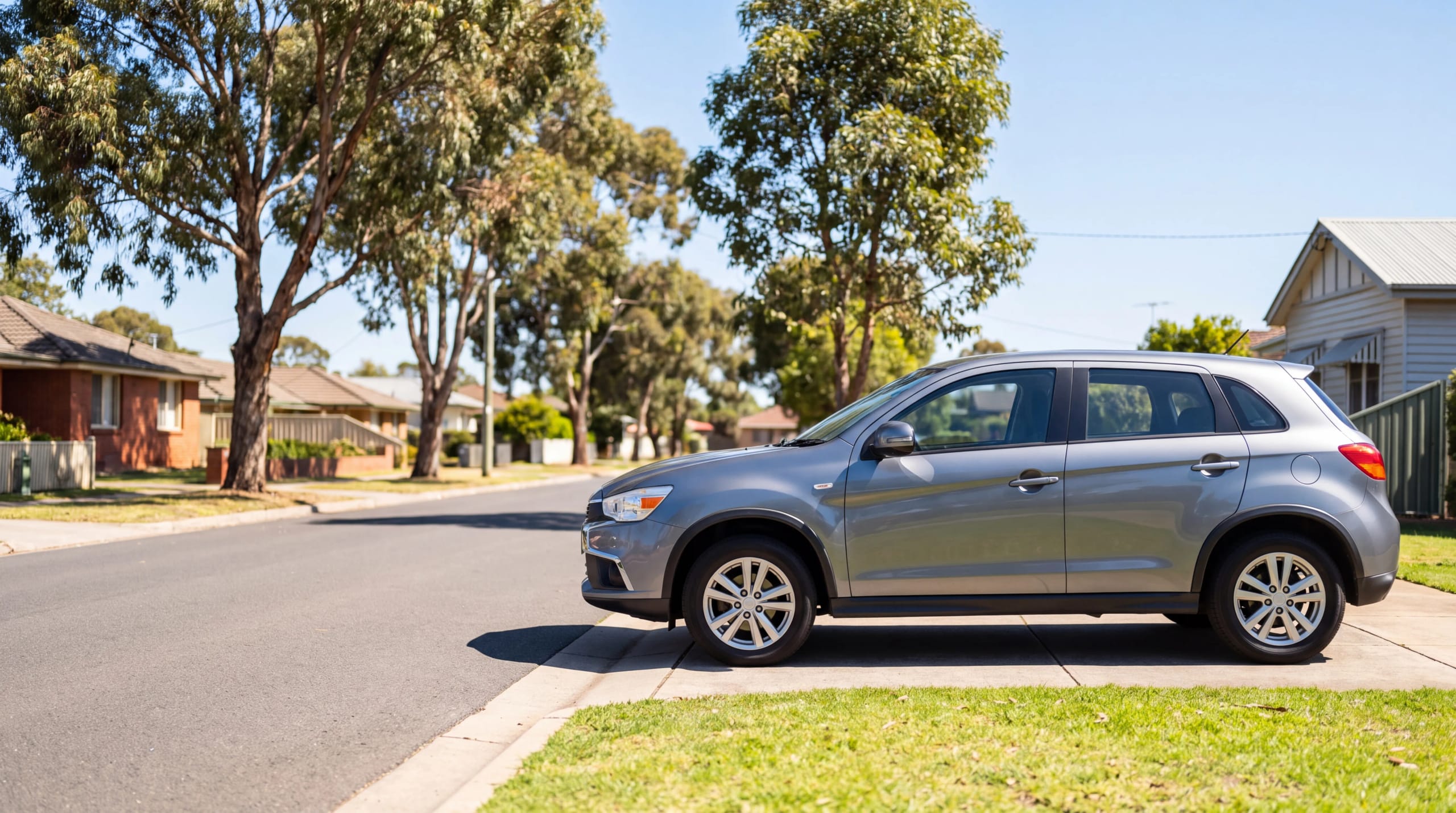
A loan-to-value ratio, or LVR, is the amount you borrow expressed as a percentage of the vehicle's value. On new cars, lenders are often comfortable lending the full purchase price and sometimes a little above it to cover on-road costs. On used vehicles they tend to set tighter limits.
Say you are buying a used car for $30,000 and the lender will only fund 90 percent of it. You need to find the other $3,000 yourself. A broker who knows each lender's LVR appetite can tell you which ones will fund the full amount and which will want a deposit, before you apply anywhere.
Ready to compare your options?
A broker searches the panel so you see what they can offer for your profile. Takes two minutes.
Get my quoteBalloon payments and their place in car finance
A balloon payment is a lump sum left owing at the end of the loan term. Because part of the principal is deferred to the end, your regular repayments are lower along the way. On a $50,000 loan over 5 years, a 20 percent balloon leaves $10,000 payable at the finish.
Balloons suit buyers who plan to sell or trade the car before the loan ends. If you upgrade every 3 to 5 years anyway, the balloon lines up with what you were going to do regardless. They suit long-term owners less, because when the term ends you either pay the lump sum or refinance it.
Not every lender offers balloons on consumer car loans, and some reserve them for business purchasers. Your broker will tell you which lenders offer the structure for your situation.
What actually affects your rate
The car's age is part of the picture. A new car typically attracts a lower rate than an older used one, because the lender is holding newer security with a longer usable life and a more predictable resale value.
That said, the offer you receive is driven mostly by your credit history, your employment situation and which lender the application lands with. A borrower with strong credit buying a used car can end up better placed than a borrower with a patchy file buying new.
So the levers worth pulling are the ones you control. Keep your credit file clean. Avoid firing off multiple loan applications in quick succession, since each one can put an enquiry on your file. And compare the market through one channel rather than applying directly to lender after lender.
Making the decision
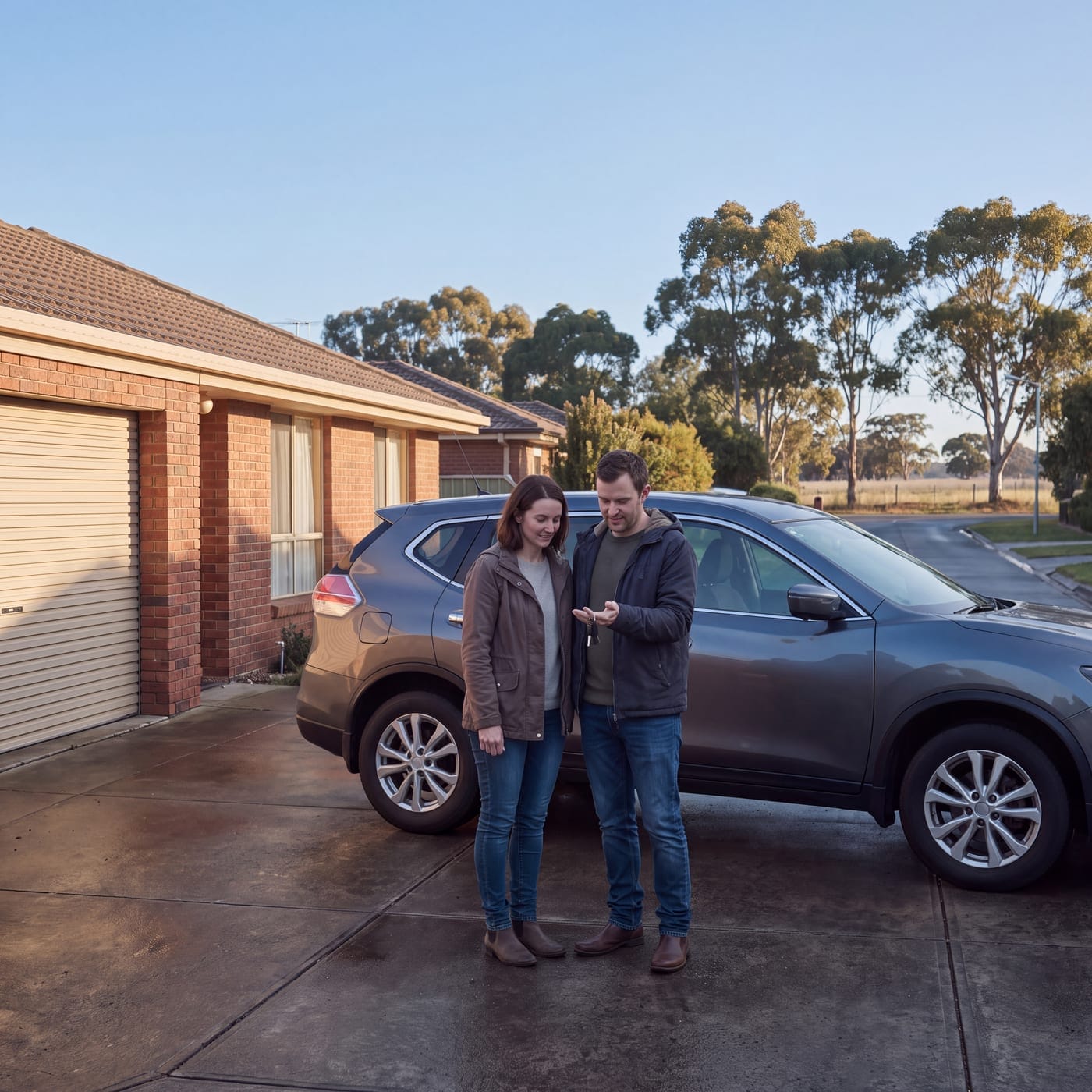
New versus used is a lifestyle and budget decision as much as a finance one. On the finance side alone, new vehicles open up more lenders and fewer eligibility hurdles. A used car can still be the better buy overall if you get the right car at the right price.
The smartest move either way is to sort the finance conversation before you commit to a car. Walking into a dealership, or replying to a private ad, already knowing what you can borrow puts you in a far stronger negotiating position.
Ready to compare your options?
This guide is general information. When you are ready, see how it applies to your situation.

This guide is general information, not financial or credit advice. Consider your circumstances and check details with your broker or accountant.
Start here
Compare lenders in two minutes
No obligation, no impact on your credit score at quote stage. A broker will follow up with real options matched to your situation.
Step 1 of 3
What are you financing?
Select a finance type and tell us your loan amount.
Keep reading
Related guides
 Secured vs Unsecured Car Loans ExplainedWhether a loan is secured or unsecured changes how lenders price it, which lenders will consider you and what happens if things go wrong.
 When Does Refinancing Your Car Loan Make Sense?Refinancing an existing car loan can improve your position or ease your repayments. It is not always the right move, and here is how to tell.Car Finance 101: The Complete Guide for First-Time BuyersThinking about financing your next car? How a car loan actually works, what lenders look at, and how the process runs from enquiry to settlement.