
Equipment Finance
Financing a Practice Fit-Out
By Joseph Nowland, Director and Senior Finance Broker · 18 July 2026 · 4 min read
Last reviewed 16 September 2026
How does practice fit-out and equipment finance work?
Setting up or upgrading a practice combines two kinds of spending. Equipment covers the chairs, imaging, sterilisation, diagnostic and treatment gear that does the clinical work. Fit-out covers the rooms, cabinetry, plumbing, IT and reception that the equipment lives in. Finance treats them differently, because equipment is an asset a lender can hold as security while a fit-out is largely built into someone else's building.
Equipment is commonly funded through asset finance structures such as the chattel mortgage, where the equipment secures its own loan, the same equipment finance machinery used across other industries. Fit-outs are funded through business term loans or specialist fit-out lending assessed on the practice rather than the asset. Most projects use both, arranged as one package through medical finance.
What medical equipment can be financed?
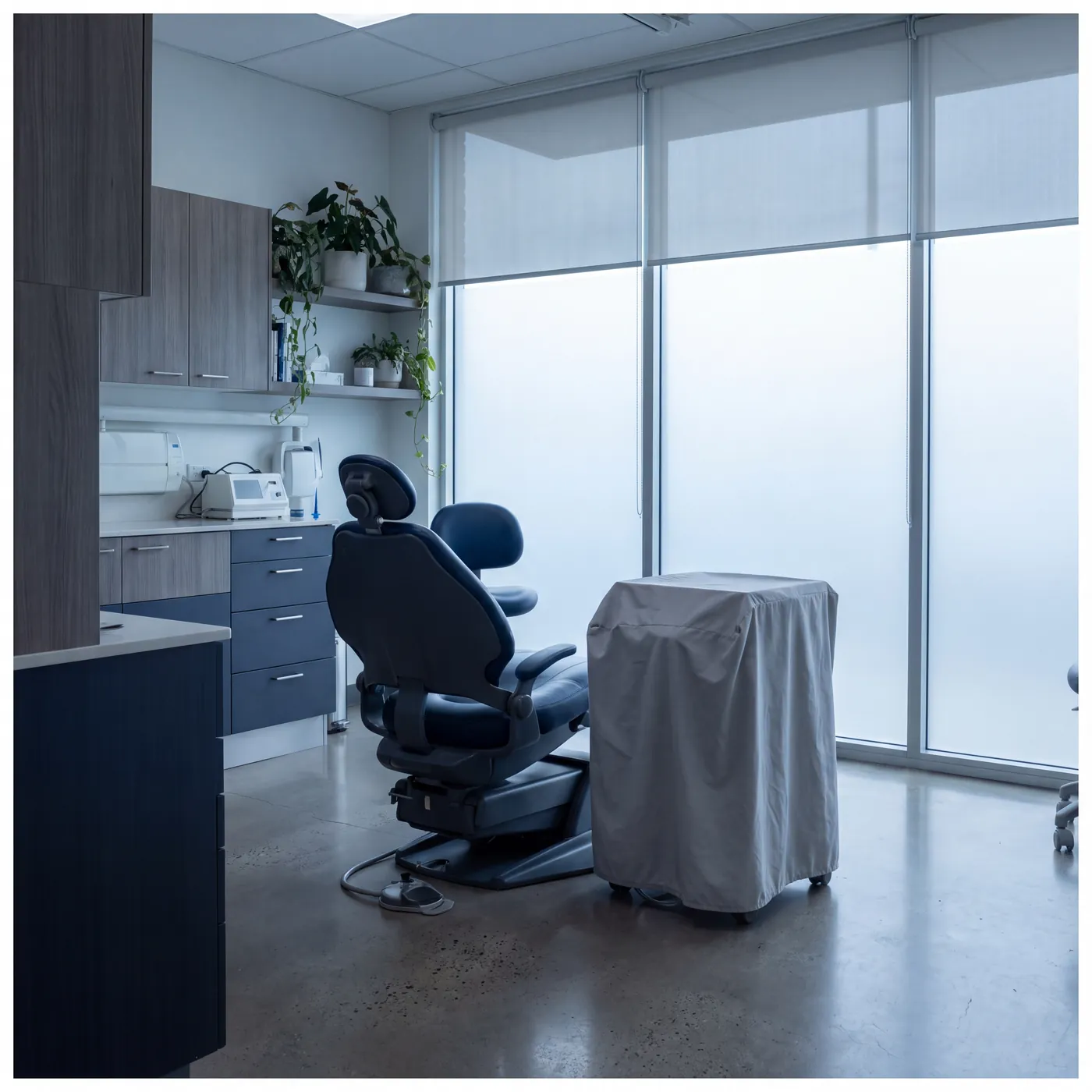
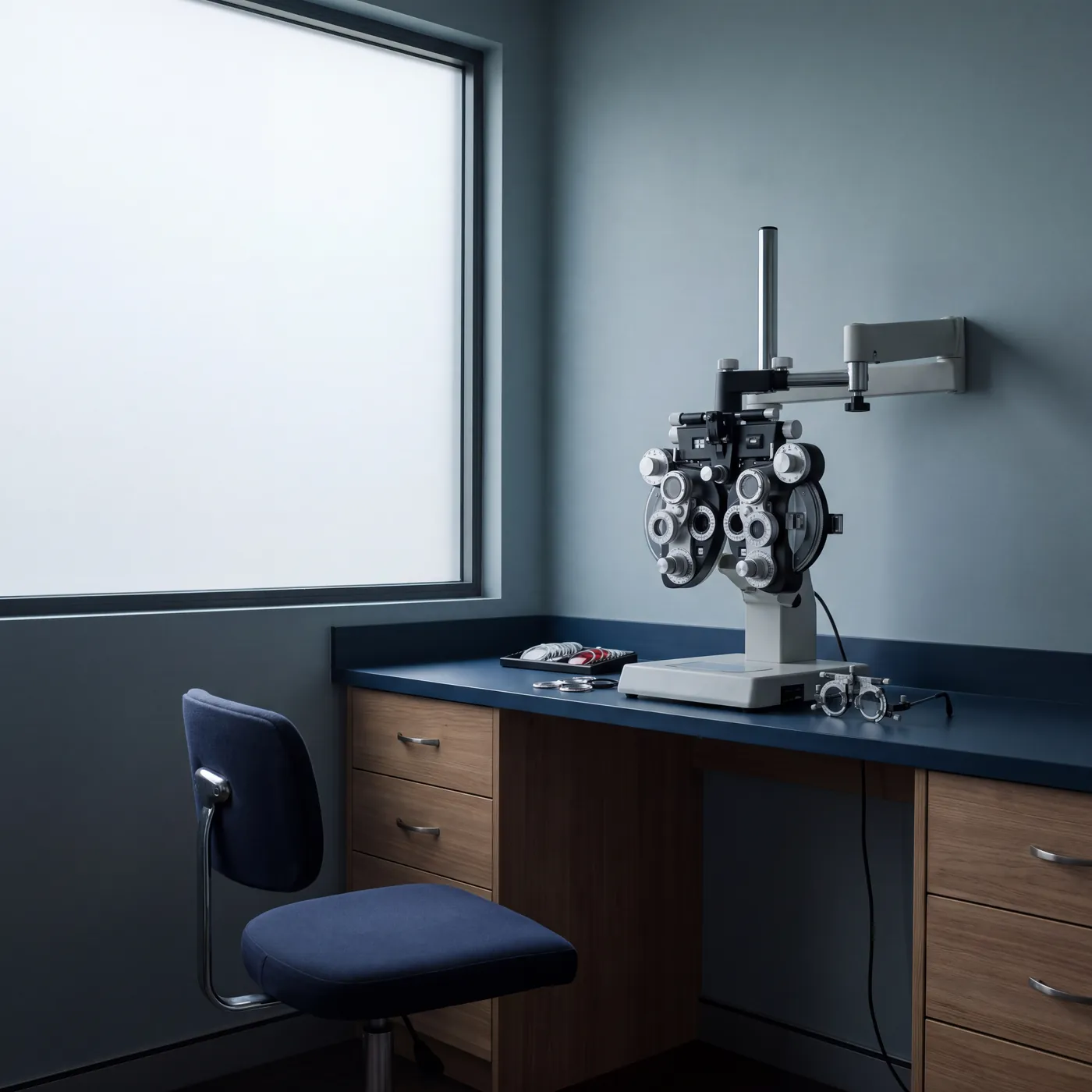
Essentially anything that earns its keep clinically. That includes dental chairs and surgeries, imaging from OPG units to ultrasound, pathology and diagnostic instruments, sterilisation and infection control systems, optometry and audiology equipment, veterinary surgical gear, and the practice management technology that runs the front of house. New equipment from dealers is the simplest lane, but quality used and ex-demonstration equipment is financeable too, assessed on age and condition.
Include the whole working cost when sizing the borrowing, because delivery, installation, calibration, training and initial consumables can often ride within the funded amount when they are on the invoice. Financing the machine but paying cash for everything that makes it usable is the common sizing mistake, and it surfaces exactly when the practice's cash is tightest.
How do lenders assess a fit-out or equipment application?
For established practices, the assessment runs on trading history, meaning financials, billings evidence and credit conduct, with the equipment itself strengthening the file where it holds value well. For new practices, lenders lean on the practitioner instead, weighing registration, specialty, experience, personal financial position and realistic projections, since the practice's own history does not exist yet.
Fit-out lending is assessed more conservatively than equipment lending because the security is weaker, which is why lenders look harder at the practice's fundamentals and often at the lease itself. A fit-out is only as durable as the tenancy it sits in, so lease length and terms become part of the credit picture. Director guarantees are standard across both. Our guide on equipment finance covers how asset lending is assessed more generally.
Ready to compare your options?
A broker searches the panel so you see what they can offer for your profile. Takes two minutes.
Get my quoteWhat structures and terms suit practice projects?
Match the term to the life of what is funded. Clinical equipment with a decade of service supports a multi-year term comfortably, while rapidly evolving technology suits shorter terms so the debt does not outlive the usefulness. Fit-out terms are commonly matched against the lease horizon, because repaying a fit-out after leaving the premises is the outcome everyone structures to avoid.
Repayment shaping matters for new practices. Some lenders can structure lighter early repayments while patient billings build, stepping up as the practice matures. Balloons appear on equipment finance where residual value supports them. Structure has tax and GST consequences that vary by arrangement, and those specifics belong with your accountant before documents are signed, not after. Business loan facilities often sit alongside for working capital through the opening months.
How should you stage a fit-out project financially?
Cost the whole project before borrowing for any of it, gathering builder's quotes, equipment pricing, compliance and certification, IT, signage and a contingency line, because fit-outs share renovation lending's talent for late-arriving costs. A single properly sized package beats a main loan followed by two scrambles for the overruns.
Sequence the borrowing with the project, so fit-out funding is drawn as building milestones fall due, equipment is settled near delivery and its repayments start close to when the gear starts earning, and working capital is held back for the months while billings build. Overlapping all three from day one means paying for an operating practice months before one exists. A broker and your project manager working from the same timeline keeps the money and the build aligned.

How do you arrange practice project finance well?
Assemble the file early. It should hold practice financials or, for startups, projections with the assumptions shown, plus the personal financial position, registration and CVs of the principals, the lease or heads of agreement, and quotes for the fit-out and equipment. Applications with the lease and quotes attached move materially faster because they answer the questions credit teams always ask.
Then compare across the lenders who actually fund healthcare projects, since appetite for fit-out lending varies widely and equipment policies differ on age and specialty. One enquiry with Morella Finance compares the package across a panel of lenders, structures equipment, fit-out and working capital as one coordinated arrangement, and manages the process while the practice gets built.
Frequently asked questions
Ready to compare your options?
This guide is general information. When you are ready, see how it applies to your situation.



This guide is general information, not financial or credit advice. Consider your circumstances and check details with your broker or accountant.
Start here
Compare lenders in two minutes
No obligation, no impact on your credit score at quote stage. A broker will follow up with real options matched to your situation.
Step 1 of 3
What are you financing?
Select a finance type and tell us your loan amount.
Keep reading
Related guides
 Chattel Mortgage Explained: The Complete GuideThe chattel mortgage is the workhorse of Australian business vehicle finance. How it works, who it suits, how balloons fit.
 Equipment Finance 101: The Complete GuideHow equipment finance works for Australian businesses, including what can be funded, the structures available and what lenders assess.
 Unsecured Business Loans 101: The Complete GuideHow unsecured business loans work in Australia, what lenders assess without asset security, what the funds can be used for and the obligations.