
Marine Finance
New vs Used Boat Finance Compared
By Joseph Nowland, Director and Senior Finance Broker · 18 July 2026 · 4 min read
Last reviewed 26 July 2026
How does financing a new boat differ from a used one?
Walk into a dealership for a new boat and nearly every marine lender on the panel wants the deal. The vessel has a known price, a full warranty and no history to question, so the finance conversation is mostly about you rather than the asset, and that competition hands new-boat buyers the widest run of terms and structures in the marine market.
A used boat changes the shape of the assessment. The lender wants to know how old the hull is, how hard the outboard has worked, whether the price lines up with the market, and whether the vessel has spent its life on a trailer or swinging on a mooring in salt water. None of those questions stop an approval. They simply decide which lenders will look at the boat and whether a valuation or inspection joins the process.
What age and engine-hour limits do lenders set?
Age caps are usually measured at the end of the term rather than the day you buy, and each lender draws the line in its own place. Fibreglass is forgiving here. A well-kept hull can pass policies that would knock back a vehicle of the same vintage, because gelcoat and glass age slowly when a boat is washed down and stored under cover.
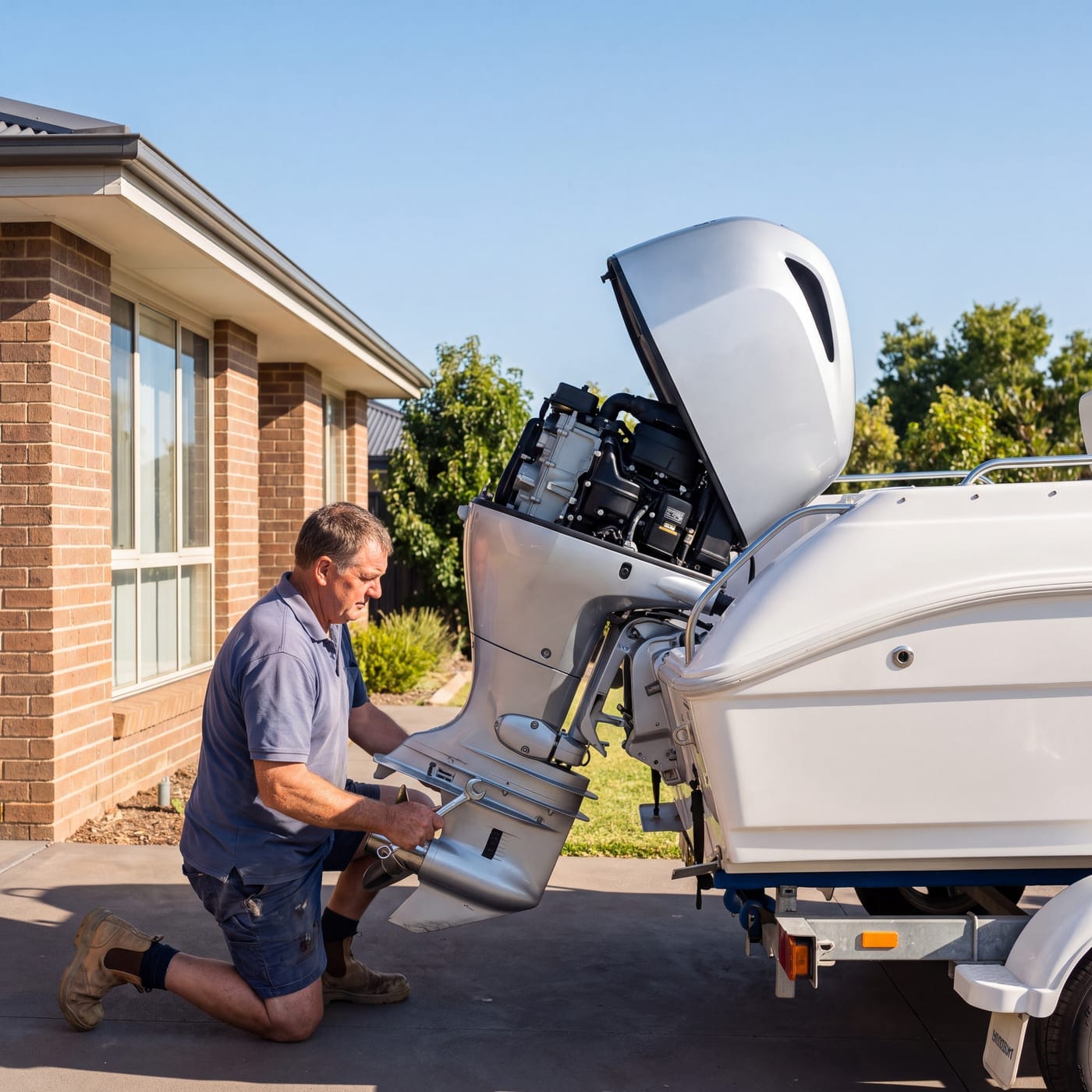
The engine tells its own story, and lenders read it separately from the hull. Hours on the outboard, the service record behind them, and whether the motor is original or a recent repower all shape how a used package is received. An older boat wearing a fresh four-stroke often presents better than a younger one dragging a neglected motor.
Timber hulls, ex-charter vessels and imports sit with specialists who weigh the individual boat on its merits. Fewer doors, not closed ones, and finding the right door is broker work rather than luck.
Does depreciation change the finance decision?
A new boat sheds value fastest in its first few seasons before the curve flattens out. Borrow the full price over a long term and there can be a stretch where the payout figure sits above what the boat would bring at sale. That only matters if life forces a mid-loan exit, and it matters a great deal precisely then.
Buy used and the previous owner has already absorbed that early drop. Salt exposure, mooring time and engine hours still move values around, but the starting point sits far closer to the market. Whichever way you buy, set the deposit and term so that selling the boat at any stage would roughly clear the debt, because keeping that true keeps every option open.
Ready to compare your options?
A broker searches the panel so you see what they can offer for your profile. Takes two minutes.
Get my quoteWhat about buying a used boat privately?
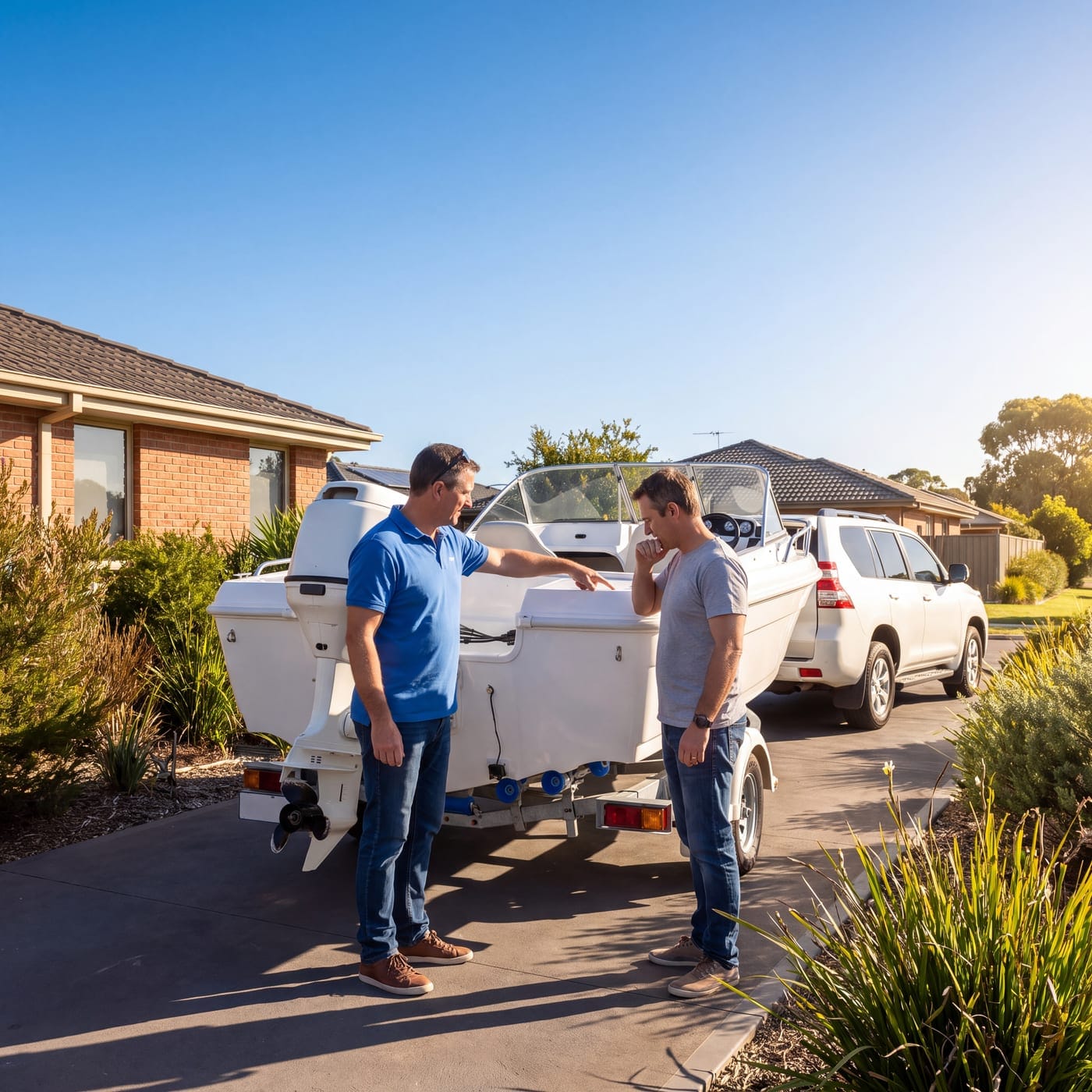
A large slice of the used fleet trades hand to hand, and lenders run private sale boat finance with extra verification built in. The hull identification number is confirmed, ownership is checked, an encumbrance search covers the boat, motor and trailer, and settlement pays the seller directly rather than trusting cash across a jetty.
Before you shake hands on a price, work through our guide to buying a boat privately. Agree the deal first, verify everything second, and only then let the money move. Buyers who keep that sequence rarely get burnt.
Are used boat loans harder to get approved?
Nothing about your own assessment changes between new and used. Income, outgoings and credit history carry the same weight either way. The extra care sits entirely on the asset side, where the lender wants the age inside policy, the price defensible, and on bigger or older vessels sometimes a survey or valuation before the yes.
Declines on used boats usually trace back to placement, not the borrower. A twelve-year-old half-cabin might sit outside one lender's rules and comfortably inside another's, so the buyers who struggle tend to be the ones who kept applying to the wrong lender and stacked enquiries on their file doing it.
How do you decide which is right for you?
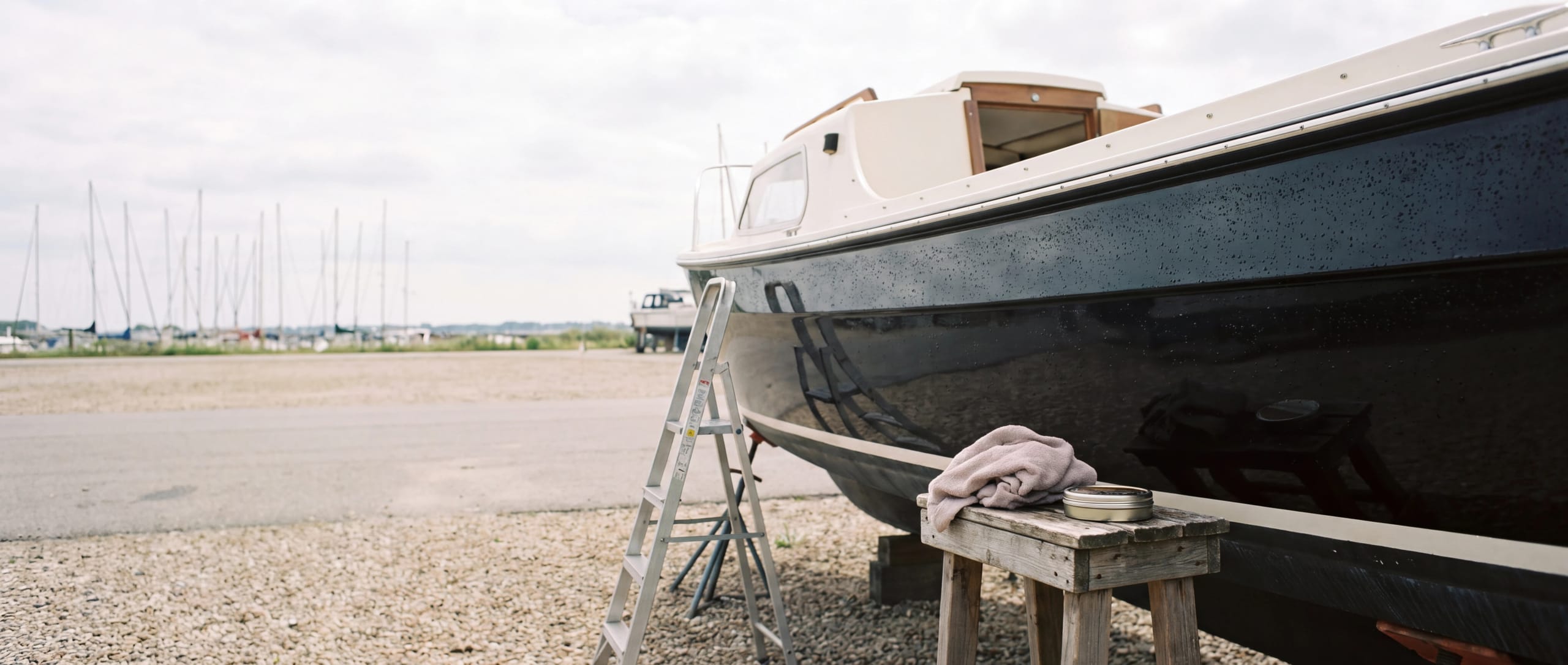
Let the boating decide before the finance does. Warranty cover, current electronics and a motor with no past argue for new. More boat for the money and a gentler value curve argue for used, provided a proper look over the hull and engine backs the price up.
Then put numbers on both. A cheaper used boat can mean a smaller loan over fewer years, which often beats the broader structures on offer for new stock. Model each scenario on the boat finance calculator, and let Morella Finance line the two options up across the lender panel through a single enquiry before you commit either way.
Frequently asked questions
Ready to compare your options?
This guide is general information. When you are ready, see how it applies to your situation.

This guide is general information, not financial or credit advice. Consider your circumstances and check details with your broker or accountant.
Start here
Compare lenders in two minutes
No obligation, no impact on your credit score at quote stage. A broker will follow up with real options matched to your situation.
Step 1 of 3
What are you financing?
Select a finance type and tell us your loan amount.
Keep reading
Related guides
 Boat Finance 101: The Complete GuideHow boat loans work in Australia, including what lenders assess, the documents you need and how the application runs from enquiry to settlement.
 Buying a Boat Privately: Finance, HIN and Encumbrance ChecksPrivate boat sales can be the best value on the water, but the finance runs differently. HIN checks, PPSR encumbrance searches, settlement.