
Caravan Finance
Motorhome vs Caravan Finance: What's Different?
By Joseph Nowland, Director and Senior Finance Broker · 18 July 2026 · 5 min read
Last reviewed 26 July 2026
Is a motorhome financed the same way as a caravan?
At the skeleton level the two loans match. Each is secured against the vehicle and repaid in instalments over an agreed term, so anyone who has followed a caravan loan already grasps a motorhome loan. The daylight between them opens up in how the asset is assessed, the size of the numbers and which lenders play.
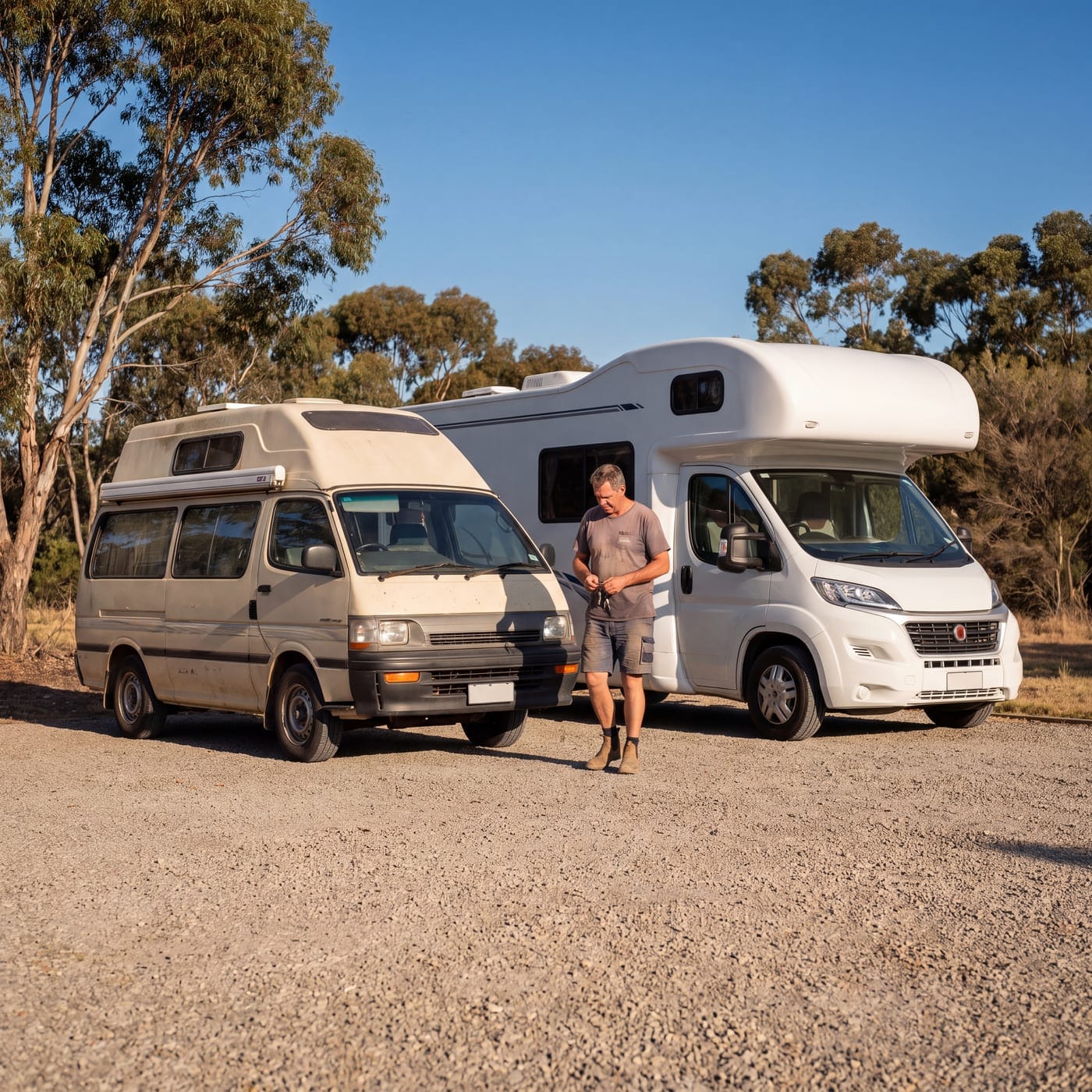
Think of a motorhome as a truck cab and a holiday home welded into one purchase. There is an engine, a gearbox and a mechanical service history sitting under the living quarters, so lenders treat it as a self-propelled vehicle, with different inspection expectations and often a different credit team on the file. A caravan carries no drivetrain, so it gets judged purely as a towed asset, on its chassis, build and condition.
Why do loan amounts and terms differ for motorhomes?
Price is the first divider. A new motorhome typically costs a long way beyond an equivalent caravan, since the drivetrain comes bundled with the accommodation. Borrowing more means lenders look harder at whether you can service the repayments, and it pushes more buyers toward longer terms or a balloon to keep the repayment workable.
Age policy lands differently too. Engine hours and kilometres matter on a motorhome the way they do on a truck, so a used motorhome that has done big distances gets weighed on mechanical condition as much as the year it was built. With a caravan, the age questions concentrate on the structure instead, the chassis, the seals and whether water has ever found its way into the walls.

Do registration and insurance requirements change the finance?
Registration splits the two cleanly. A motorhome holds motor vehicle registration in its own right, while a caravan is registered as a trailer behind your tow vehicle. Settlement checks follow that split, and so do running costs, since registering and fully insuring a motorhome usually costs more than the caravan equivalent, and lenders count those ongoing costs when they test serviceability.
Either way, have the insurance sorted before settlement day. Full cover on the financed asset is a standard lender condition, and the premium gap between the two platforms is big enough to shift what you can afford. Build both figures into the numbers you run on the caravan finance calculator before choosing a side.
Ready to compare your options?
A broker searches the panel so you see what they can offer for your profile. Takes two minutes.
Get my quoteWhich lenders finance motorhomes and campervans?
A large slice of the caravan panel writes motorhomes as well, though not all of it, and appetite moves with the vehicle's age, its price tag and whether a factory or a converter built it. A campervan converted by a professional outfit finds willing lenders readily. An owner-built conversion is a tougher sell, usually needing a specialist prepared to value the vehicle on its individual merits.
Few corners of asset lending reward lender selection as much as this one. Identical applications can fail at one desk and clear the next purely because the asset policies differ. One enquiry with Morella Finance tests appetite across the lender panel for the exact vehicle in question, be it a full motorhome, a campervan or a conventional towed van.
Can you finance a camper trailer or slide-on camper?
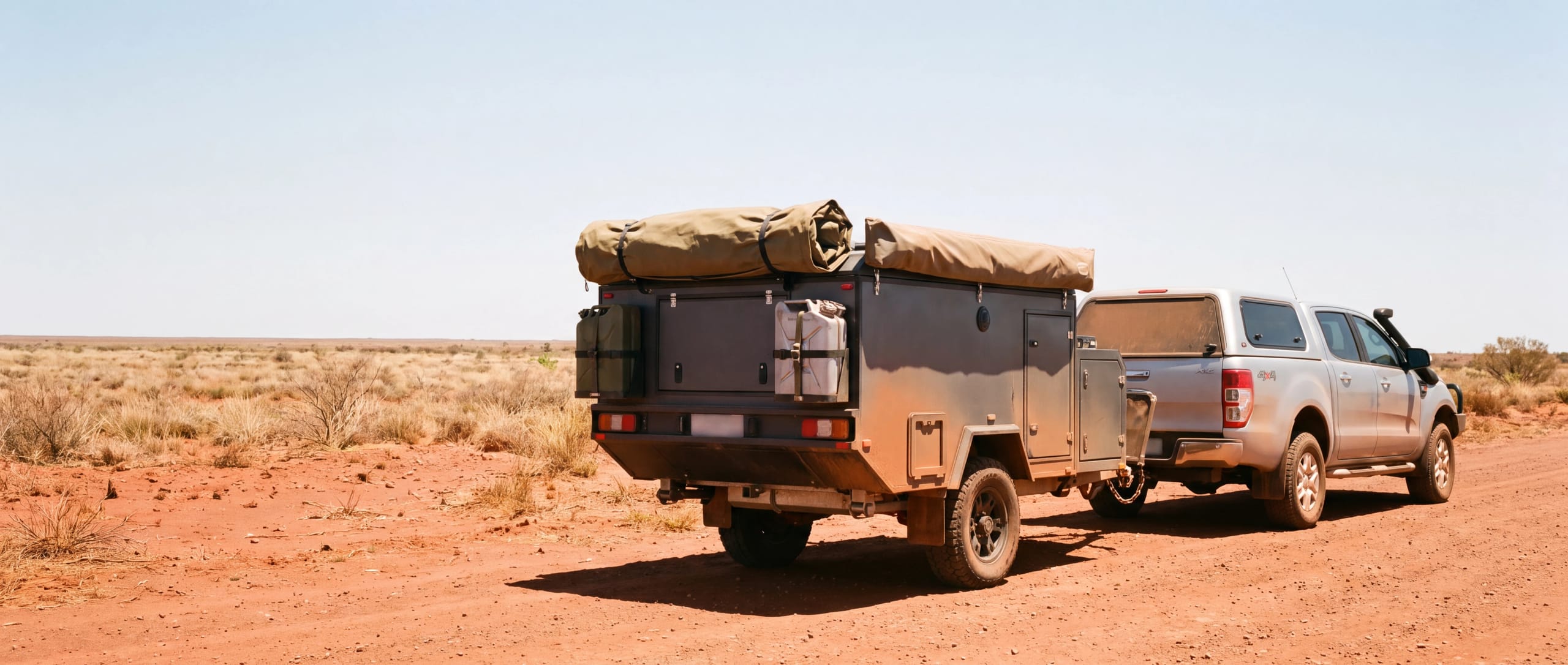
Camper trailers, mostly yes. They are treated the same way as a caravan, a registered towed asset held as security, facing the familiar age and condition questions at a smaller price. Hard-floor and hybrid models from established makers slot into standard policy without drama.
Slide-ons are where it gets awkward. A slide-on camper has no registration of its own and no wheels under it, so certain lenders will not accept it as standalone security, and the deal may need a different shape, occasionally wrapped in with the ute that carries it. The problem is solvable, but the solution varies by lender, so raise it in the first conversation rather than discovering it at settlement.
Apply the same thinking to everything on the category's edges, tiny homes on trailers, off-grid hybrids, privately imported vans. The stranger the asset, the more the result turns on picking the lender before the application goes anywhere.
How do you choose between the two?
Settle the lifestyle question before the money question. A motorhome does everything with one vehicle but has to be packed down every time you want milk from town, while a caravan stays set up at camp and frees the tow vehicle for day trips. Neither wins on paper.
Then compare total cost with clear eyes. More gets borrowed for the motorhome, but the caravan sum has to include what pulls it. If the van you want exceeds your current car's towing capacity, the tow vehicle upgrade belongs in the comparison, and suddenly the two budgets sit closer than the price tags suggest. For the structural choices common to both paths, our guides on loan terms and Caravan Finance 101 take it further.
Frequently asked questions
Ready to compare your options?
This guide is general information. When you are ready, see how it applies to your situation.



This guide is general information, not financial or credit advice. Consider your circumstances and check details with your broker or accountant.
Start here
Compare lenders in two minutes
No obligation, no impact on your credit score at quote stage. A broker will follow up with real options matched to your situation.
Step 1 of 3
What are you financing?
Select a finance type and tell us your loan amount.