Motorbike Finance
What Deposit Do You Need for a Motorbike Loan?
By Joseph Nowland, Director and Senior Finance Broker · 18 July 2026 · 4 min read
Last reviewed 26 July 2026
Do you need a deposit for a motorbike loan?
Not necessarily. Plenty of lenders finance the full purchase price for well-qualified borrowers, most readily on new bikes where the value is clean and predictable. Zero-deposit motorbike finance is a normal part of the market, not a promotion.
Whether it is available to you depends on the strength of the application and the bike. Solid credit, stable income and a newer machine support full financing. Older bikes, thin credit files and lightly documented self-employed applications are where lenders more often want a contribution toward the purchase.
How does a deposit change your bike loan?
A deposit shrinks the amount borrowed, which flows through everything, meaning smaller repayments, less interest over the term, and a balance that starts below the bike's value instead of chasing it down through the early depreciation years.
That last effect matters most on two wheels. New bikes take their sharpest value fall early, and a heavily optioned machine can shed value faster than the loan balance reduces. Full financing on a long term can leave a stretch where the debt exceeds what the bike would fetch, which only hurts if you need to sell mid-loan, but hurts badly then. A deposit closes the gap from day one and keeps the sell-and-clear exit open throughout.
Run your numbers with and without a deposit on the motorbike finance calculator and compare total amounts repayable, not just the monthly figures.
What counts as a deposit on a bike?
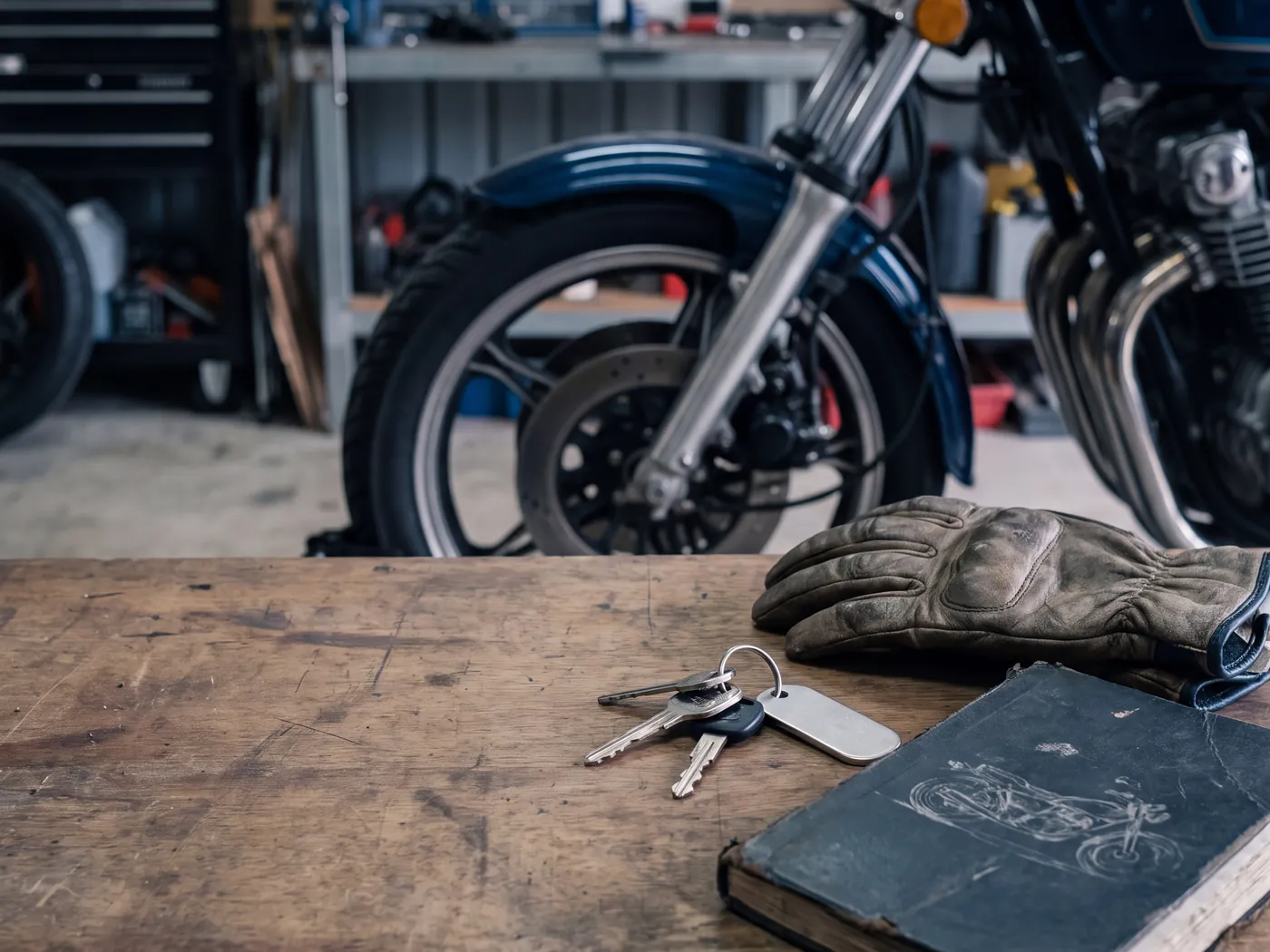
Cash savings, obviously, but trade-ins do the same job. Upgrading from an existing bike means its trade or sale value acts as the deposit on the next one, and equity in the outgoing machine often settles the deposit question entirely. If money is still owing on the old bike, the payout comes off the trade value and your broker nets it through the one application.
What the lender cares about is the net amount financed against the bike's value. Cash, trade equity or a mix all land identically in the assessment. Selling your old bike privately for a better price and using the proceeds works too. It just needs the timing managed so settlement on the new loan is not waiting on a buyer for the old one.
Ready to compare your options?
A broker searches the panel so you see what they can offer for your profile. Takes two minutes.
Get my quoteWhen is a deposit required rather than optional?
The common cases are older used bikes where policy caps how much of the price a lender will fund, credit files with recent blemishes where the contribution offsets risk, and some low-doc applications where documentation is light and the deposit does the reassuring.
Where a contribution is requested, ten to twenty percent covers most lender asks, but it is policy by policy rather than a universal rule, and the same borrower and bike can be full-financed at one lender and asked for a deposit at another. That makes this a matching question before it is a savings question.
Where does the deposit actually get paid?
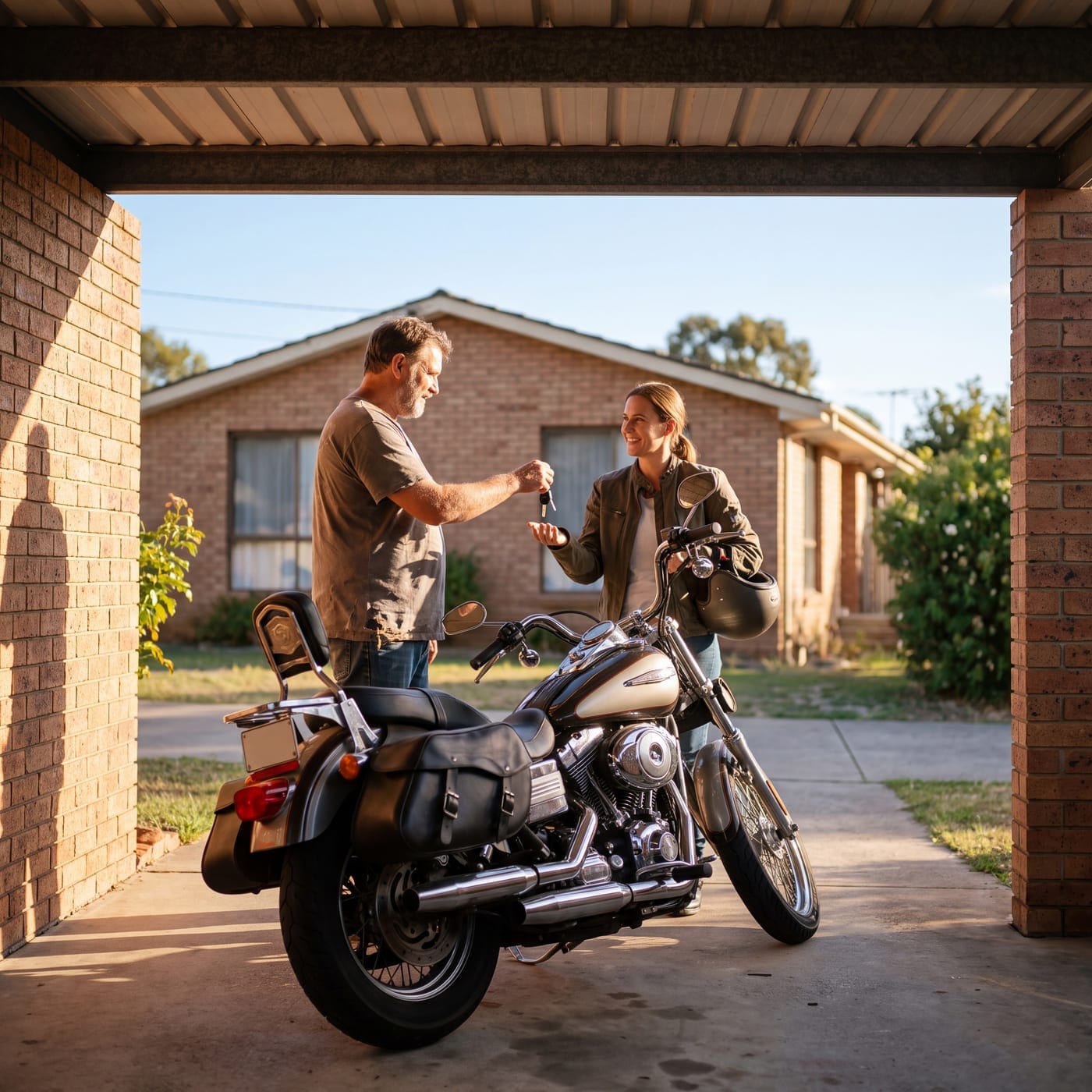
To the seller, not the lender. On a dealer purchase you typically pay a holding deposit to the dealer when you commit, and at settlement the lender pays the balance. Your contribution simply reduces what the lender sends. Private sales work the same way, with your deposit and the lender's funds both reaching the seller through the documented settlement process.
Keep the trail clean. Pay by transfer rather than cash, get a receipt naming the bike and VIN with the amounts, and make sure the contract or invoice shows the full price and deposit paid. The lender reconciles those figures at settlement, and tidy paperwork keeps that step instant.
One caution worth repeating is to pay holding deposits after pre-approval, not before, and confirm refund terms in writing in case the bike fails an inspection or an encumbrance check.
How should you decide what to put down?
A deposit is not automatically virtuous. Cash locked in the bike is cash unavailable as a buffer, and riding comes with its own running costs. Gear, tyres, servicing and insurance all arrive on their own schedule. If full financing is available on terms you are happy with, keeping your reserves in cash can be the smarter position, particularly for self-employed riders with variable cashflow.
The clean way to decide is to get pre-approved and see what the market offers you at zero, ten and twenty percent down, with real numbers rather than rules of thumb. One enquiry with Morella Finance compares your options across the panel and shows how each deposit level moves the repayment and the total repaid. For the wider context on how the whole loan fits together, start with Motorbike Finance 101.
Frequently asked questions
Ready to compare your options?
This guide is general information. When you are ready, see how it applies to your situation.

This guide is general information, not financial or credit advice. Consider your circumstances and check details with your broker or accountant.
Start here
Compare lenders in two minutes
No obligation, no impact on your credit score at quote stage. A broker will follow up with real options matched to your situation.
Step 1 of 3
What are you financing?
Select a finance type and tell us your loan amount.