Motorbike Finance
Secured vs Unsecured Motorbike Loans Explained
By Joseph Nowland, Director and Senior Finance Broker · 18 July 2026 · 4 min read
Last reviewed 26 July 2026
What is the difference between a secured and unsecured bike loan?
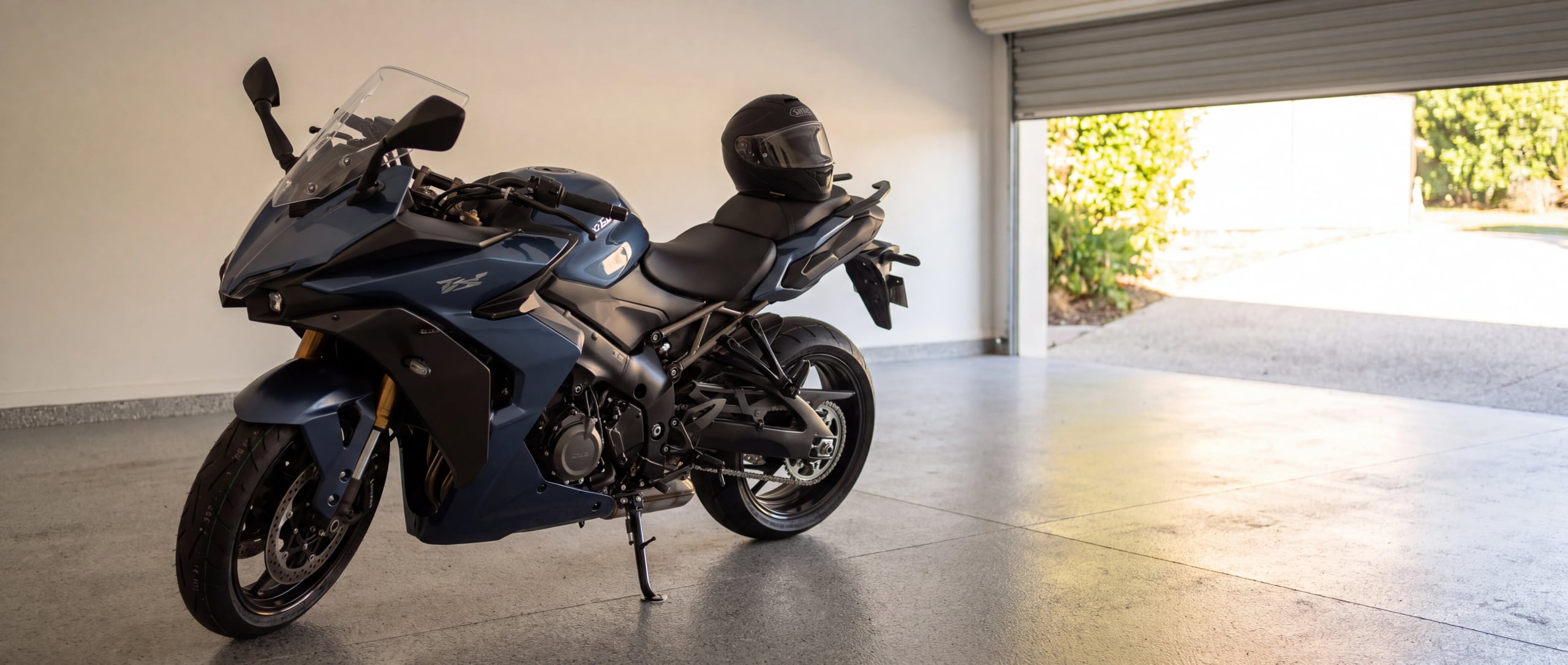
A secured motorbike loan uses the bike as security. The lender registers a security interest against it, and if repayments stop, the lender can repossess and sell the bike to recover the debt. An unsecured motorbike loan has no asset attached. The lender relies on your promise to repay and pursues you personally if you default.
That single difference flows through everything else, from which lenders will write the loan and how they assess it, to what conditions attach to the bike and how flexible the structure is around the machine itself.
How does a secured motorbike loan work?
The lender's interest is registered on the Personal Property Securities Register against the bike's identifiers, and it stays there until the loan is repaid. Full insurance cover is normally a condition of the loan, because the lender needs the security protected against theft and damage for the life of the debt.
The bike has to qualify as acceptable security, which is where age, type and registration status enter the assessment. A current-model registered road bike passes nearly every lender's policy. Older machines, unregistered dirt bikes and heavily modified bikes fit fewer secured policies, and the loan term can be capped by the bike's age at the end of it.
When you eventually sell, the loan is paid out, the registration is discharged and the bike passes to the buyer unencumbered. That sell-and-clear exit is clean provided the sale roughly covers the balance, which is worth checking at any point in the loan.
When does an unsecured motorbike loan make sense?
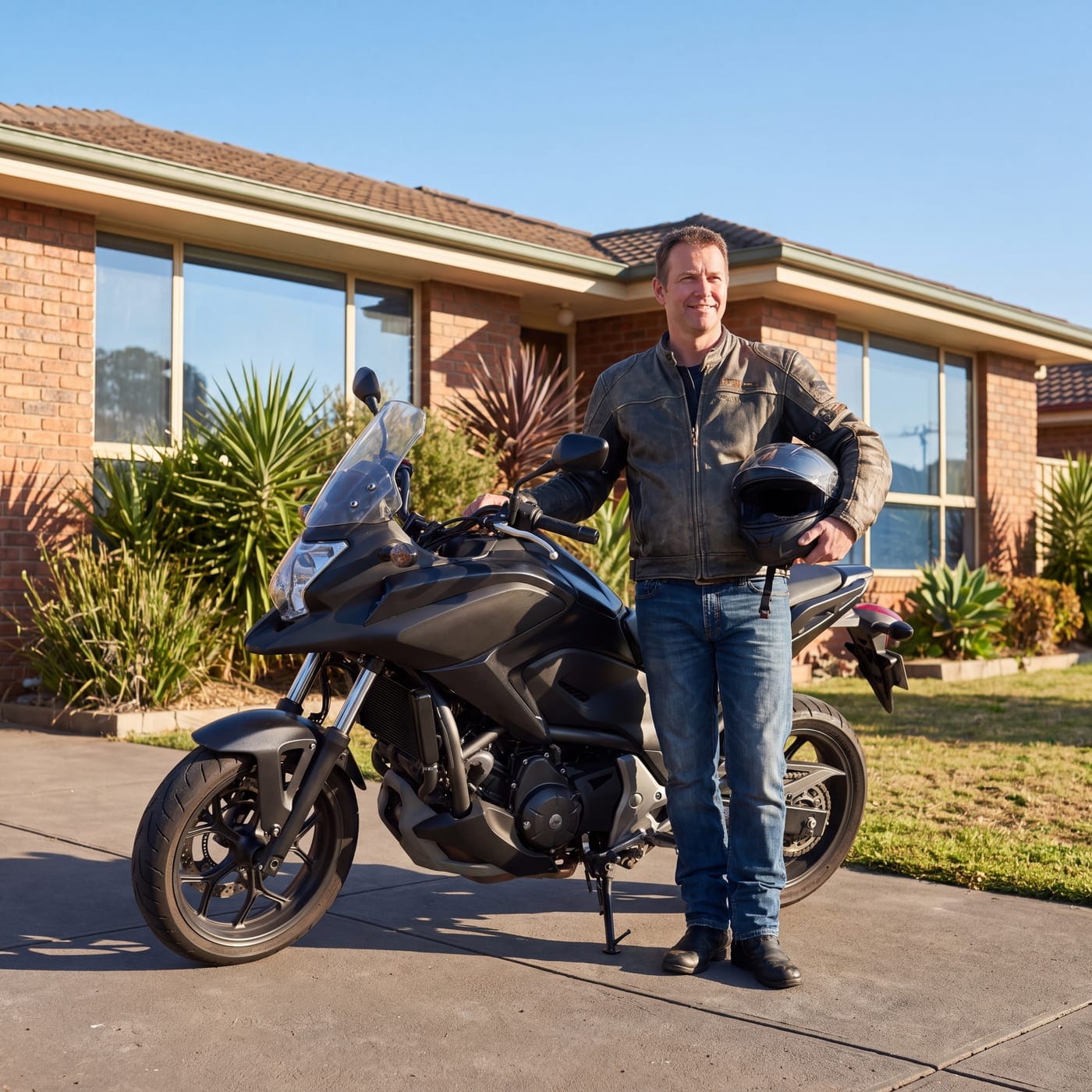
When the bike does not suit a secured structure. Very old machines, project bikes, some grey imports and unregistered off-road bikes can fall outside secured lending policy entirely, and an unsecured personal loan finances them without the asset needing to qualify.
When you want the bike unencumbered from day one. Some riders prefer no security interest over the machine and accept the trade-offs for the flexibility that comes with it, meaning no insurance conditions tied to the loan, no encumbrance to discharge at sale, and freedom to modify or sell whenever they choose.
And when the purchase is mostly not the bike. A gear-heavy purchase, or a bike plus training and licensing costs, can suit an unsecured structure where a secured loan would only want to fund the machine itself. Our guide on financing gear and accessories covers where that line sits.
Ready to compare your options?
A broker searches the panel so you see what they can offer for your profile. Takes two minutes.
Get my quoteHow do lenders assess each structure differently?
On a secured loan, the assessment splits between you and the bike, with your income, expenses and credit file on one side and the machine's age, value and type on the other. The security gives the lender a defined fallback, and policy is built around keeping that fallback sound.
On an unsecured loan, everything rests on you. Your credit file and income carry the full weight of the decision, which makes the strength of your file the deciding factor in what the market offers, as our guide on how your credit score affects motorbike finance explains. Borrowing amounts also tend to be assessed more conservatively without an asset behind the loan.
Neither structure is a shortcut. They are different tools, priced and assessed by each lender on its own policy, and the right one depends on the bike, the amount and your file.
Which structure suits your situation?
If you are buying a registered bike of financeable age, a secured loan is the natural starting point. The widest slice of the motorbike finance market is built for exactly that purchase, and the structure keeps the loan and the asset aligned.
If the bike falls outside secured policy, or the flexibility of an unencumbered machine matters enough to you, unsecured lending fills the gap. The practical answer is rarely a matter of principle. Run your actual bike, amount and file against the market and see what each structure returns. One enquiry with Morella Finance compares both paths across the panel, with repayments you can sanity-check on the motorbike finance calculator first.
Can you change structures after the loan starts?
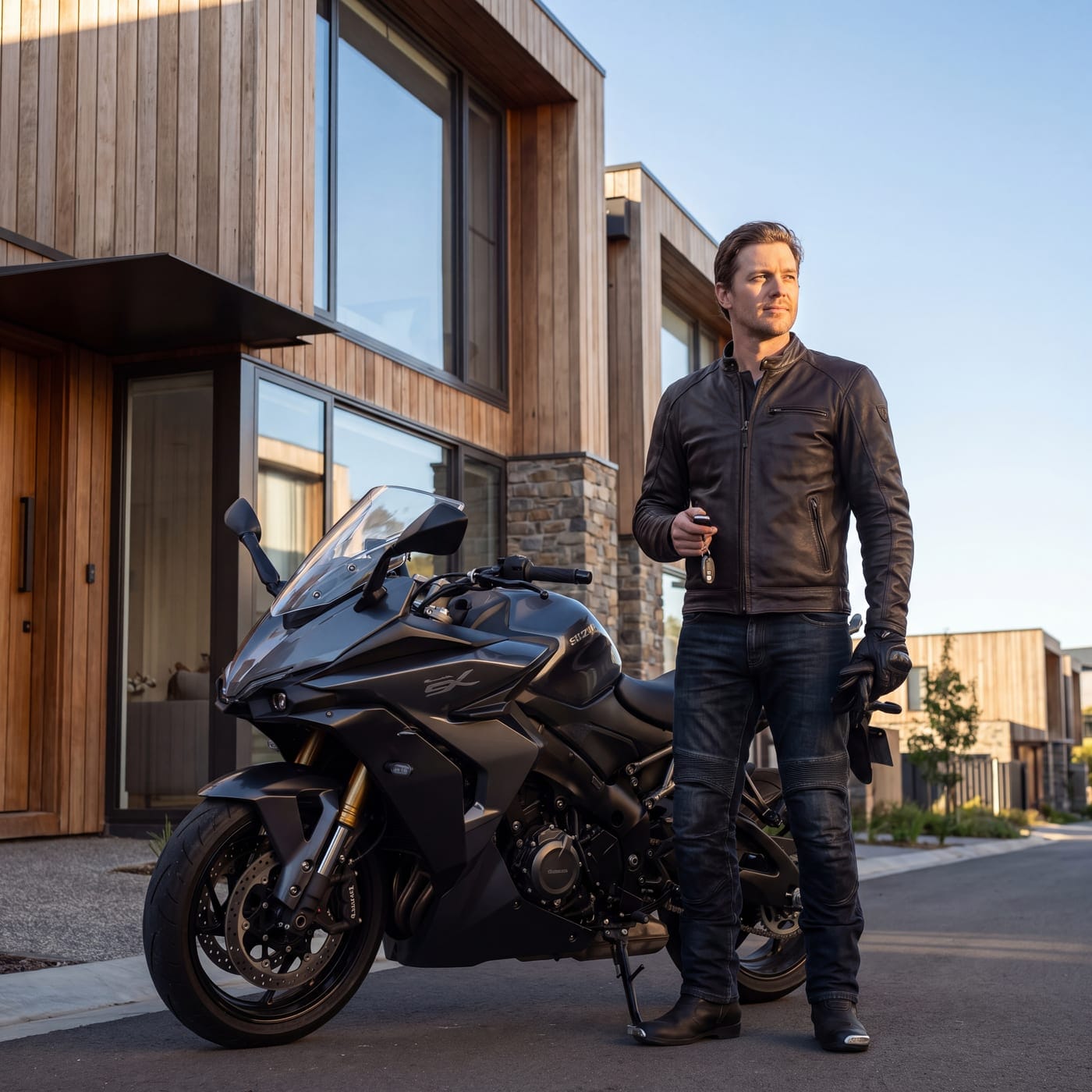
Yes, by refinancing. A rider who financed an older bike unsecured can later refinance, and one who wants a secured loan cleared early to sell or modify the bike can restructure the other way. The new loan pays out the old one and the security arrangements change with it.
The common triggers are a credit file that has healed, a bike being upgraded, or repayments that need room to move. Our guide on when to refinance your motorbike loan covers the timing, and the comparison itself does not touch your credit file.
Frequently asked questions
Ready to compare your options?
This guide is general information. When you are ready, see how it applies to your situation.


This guide is general information, not financial or credit advice. Consider your circumstances and check details with your broker or accountant.
Start here
Compare lenders in two minutes
No obligation, no impact on your credit score at quote stage. A broker will follow up with real options matched to your situation.
Step 1 of 3
What are you financing?
Select a finance type and tell us your loan amount.