
Marine Finance
Boat Finance for Self-Employed Buyers
By Joseph Nowland, Director and Senior Finance Broker · 18 July 2026 · 5 min read
Last reviewed 26 July 2026
Why is self-employed income assessed differently?
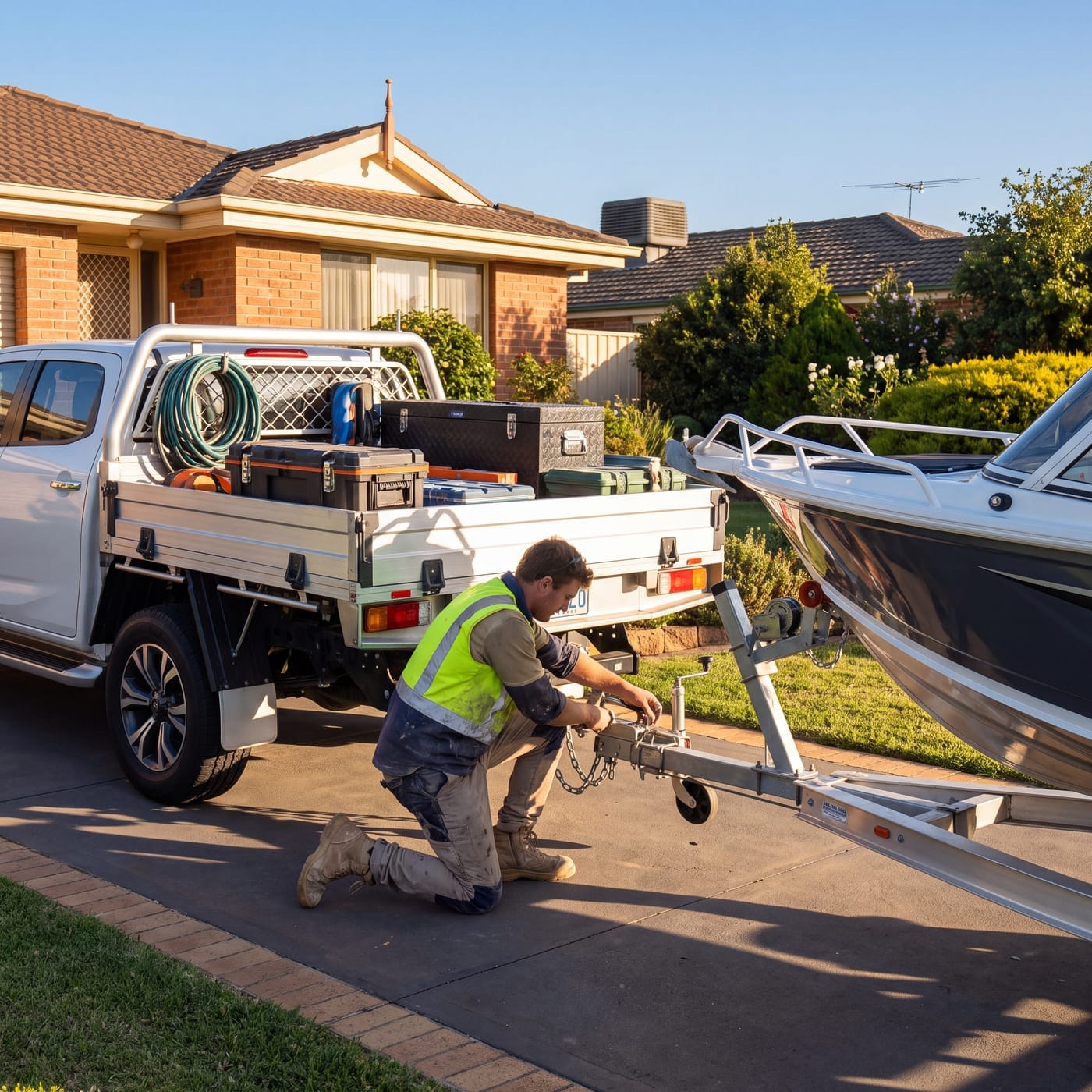
Boat buyers are disproportionately people who work for themselves. Tradies with the ute and the tinnie, farmers, business owners, charter operators winding down toward retirement. Marine lenders know the profile well, which is why marine finance carries established paths for income that never arrives as a payslip.
The problem is how the income is read, not whether there is enough of it. A lender's default assessment expects fortnightly pay and a tidy PAYG summary, while a business owner's income lands in lumps, gets ploughed back into the operation, and is often trimmed on paper by deductions that are perfectly legitimate and still shrink the number a bank sees. The money to service a boat loan can be there in force and simply not show through that lens.
What documents will lenders accept from ABN holders?
Where your returns are up to date and the income reads consistently, the full-doc route treats you like any other applicant. Two years of tax returns, sometimes the business financials alongside them, and the whole mainstream panel stays in play.
The picture changes when the returns are behind, the business has grown since the last lodgement, or deductions have flattened the taxable figure. That is where low-doc boat finance picks up the file, and for most applicants the paperwork shrinks to a driver's licence, front and back. A few months of bank statements enter the conversation only when the ABN is younger than 6 months. Because policy varies so much lender to lender, the real work becomes deciding where the application goes.

How does low-doc boat finance actually work?
Assessment shifts from your tax paperwork to the ABN behind you. Is it active, how long has it traded, and does your work history flow into it. For an owner whose returns legally understate a healthy business, that is usually the fairer measure.
Nothing else about the loan changes shape. The vessel secures the debt, repayments run over an agreed term, and the usual marine rules on hull age and vessel type still apply. A deposit or other assets behind you add strength without being demanded, and with so little to verify, clean files tend to move fast.
How long does your ABN need to be registered?
Twelve months of registration satisfies most of this market, and twenty-four opens practically all of it. Sit inside that band and the options are wide and the questions few.
A younger ABN shortens the list without emptying it. The lenders still willing look for offsetting strength, perhaps a deposit, clean personal credit, or continuity from employment into the new venture. A deckhand who has crewed charter boats for years and now runs their own operation carries that history with them, and some lenders will count it behind a brand-new ABN. GST registration where turnover requires it reads well too. Ask upfront which lenders will truly consider the file before anything is lodged against your credit record, because that conversation costs nothing.
Ready to compare your options?
A broker searches the panel so you see what they can offer for your profile. Takes two minutes.
Get my quoteDoes your business structure change the application?
A sole trader applies personally and the business income simply explains the servicing. Put a company or trust in the picture and the entity's financials come under review, with directors normally guaranteeing the loan, so personal credit files still matter alongside the business position.
Most owners buying a family boat borrow personally, and the business is just where the income comes from. The exception is a vessel that will earn its keep, charter work being the classic case, where a commercial structure and different tax treatment may fit better. Settle that question with your accountant before applying, because it changes the lender list.
How does seasonal or uneven income affect approval?
Seasonal money is normal on the water. Harvest cheques, tourist-season takings, trade work tied to building cycles. On a standard low-doc file none of it is even examined, since the assessment runs on your licence and ABN rather than a line-by-line read of cashflow.
Bank statements only come into it with a very young ABN, and when they do, show the whole cycle rather than a flattering quarter. Lenders expect peaks and troughs in a new business and read a full year better than a good summer.
Where repayments would sit easier in certain months, raise it at the start. Structured repayment patterns exist with some lenders, and a file that answers the obvious question before it is asked settles faster than one that dodges it.
How do you package a strong self-employed application?
There is little to gather. A driver's licence, plus a few months of banking held in reserve if the ABN is under 6 months old. The moment a lender starts requesting BAS or an accountant's letter you have moved into mid-doc territory, a different product with its own pool of lenders, and worth naming as such before agreeing to the paperwork. Tidy documents remain the difference between a quick yes and a slow maybe.
From there, run the purchase in the usual order. Pre-approval before you fall for a boat, repayments tested on the boat finance calculator, and the vessel chosen inside a confirmed number. A single enquiry lets Morella Finance weigh your documentation against the panel and lodge where the policy fits first time. Working for yourself narrows nothing except the list of lenders worth applying to, and Boat Finance 101 covers the fundamentals underneath all of this.
Frequently asked questions
Ready to compare your options?
This guide is general information. When you are ready, see how it applies to your situation.



This guide is general information, not financial or credit advice. Consider your circumstances and check details with your broker or accountant.
Start here
Compare lenders in two minutes
No obligation, no impact on your credit score at quote stage. A broker will follow up with real options matched to your situation.
Step 1 of 3
What are you financing?
Select a finance type and tell us your loan amount.